


MOOT COURT COMPETITION ON CONSTITUTIONAL JUSTICE AND FREEDOM OF EXPRESSION WAS HELD
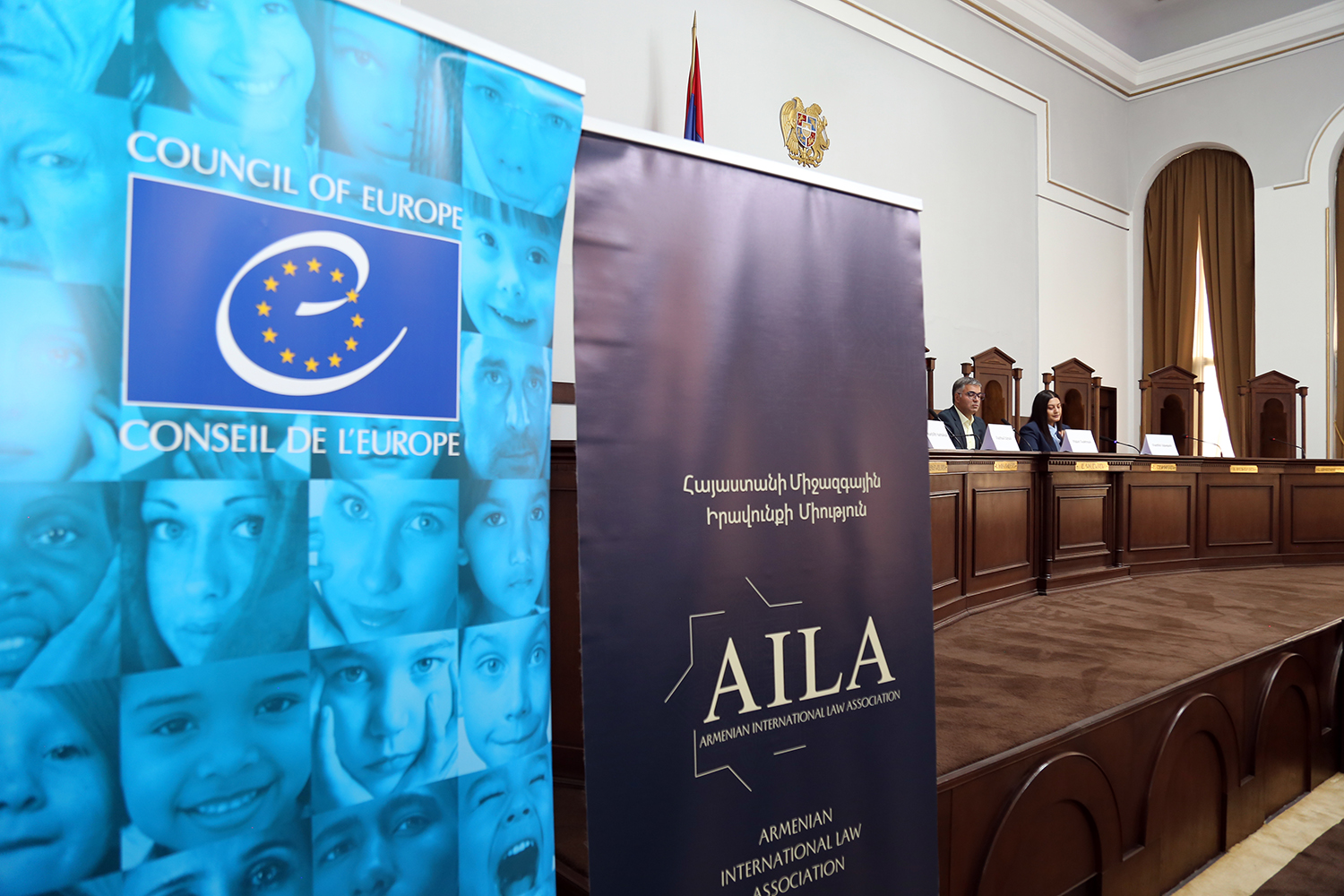
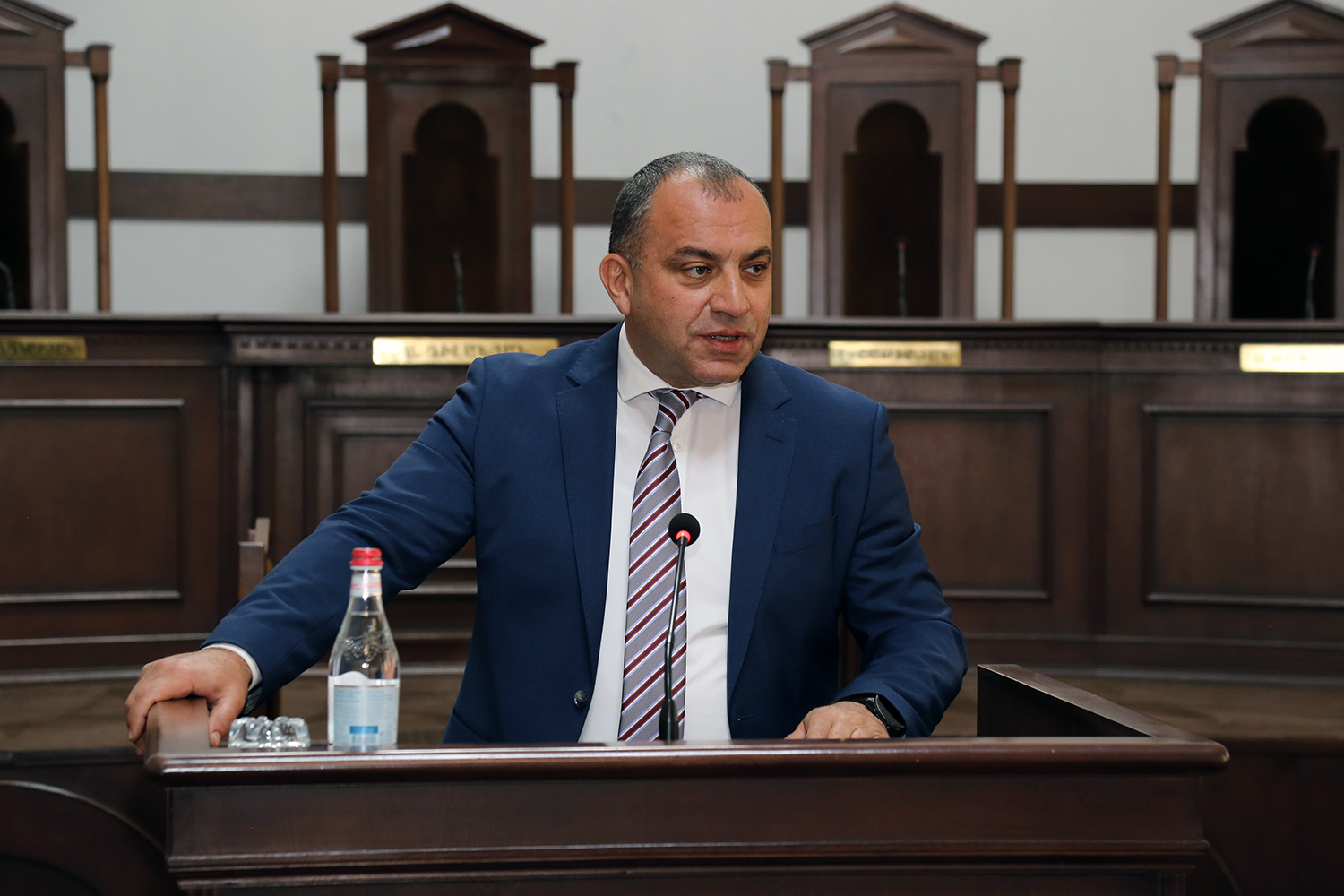
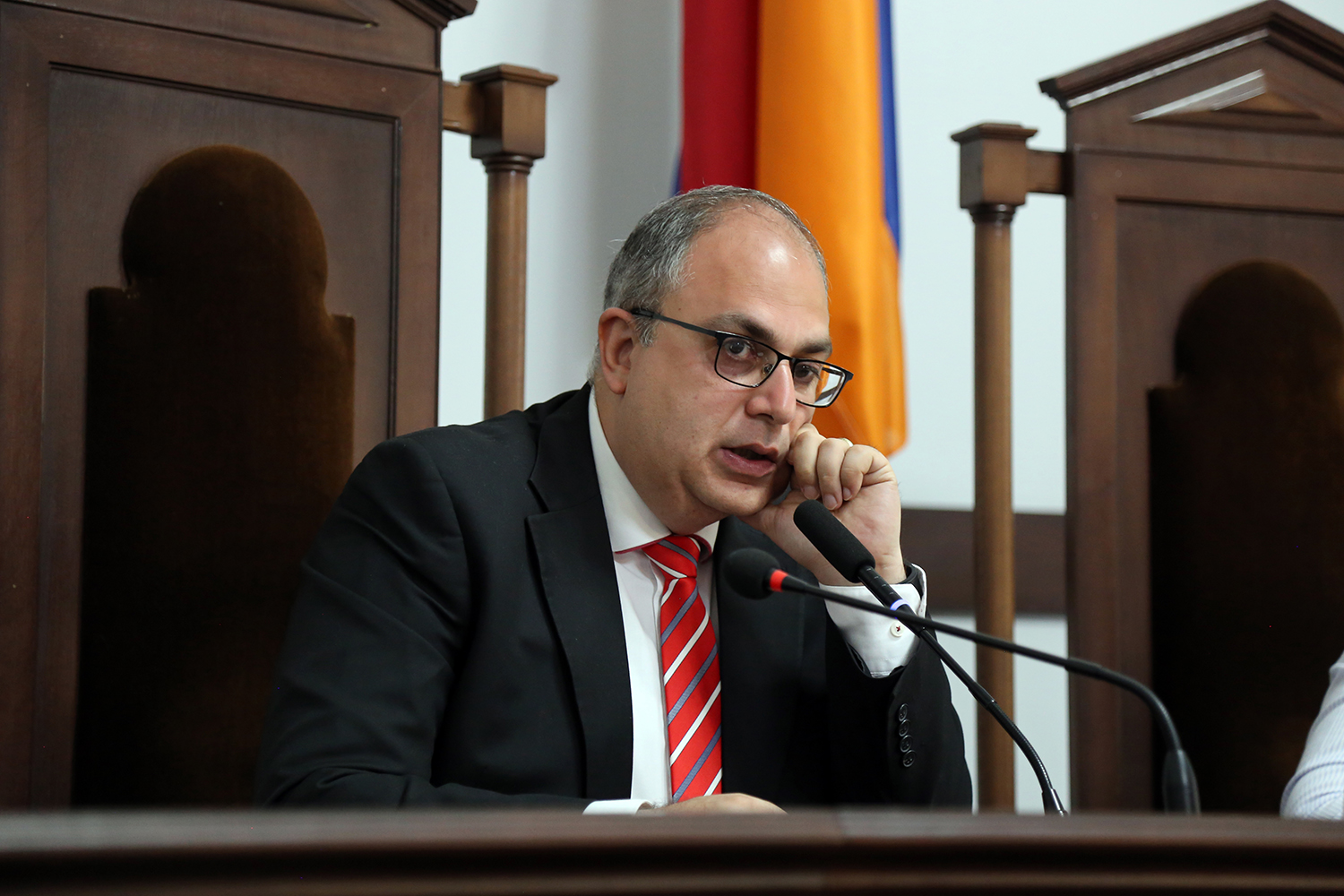
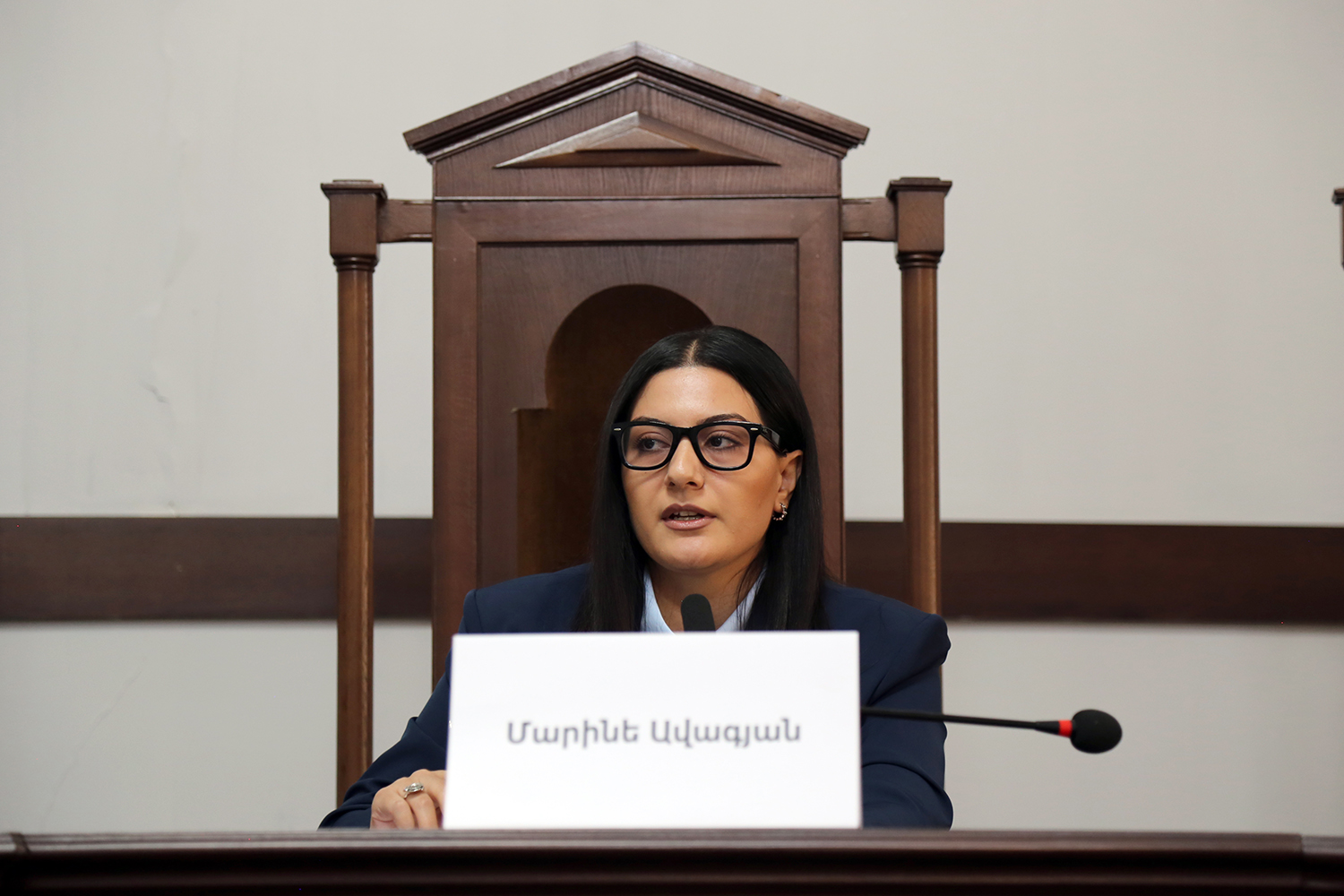
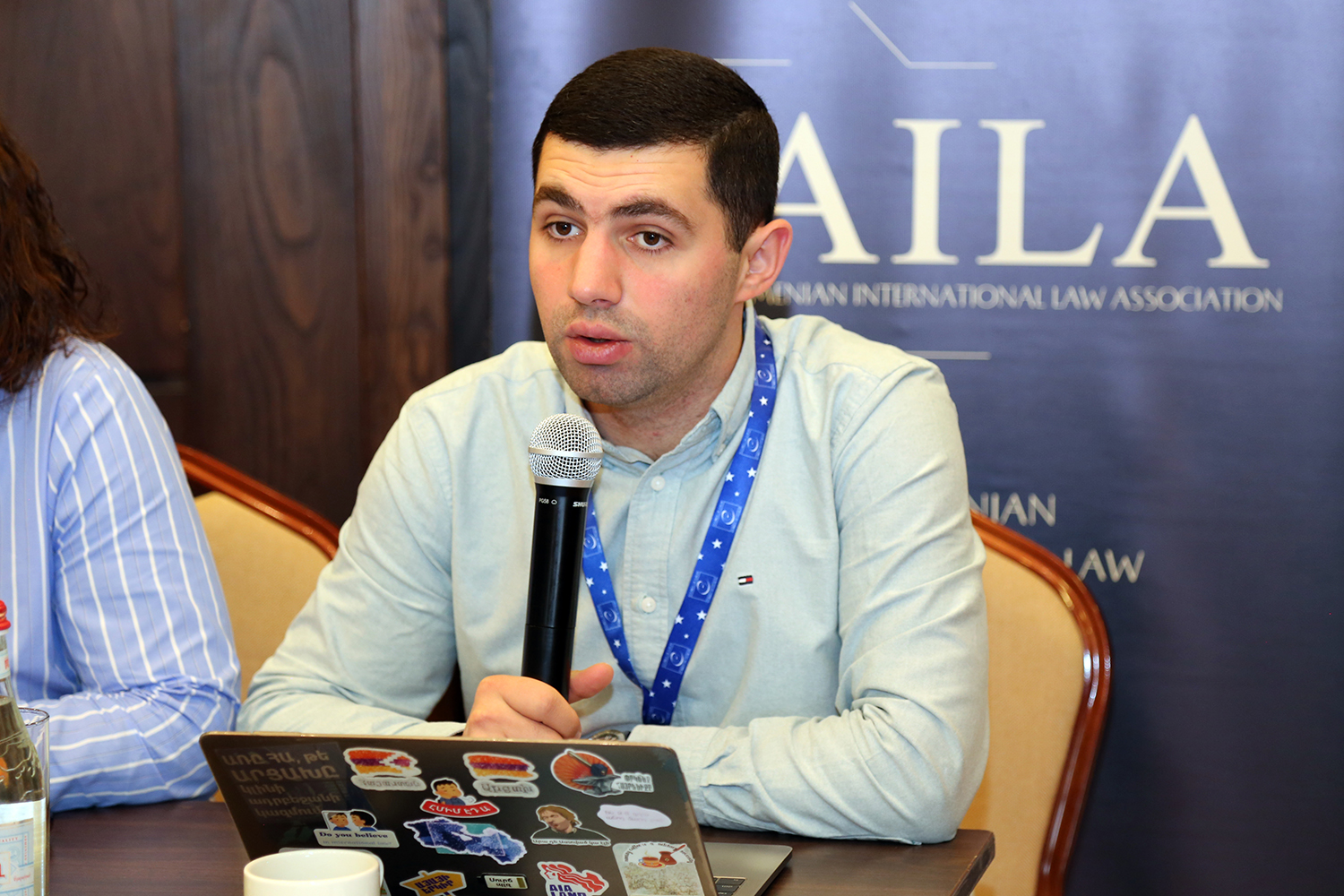
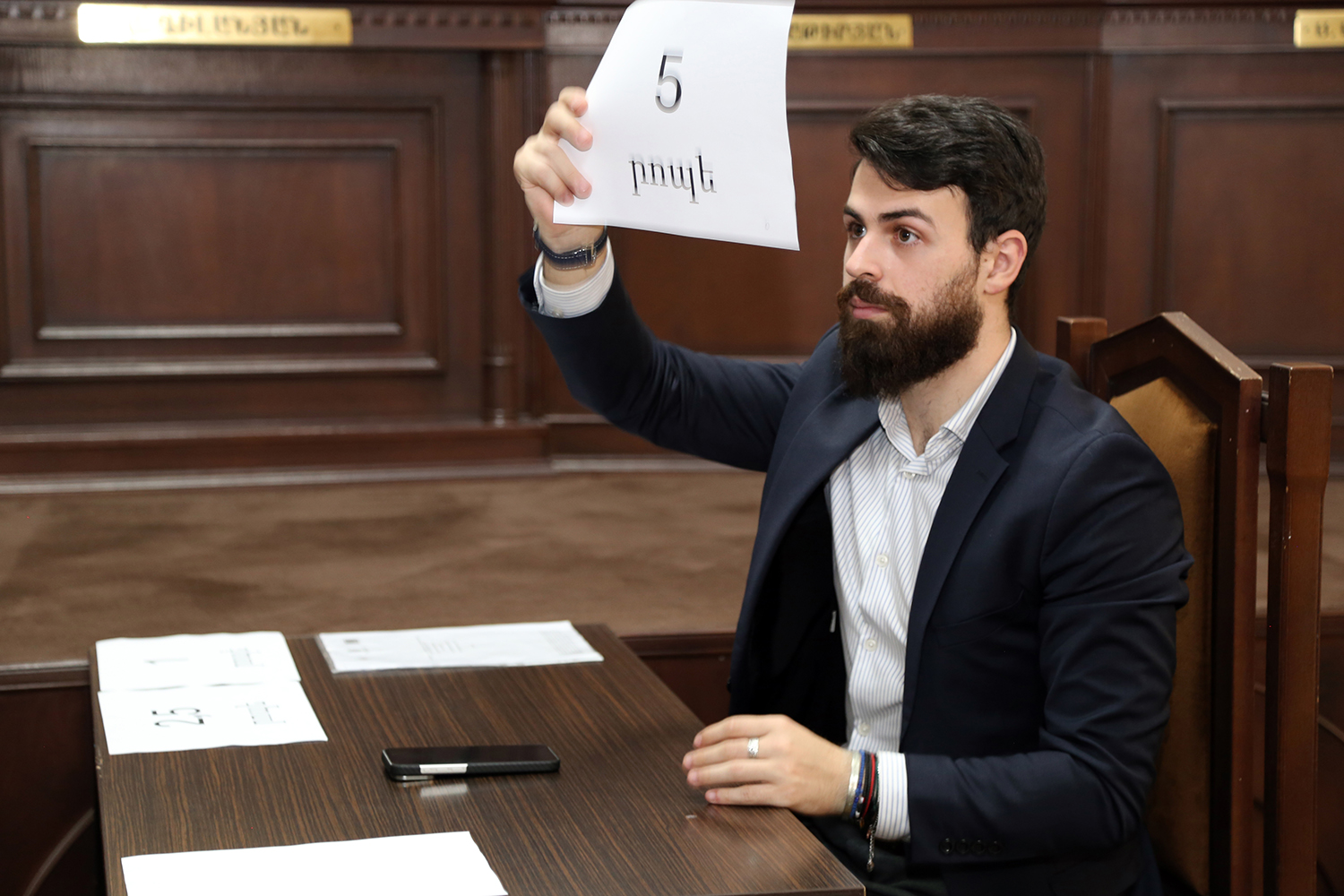
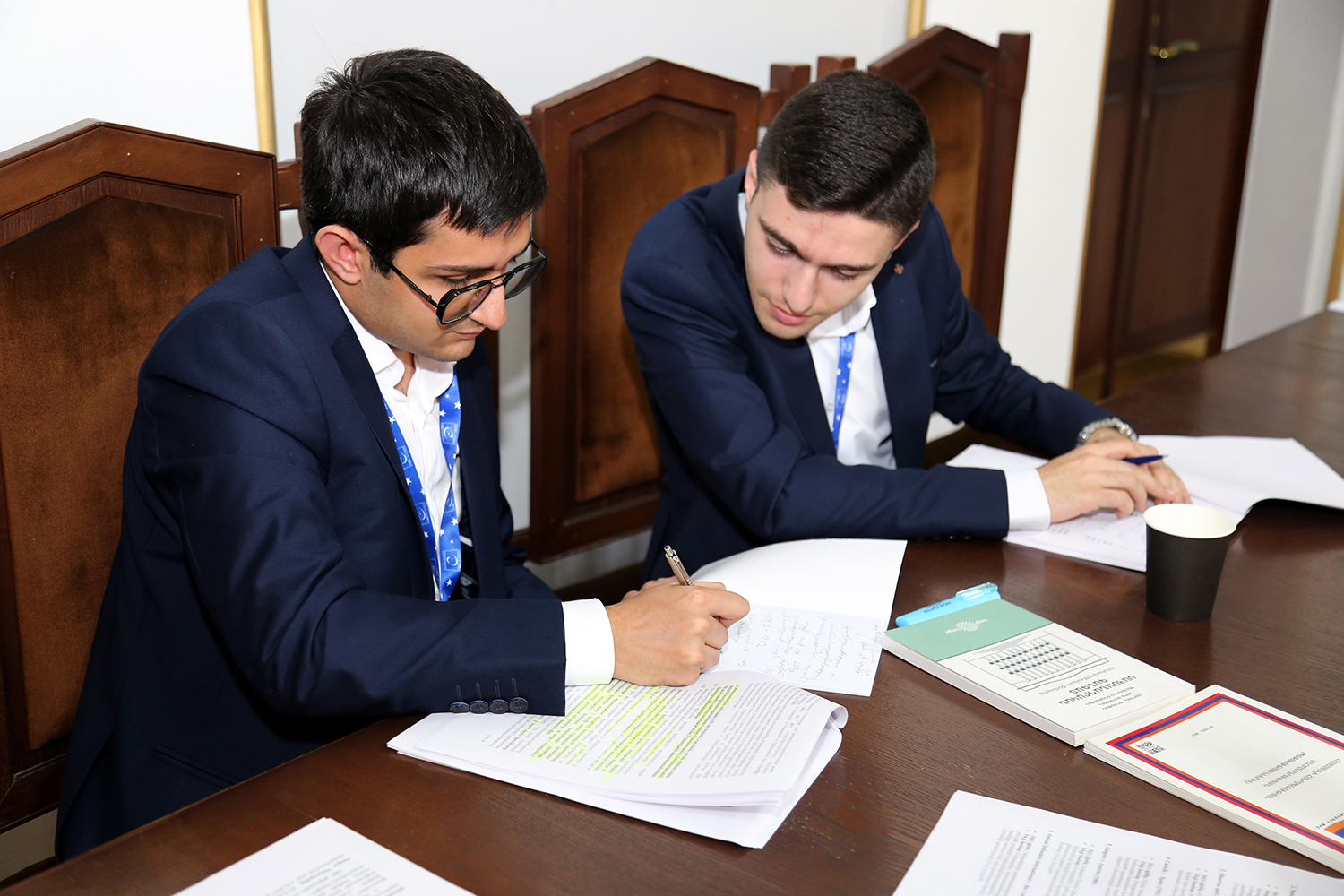
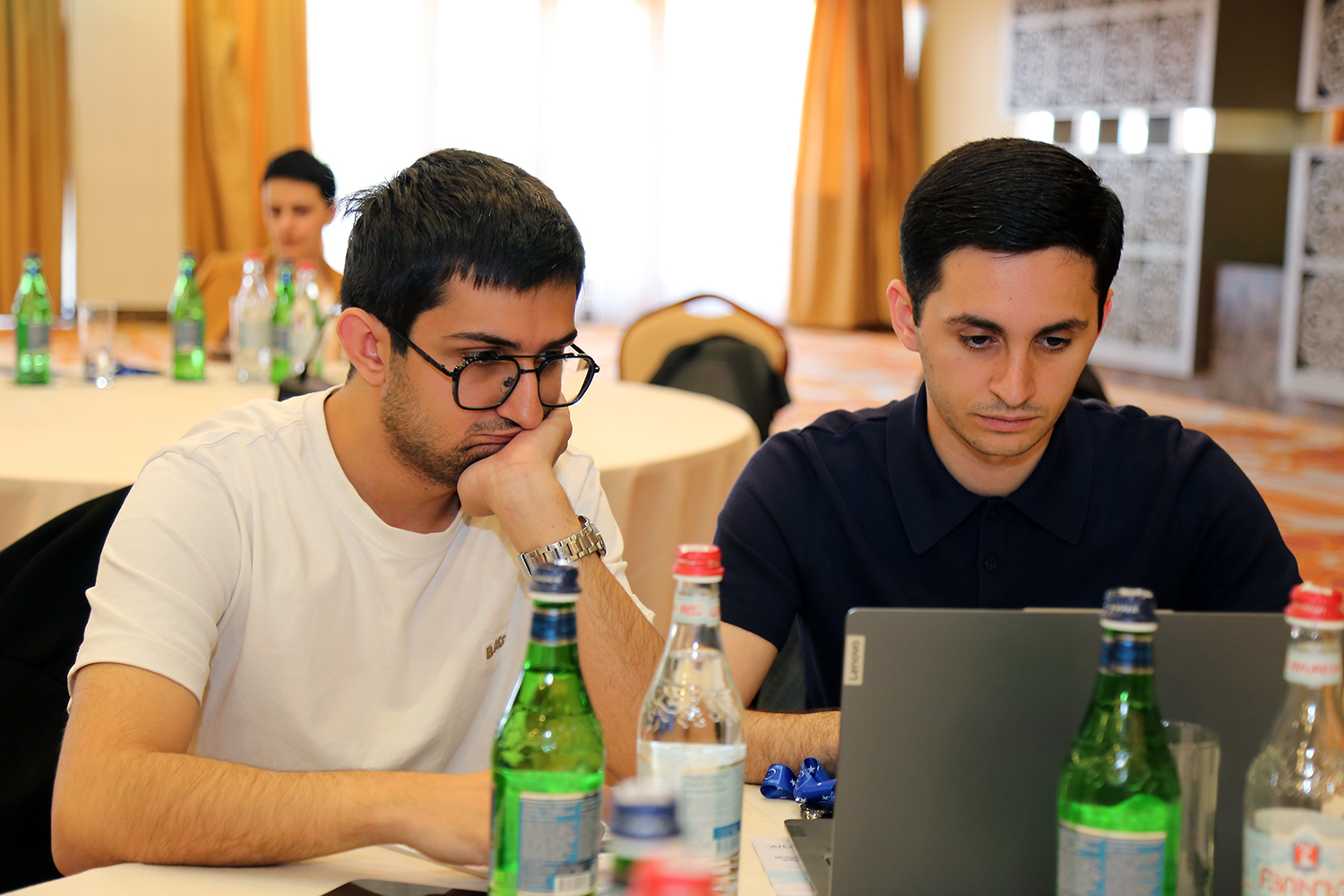
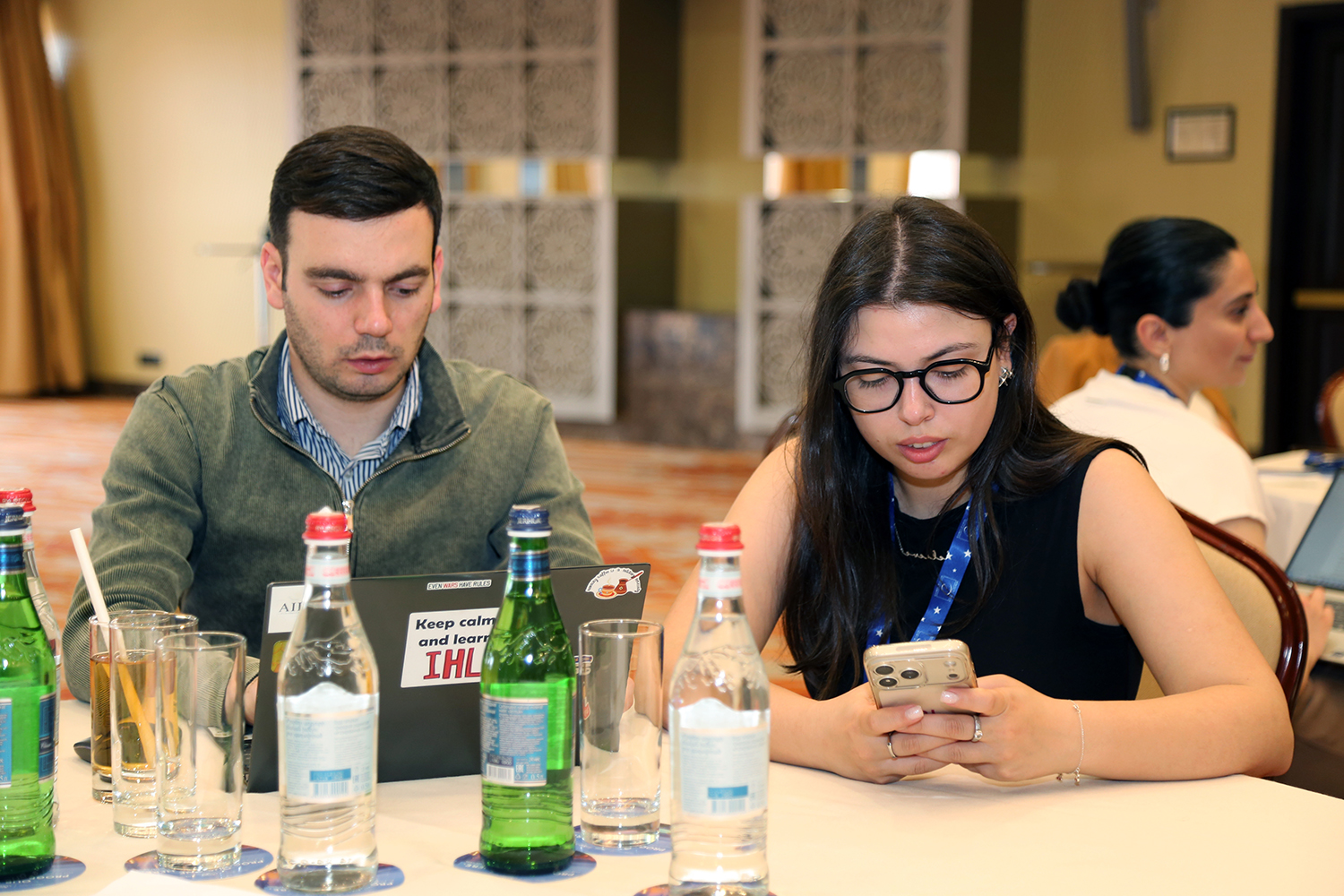
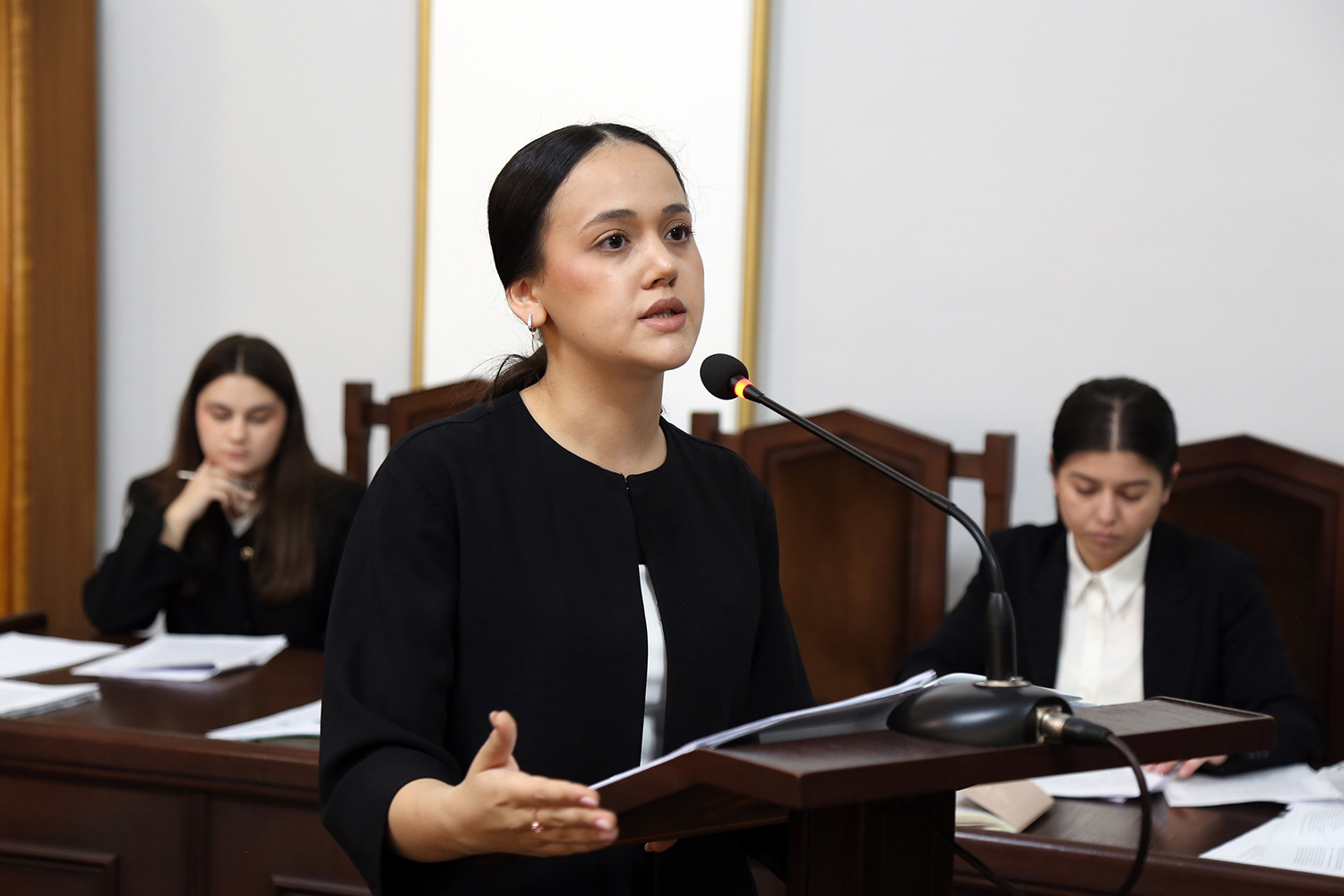
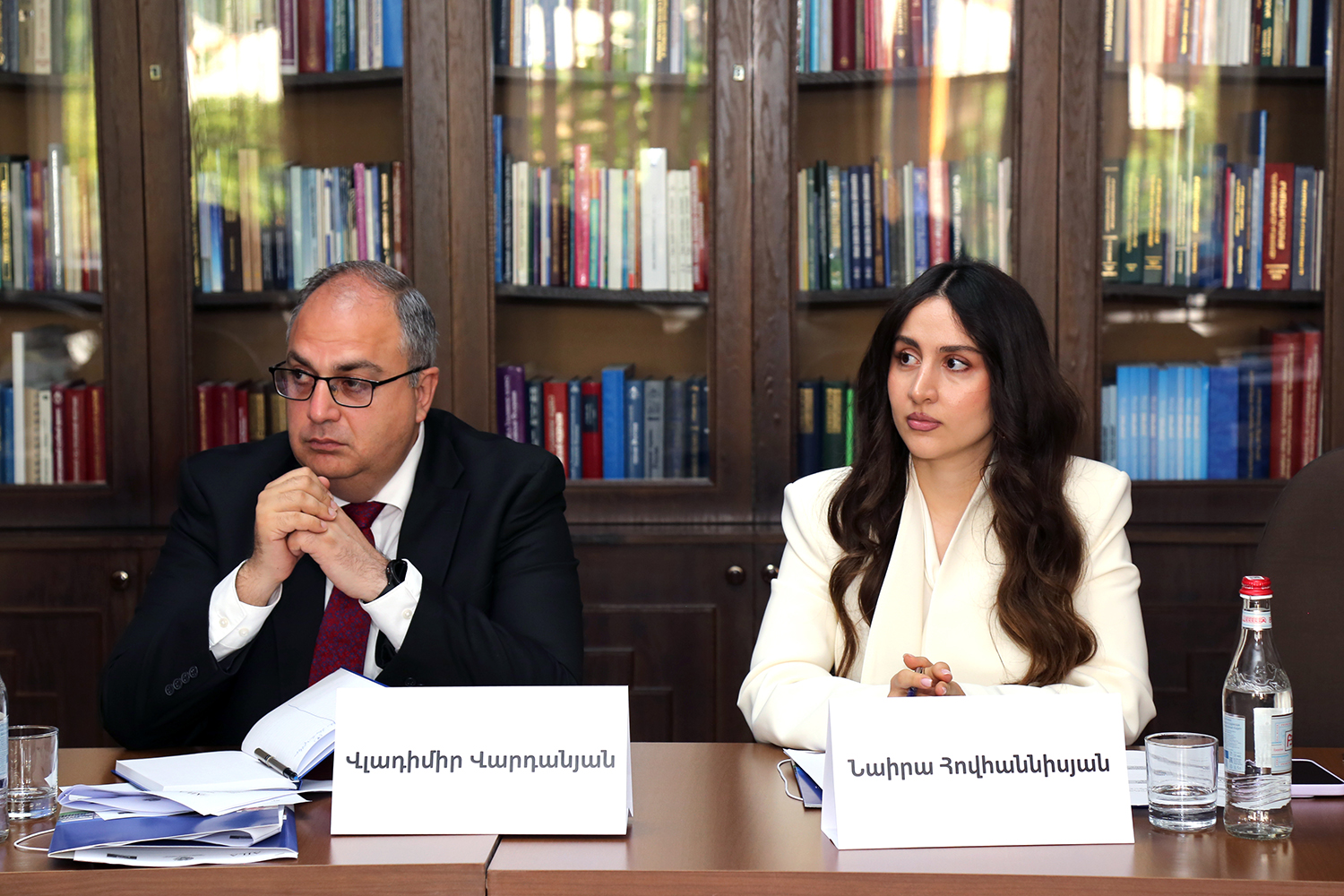
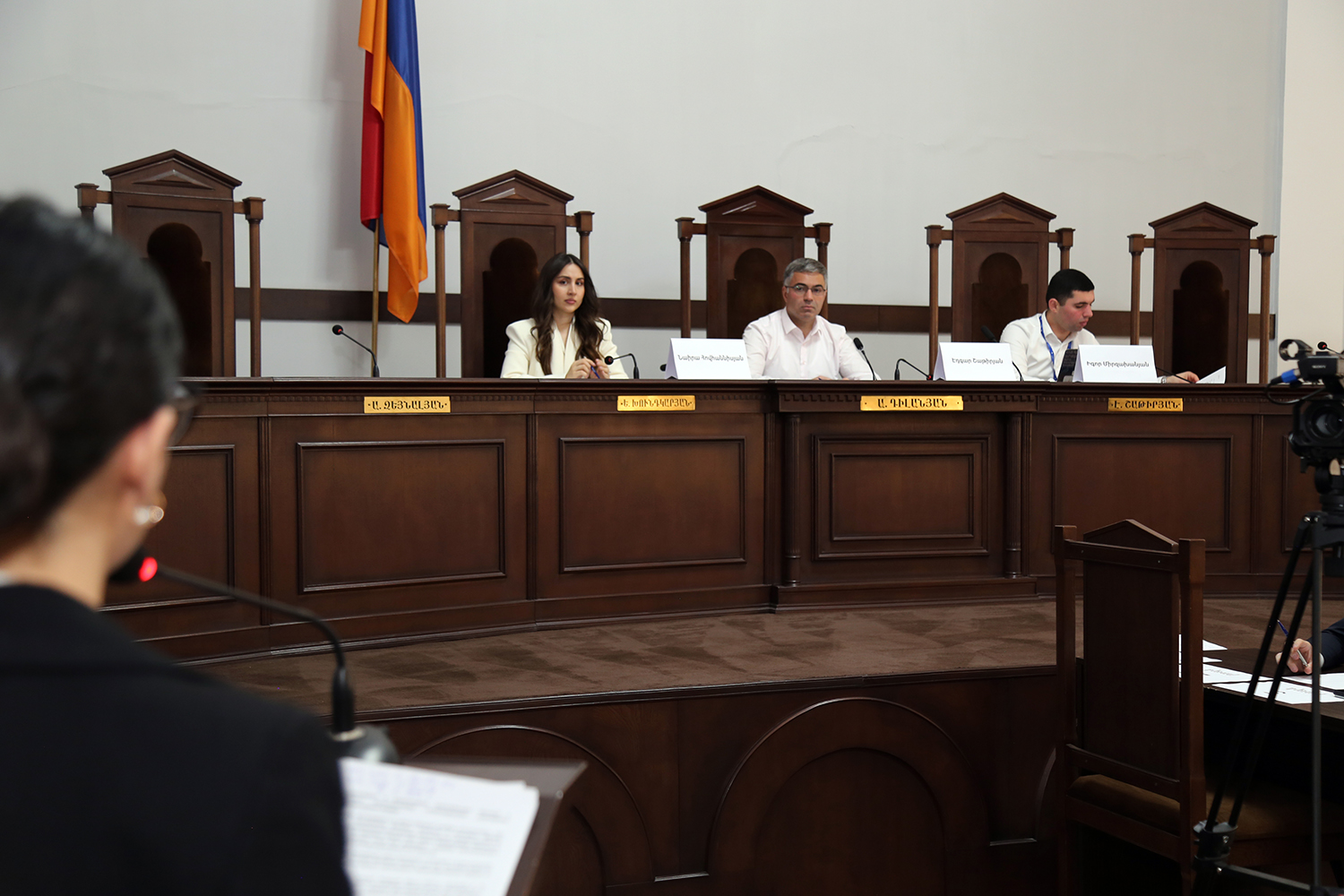
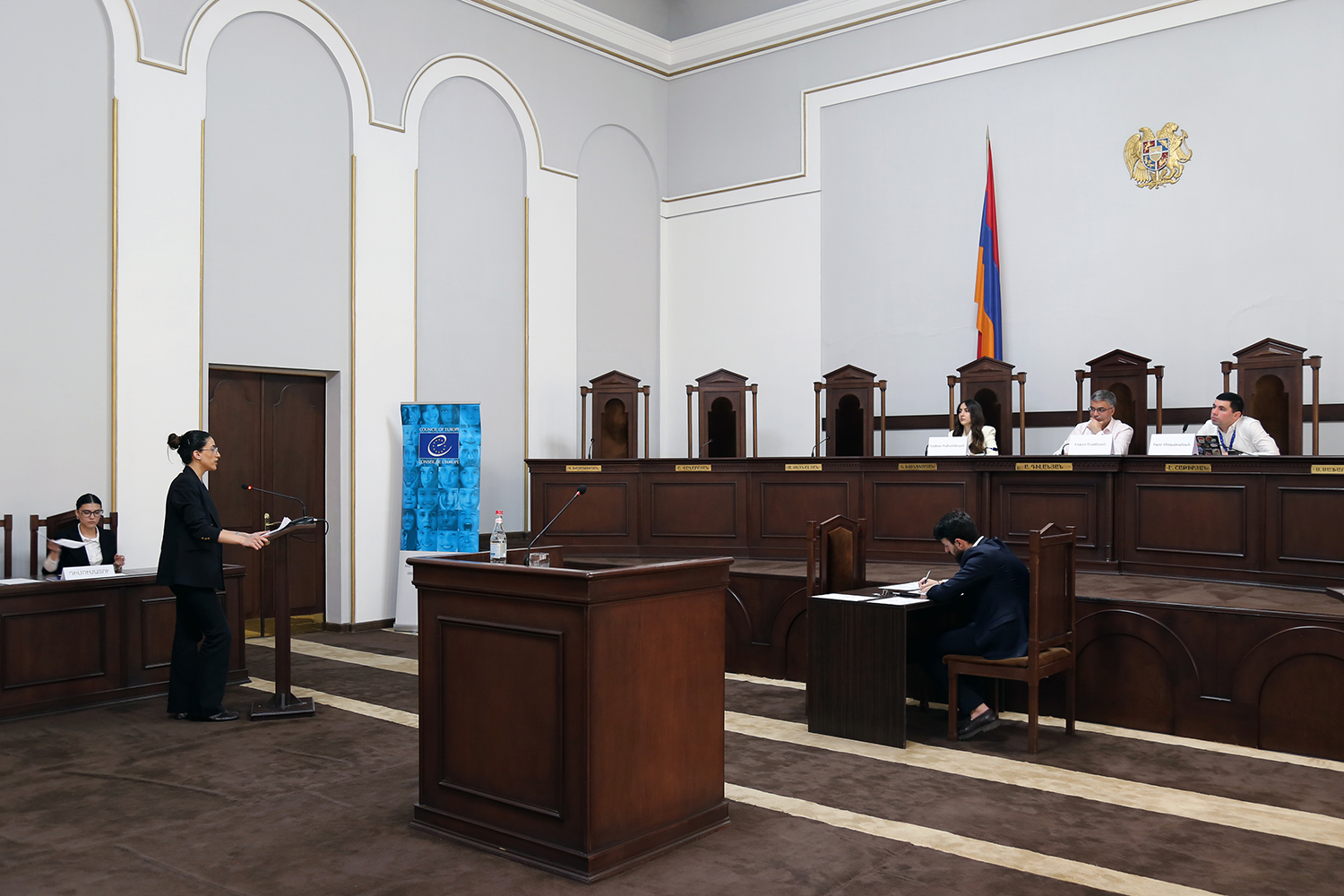
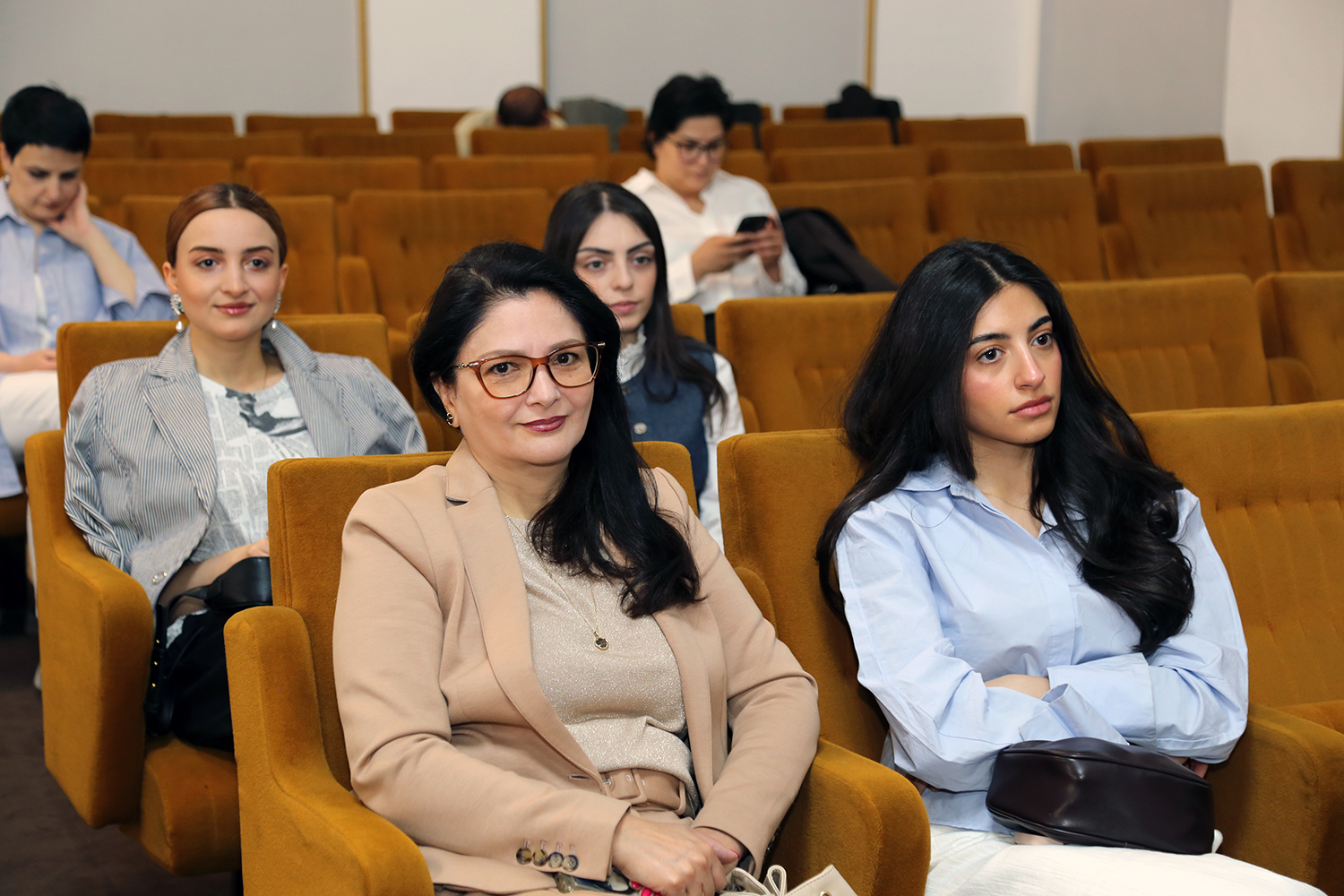
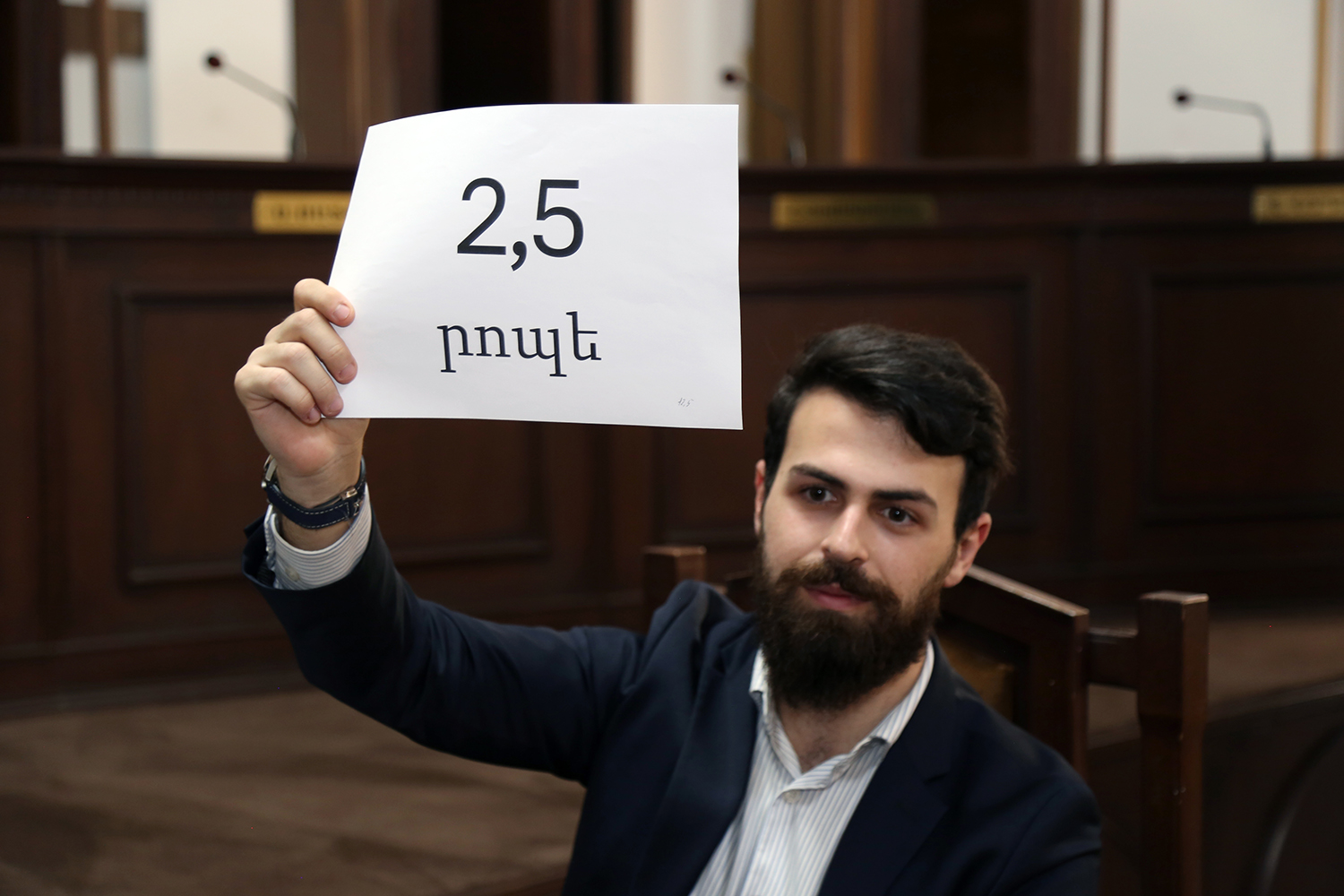
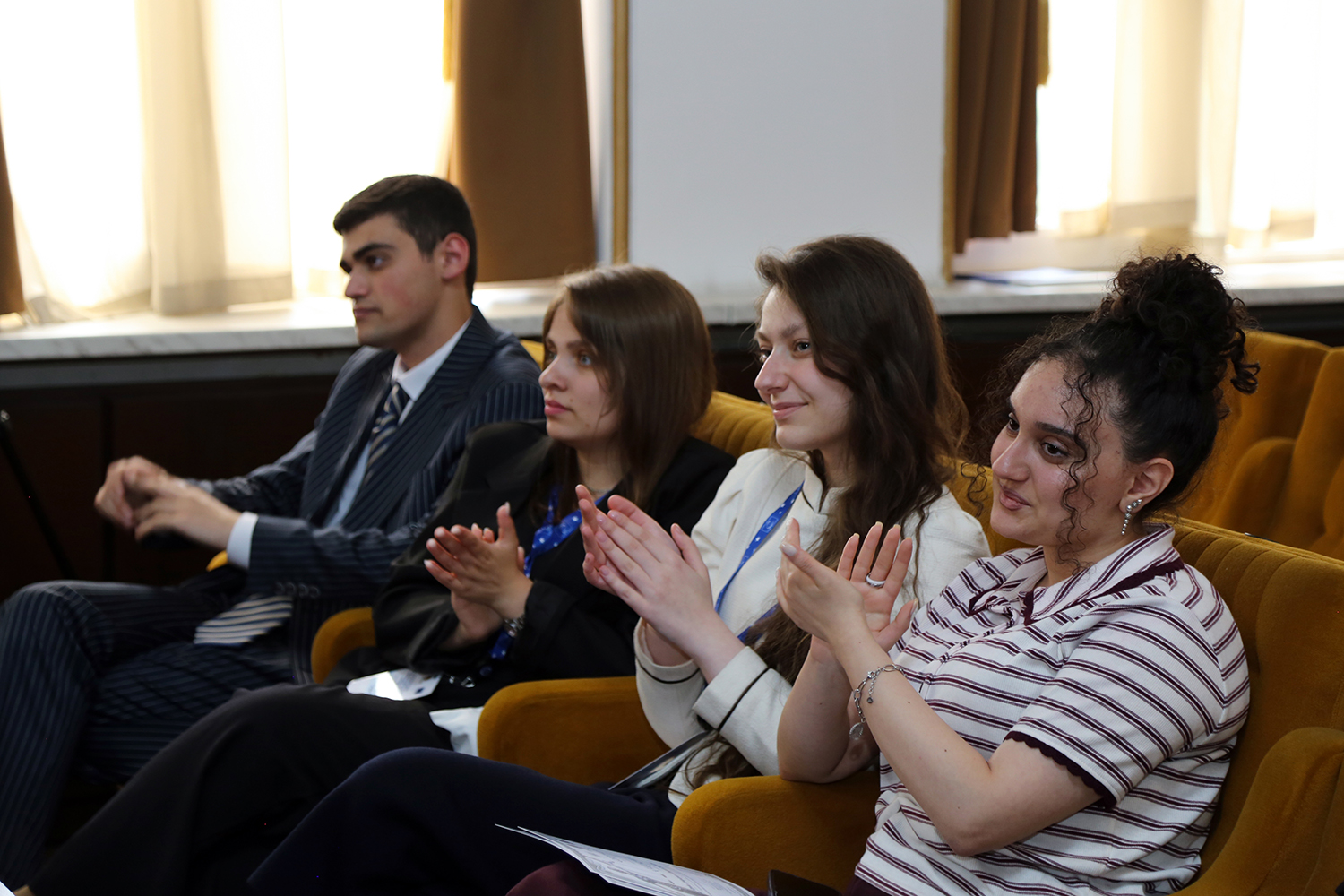
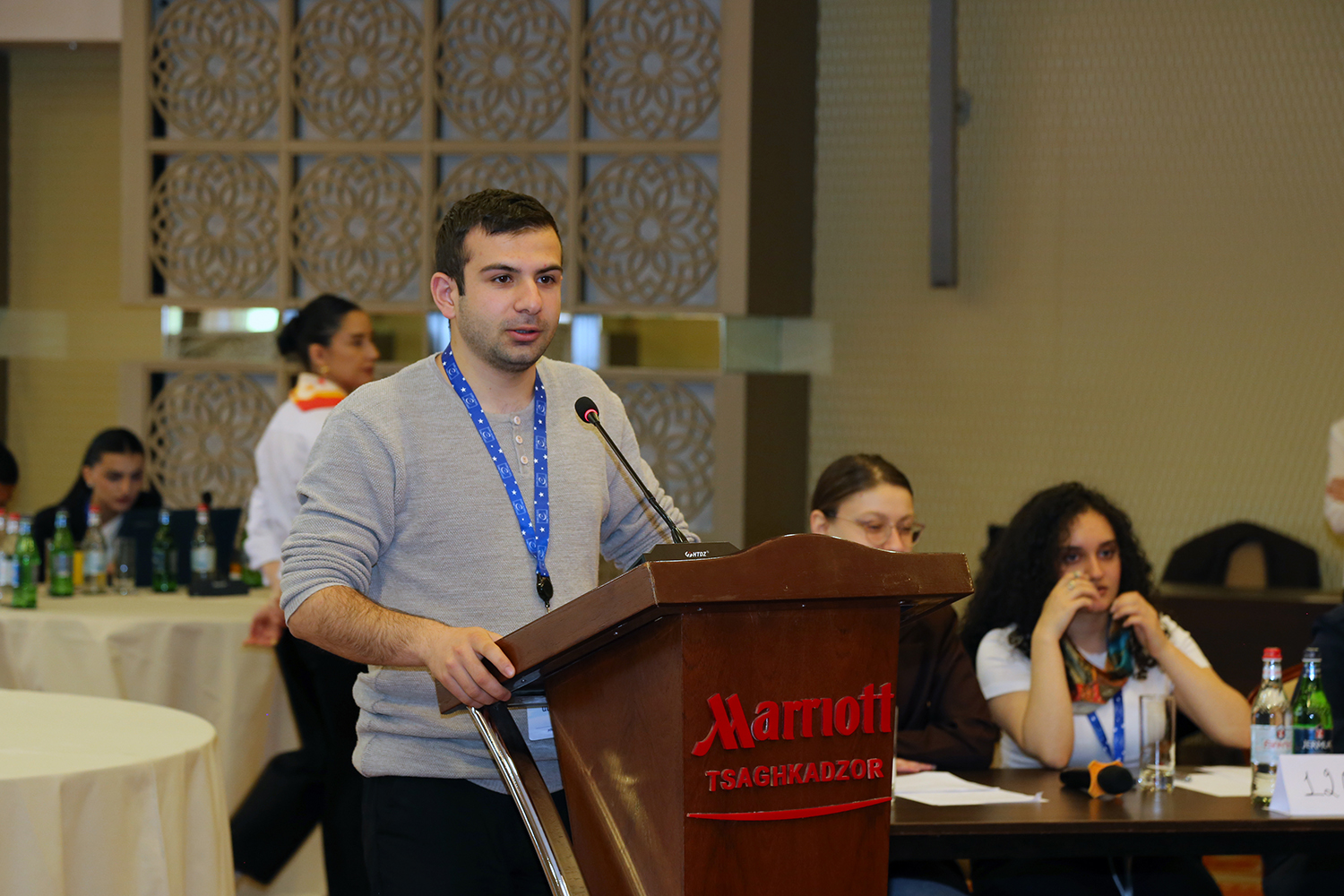
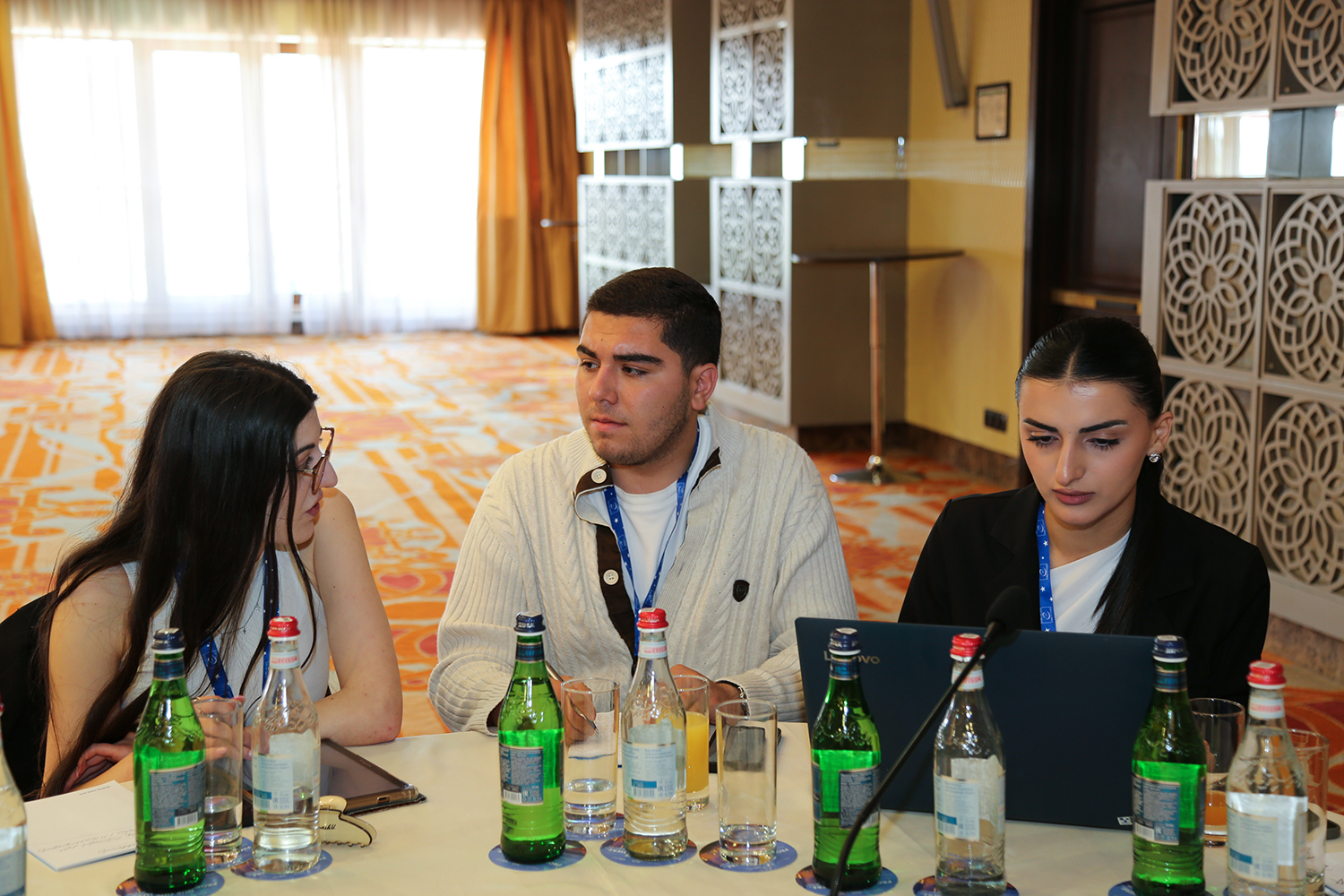
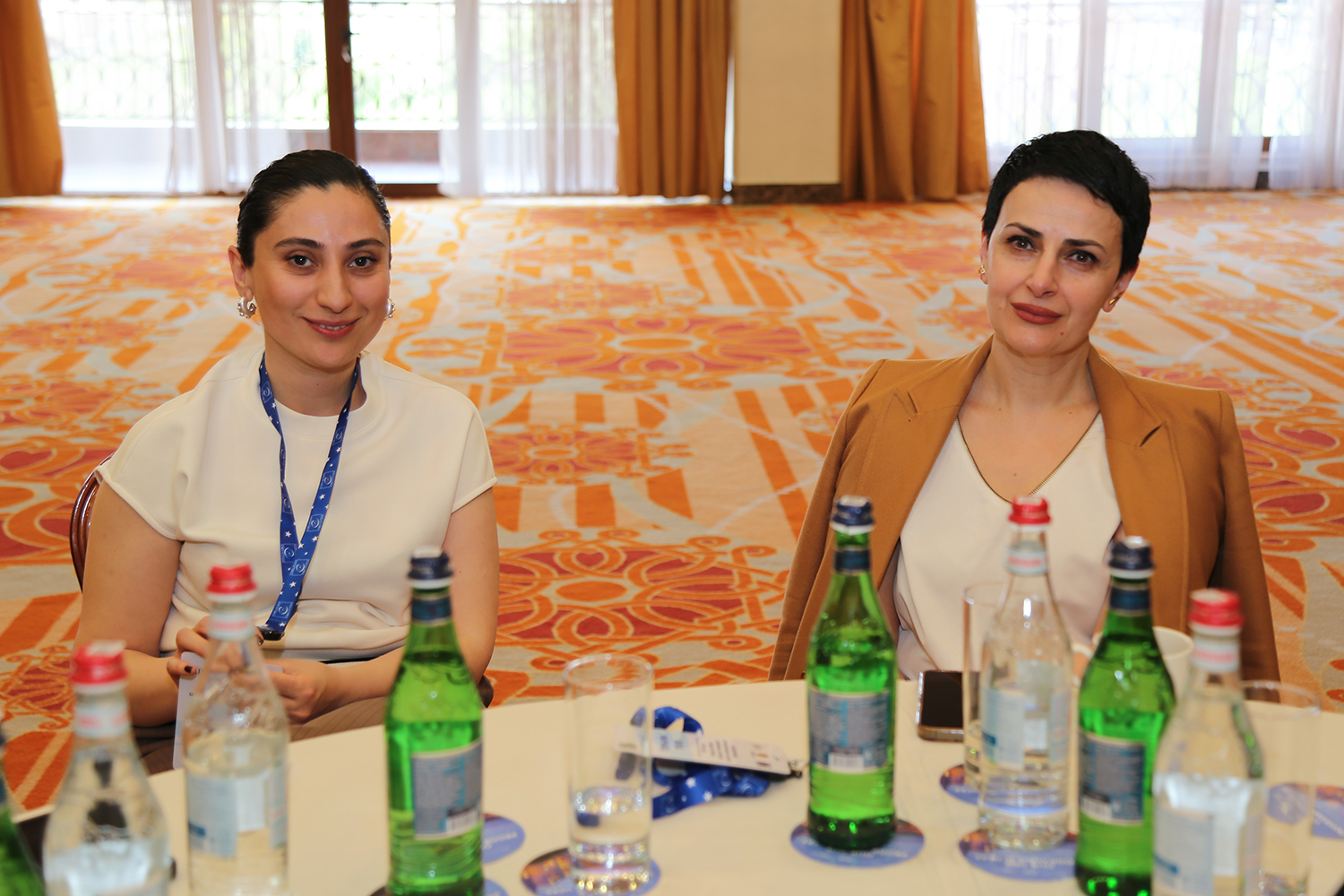
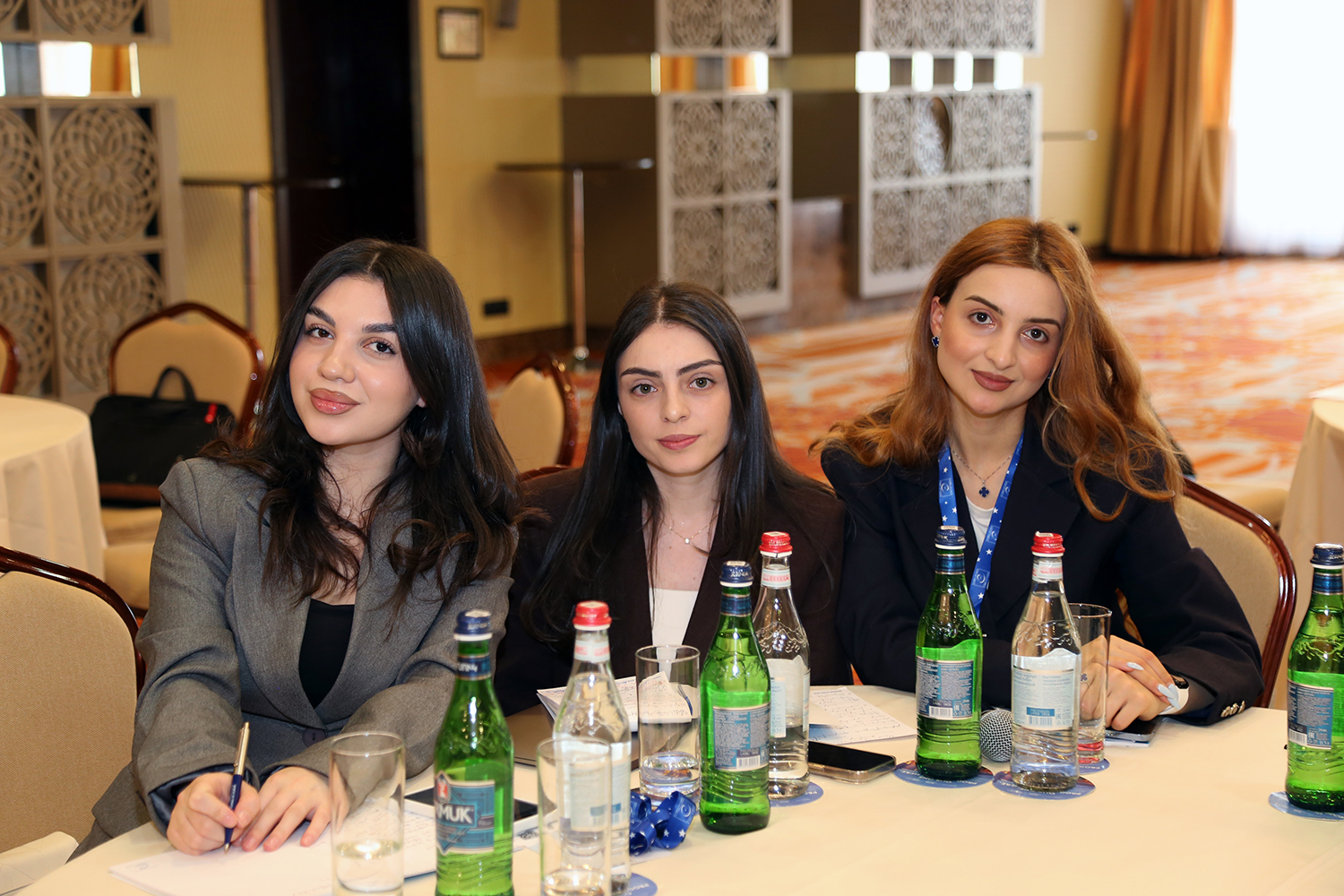
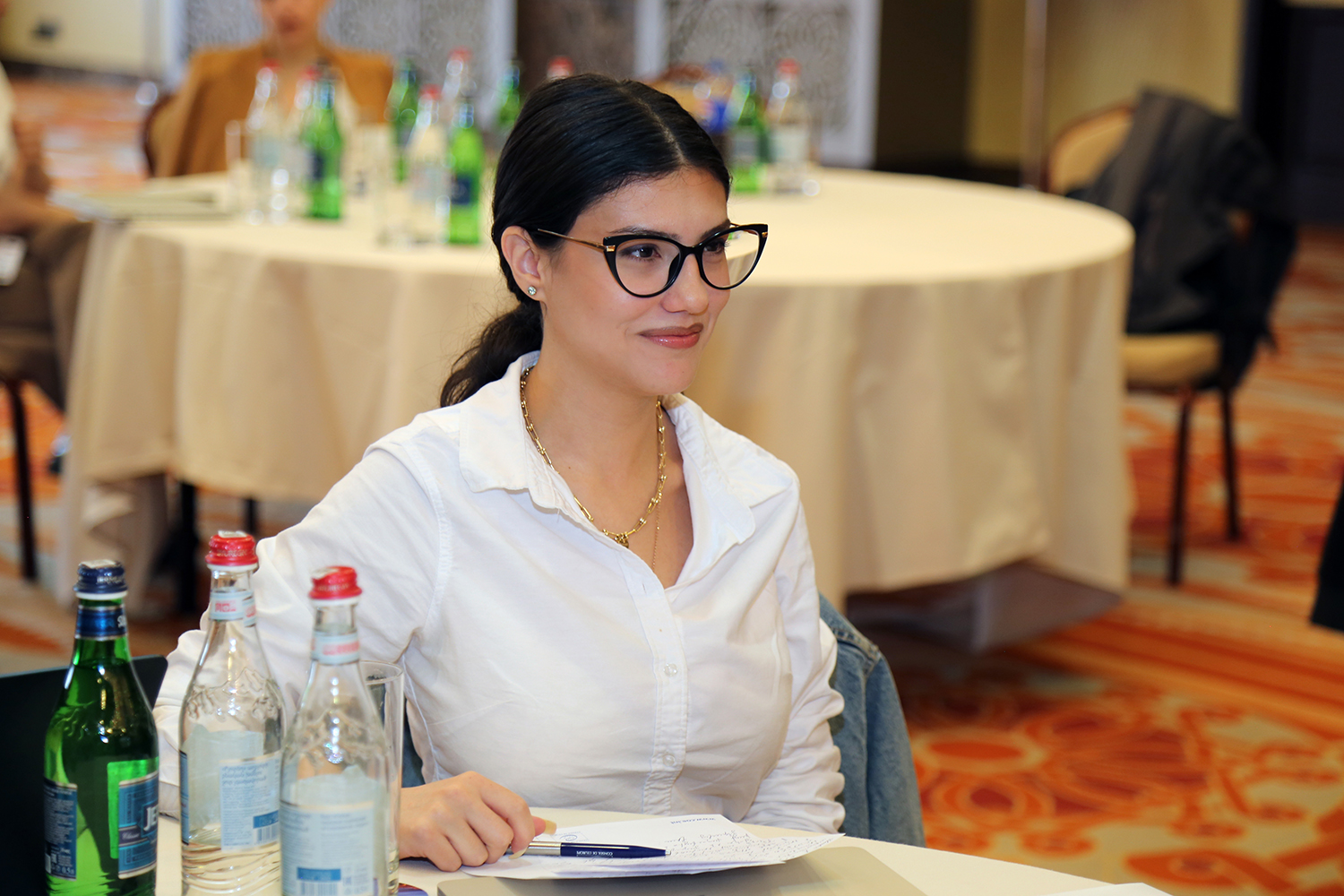
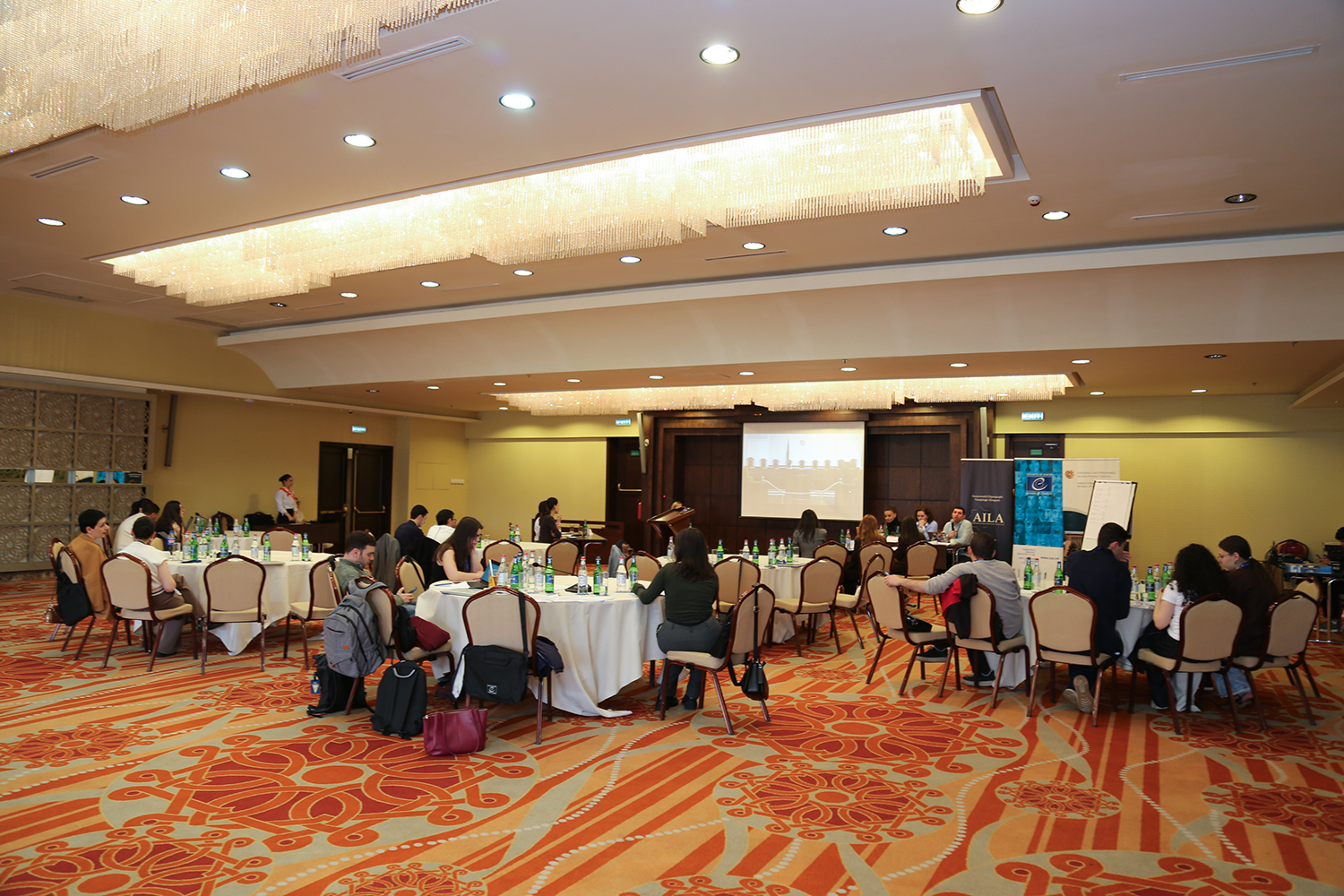
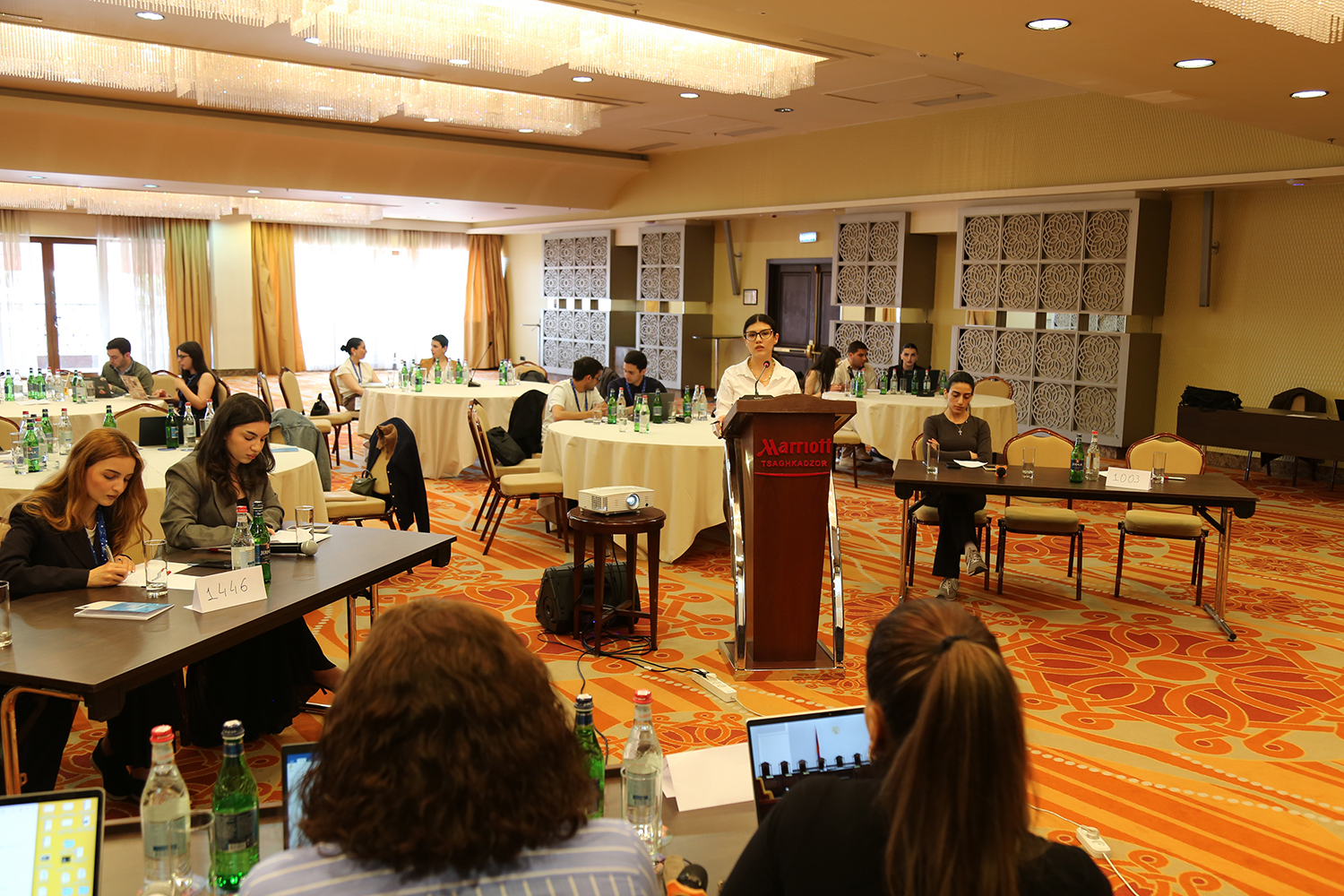
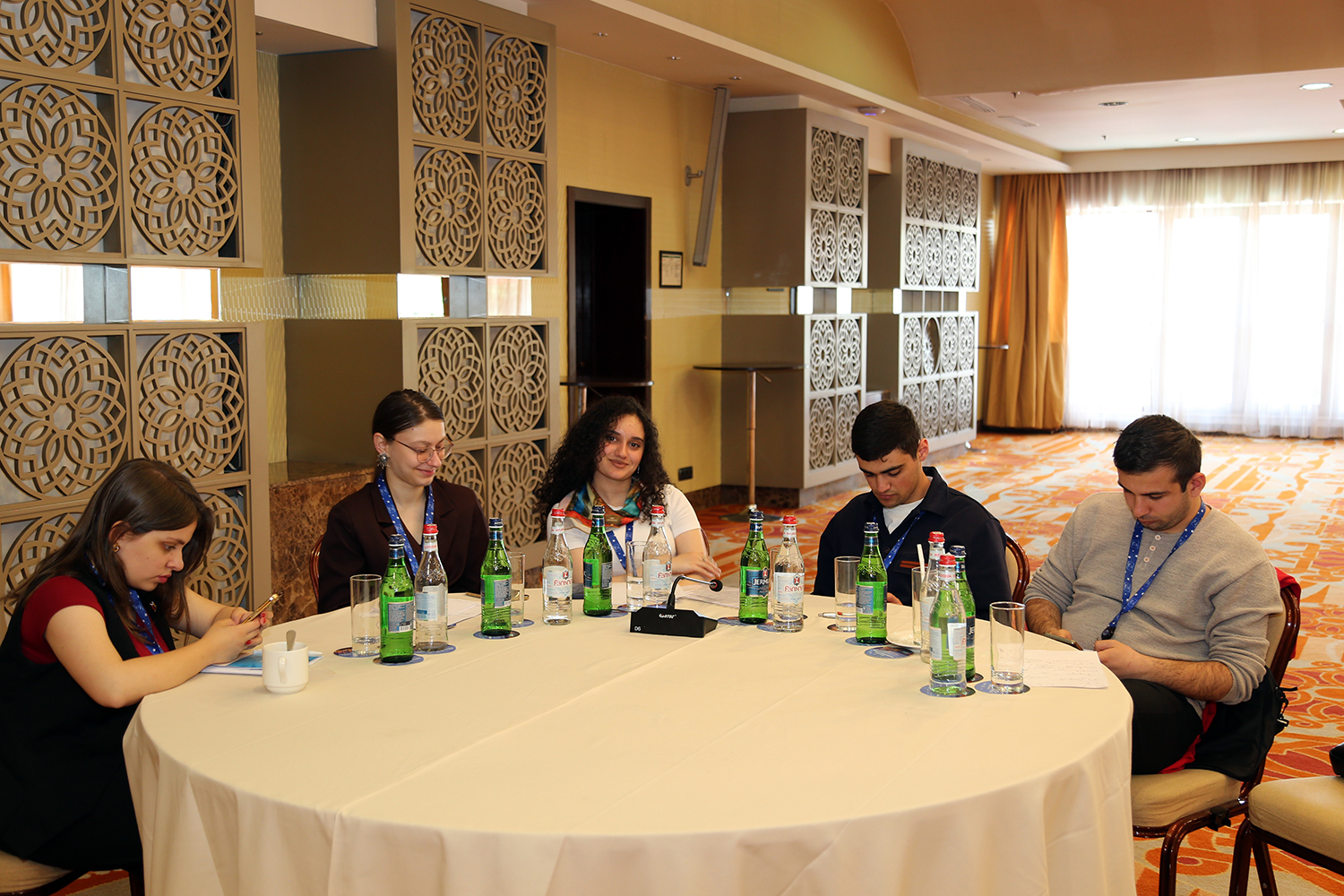
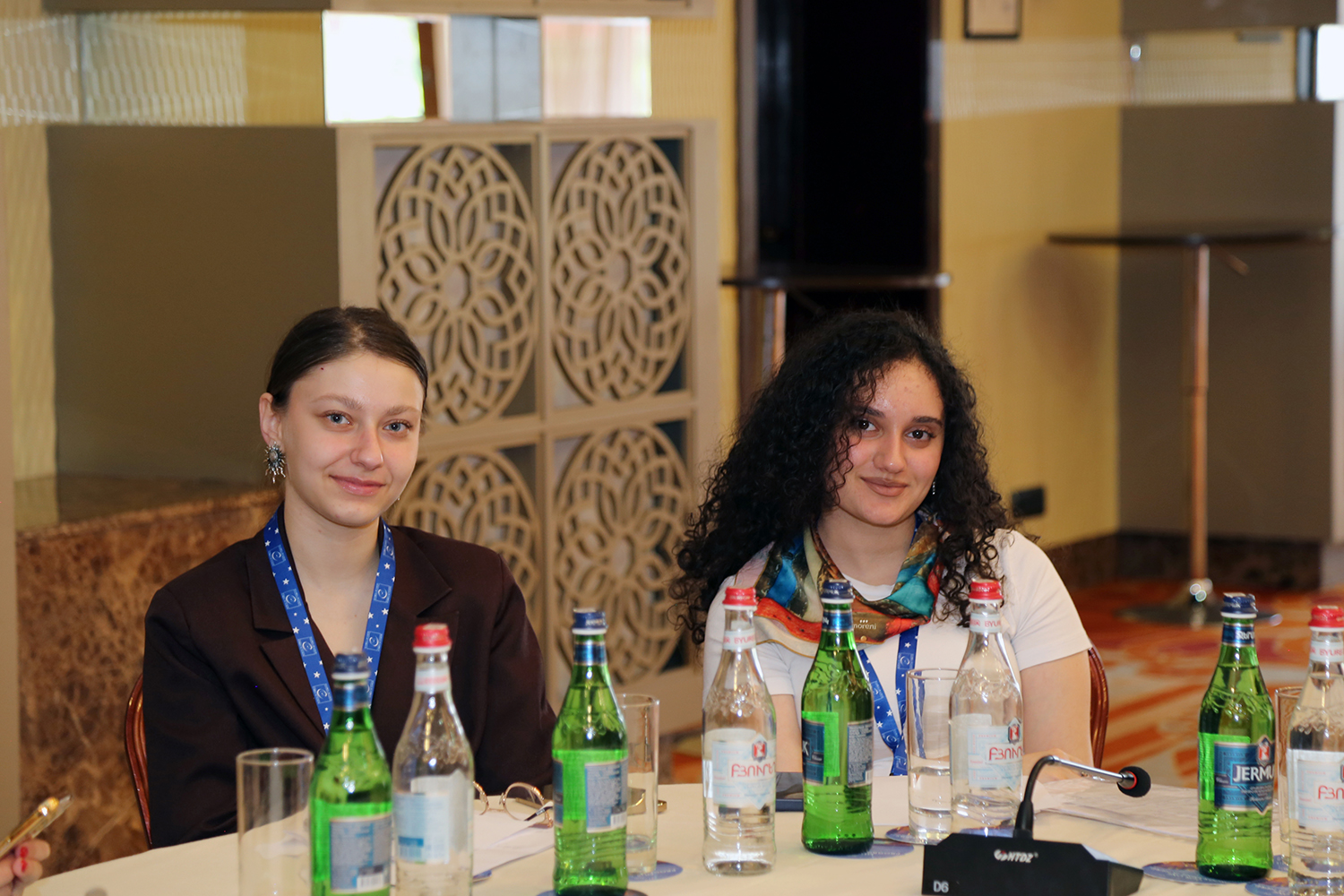
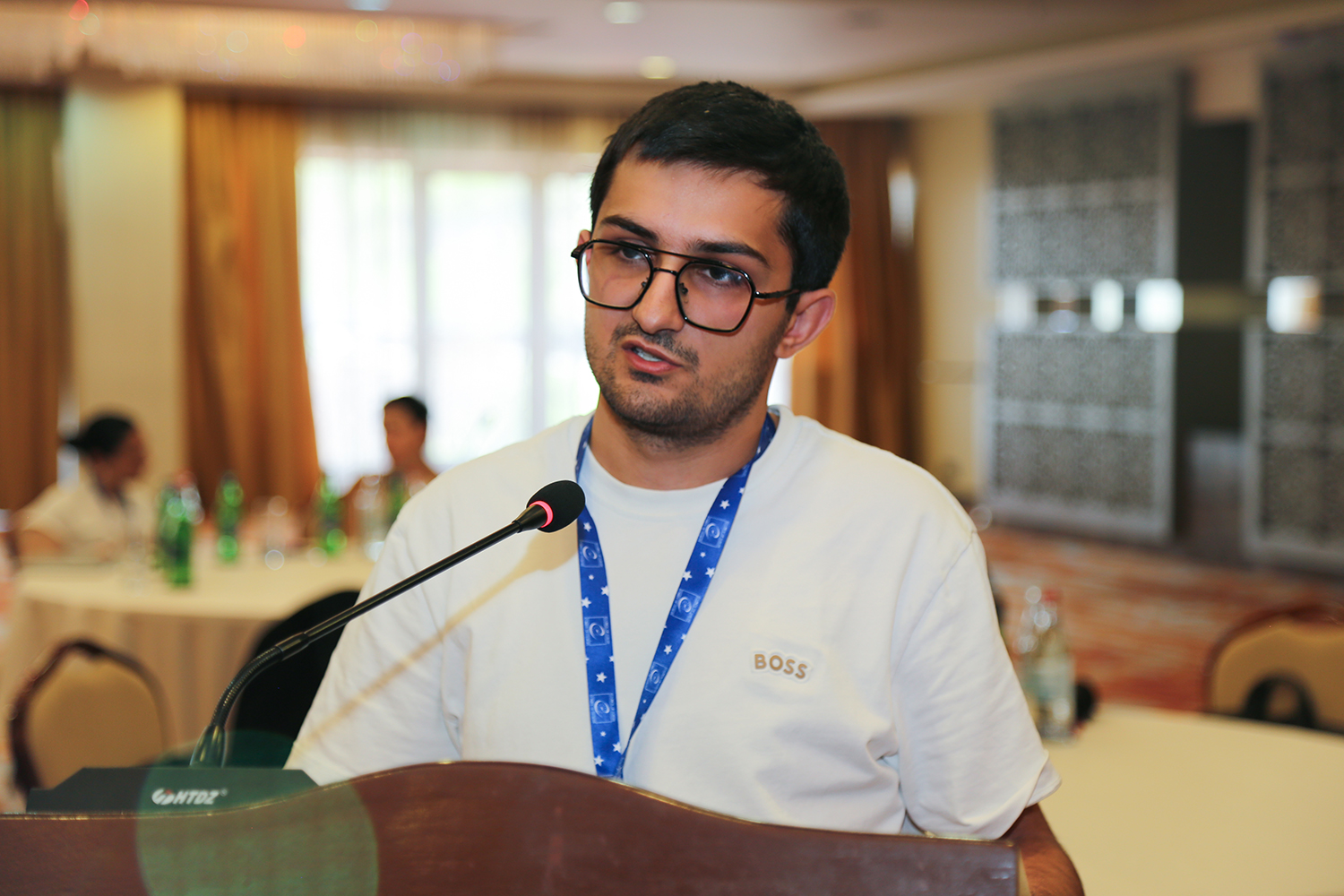
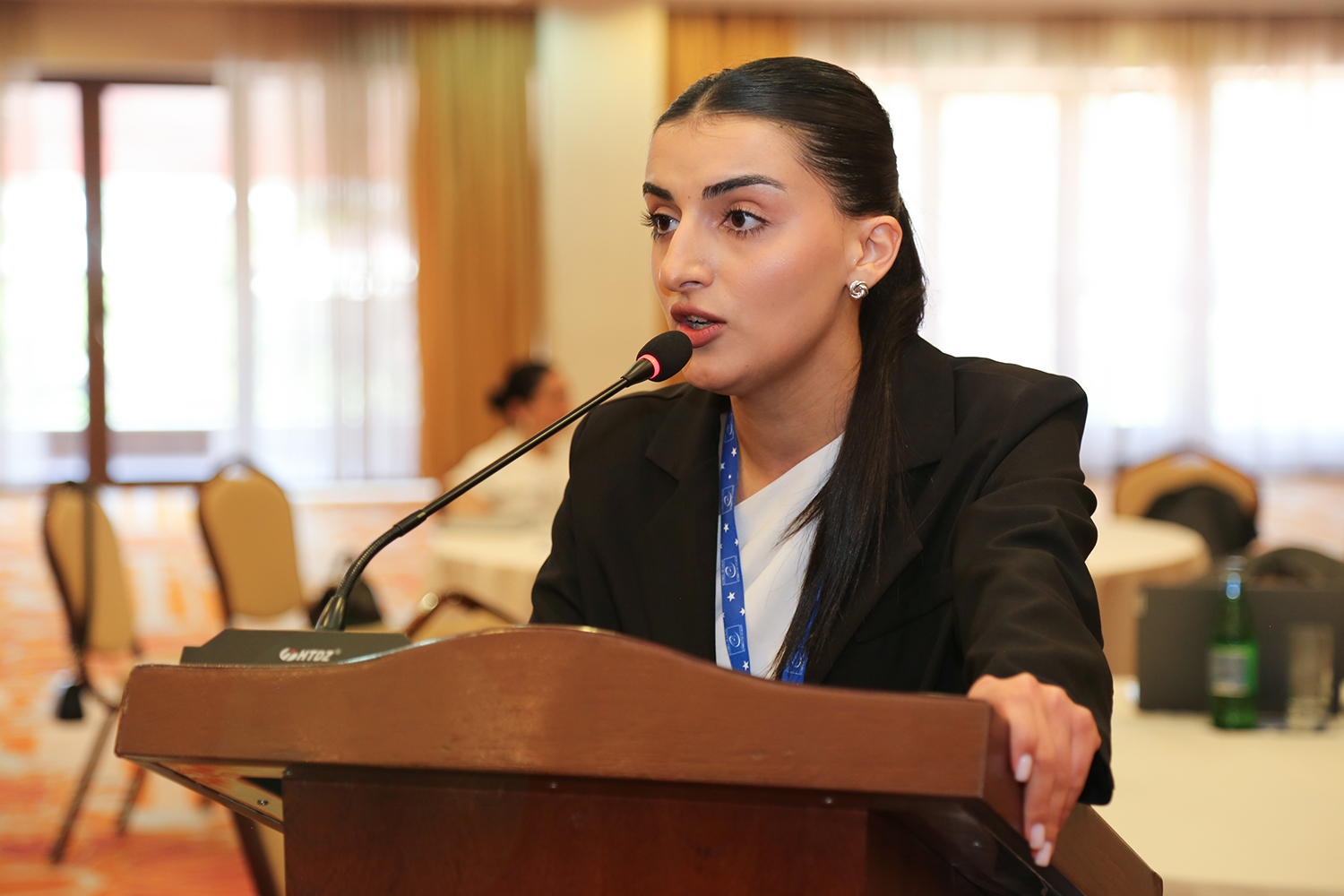
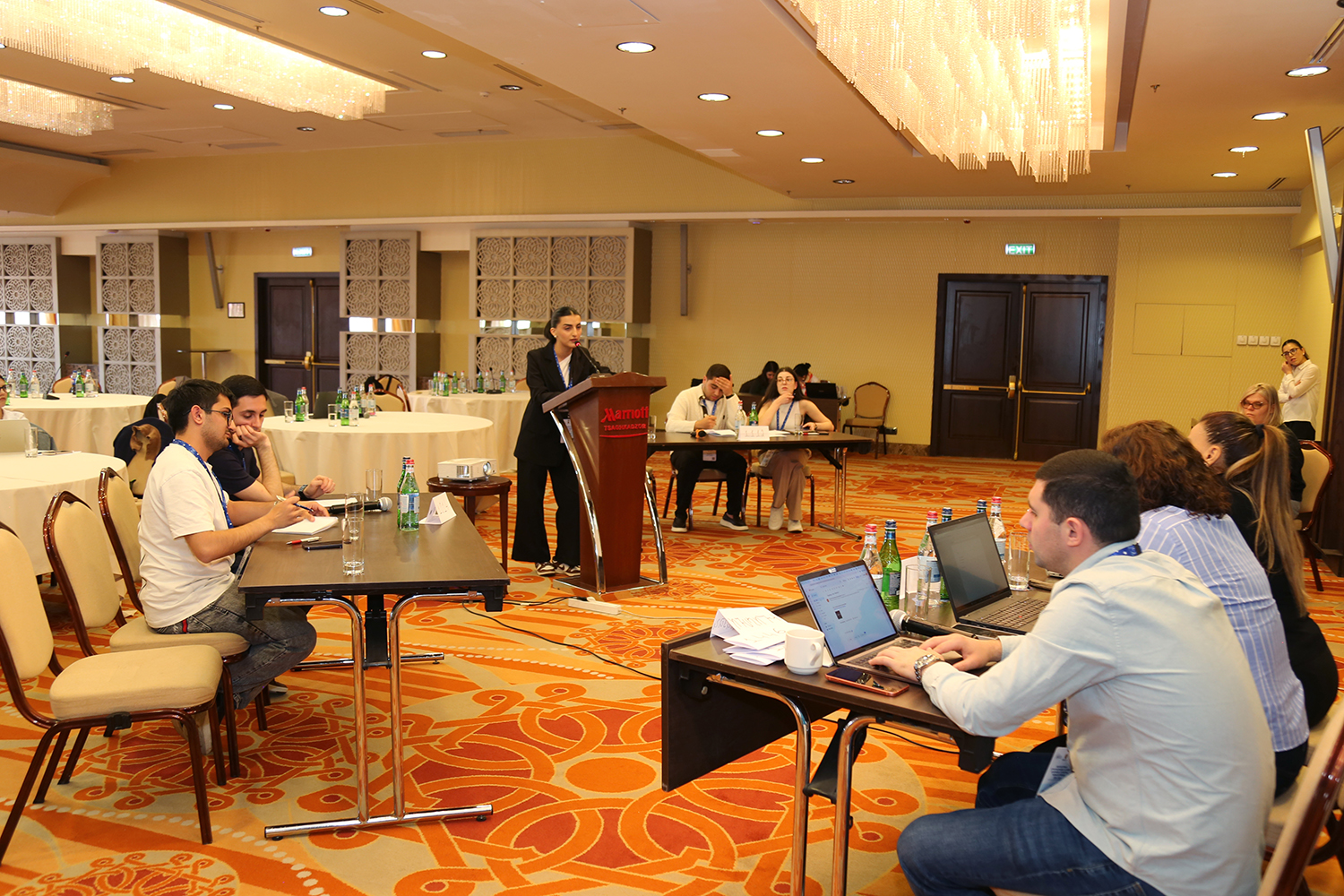
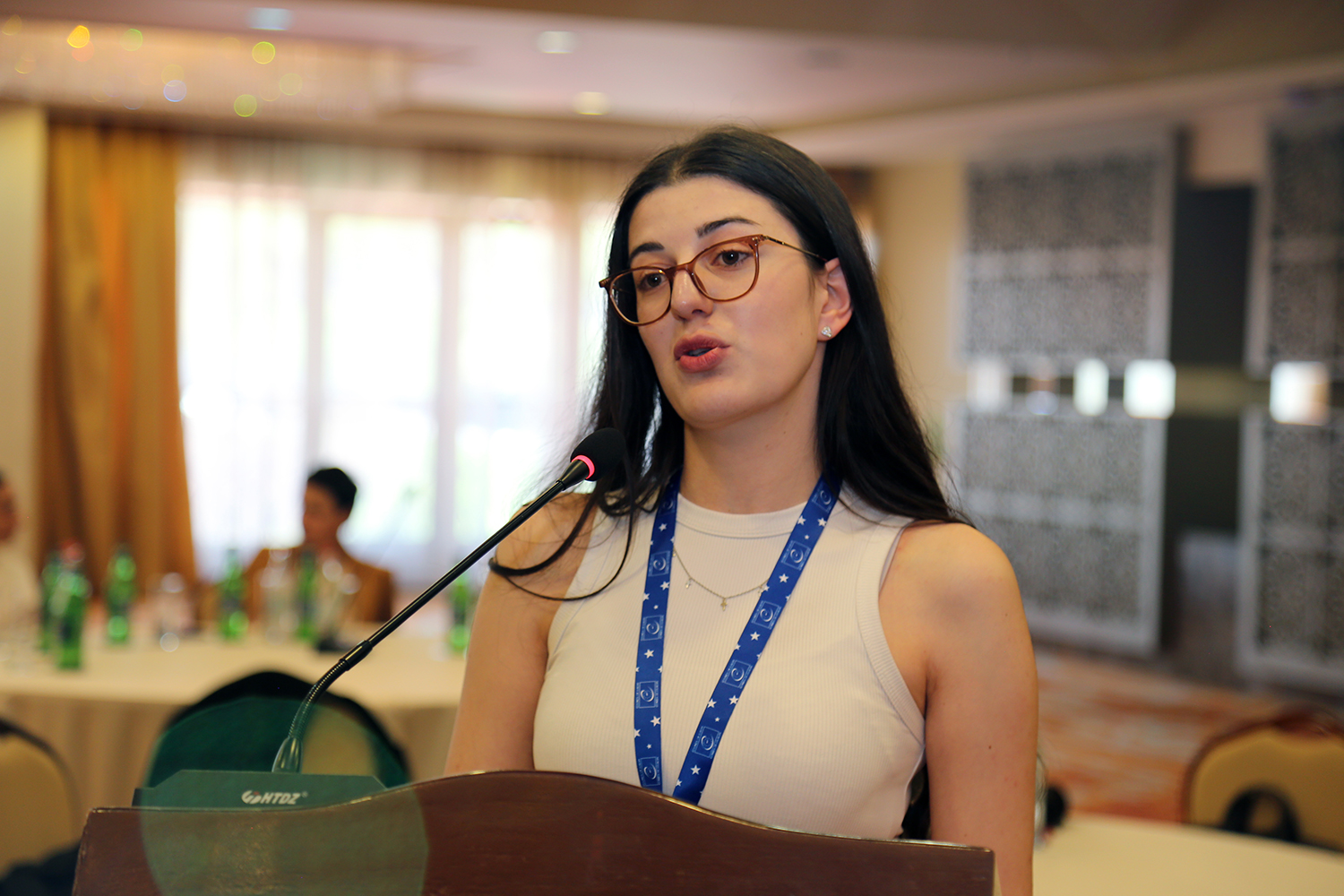
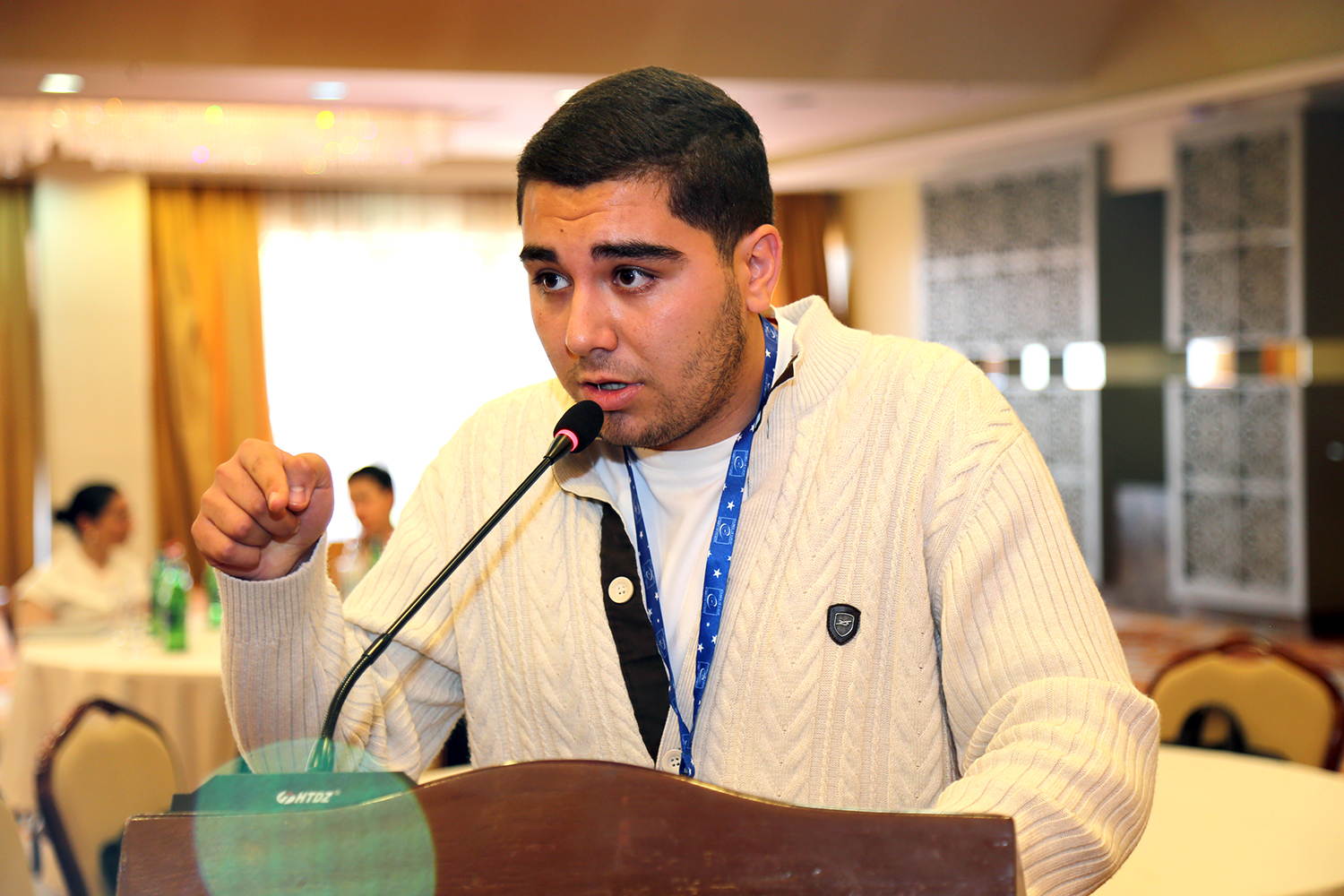
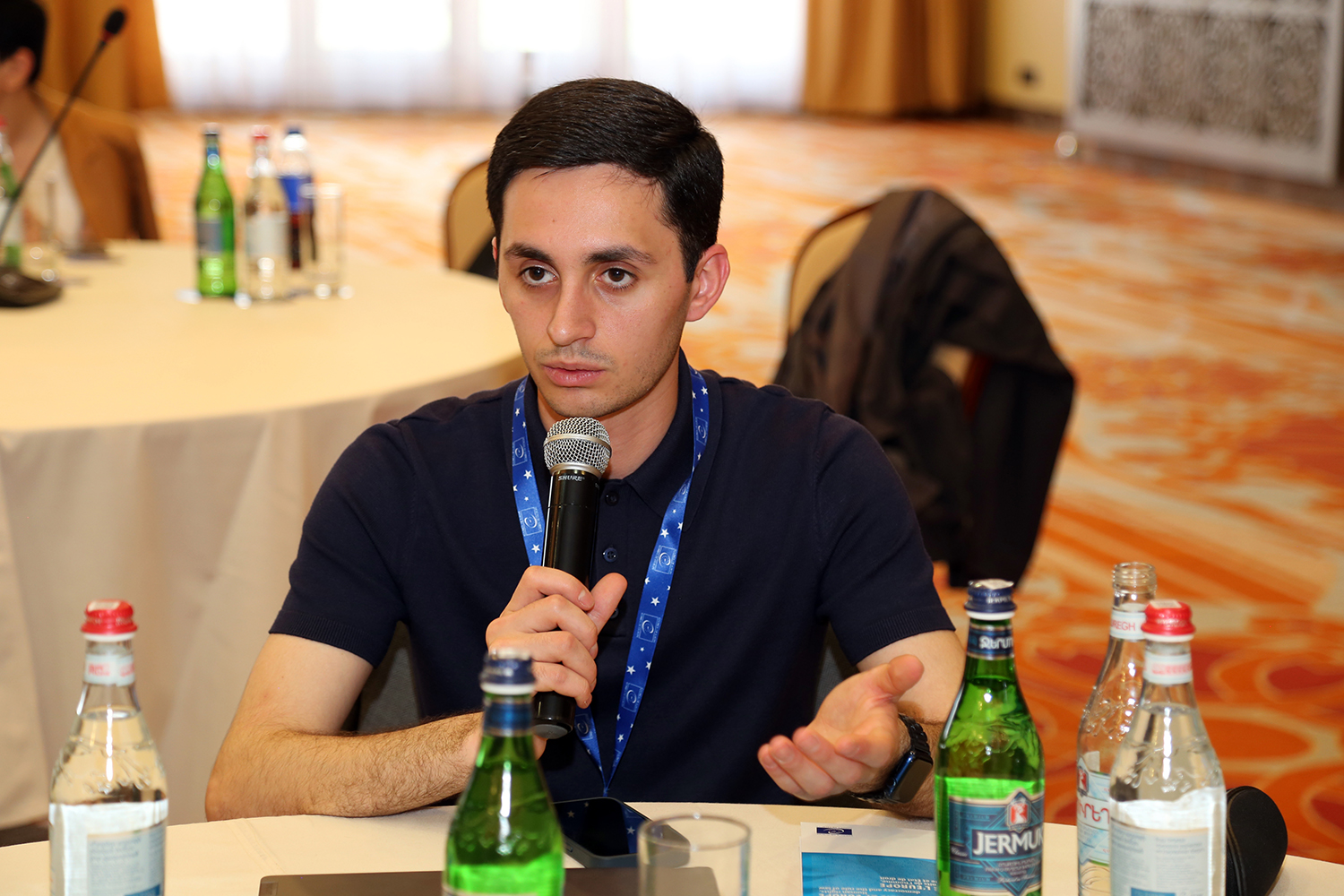
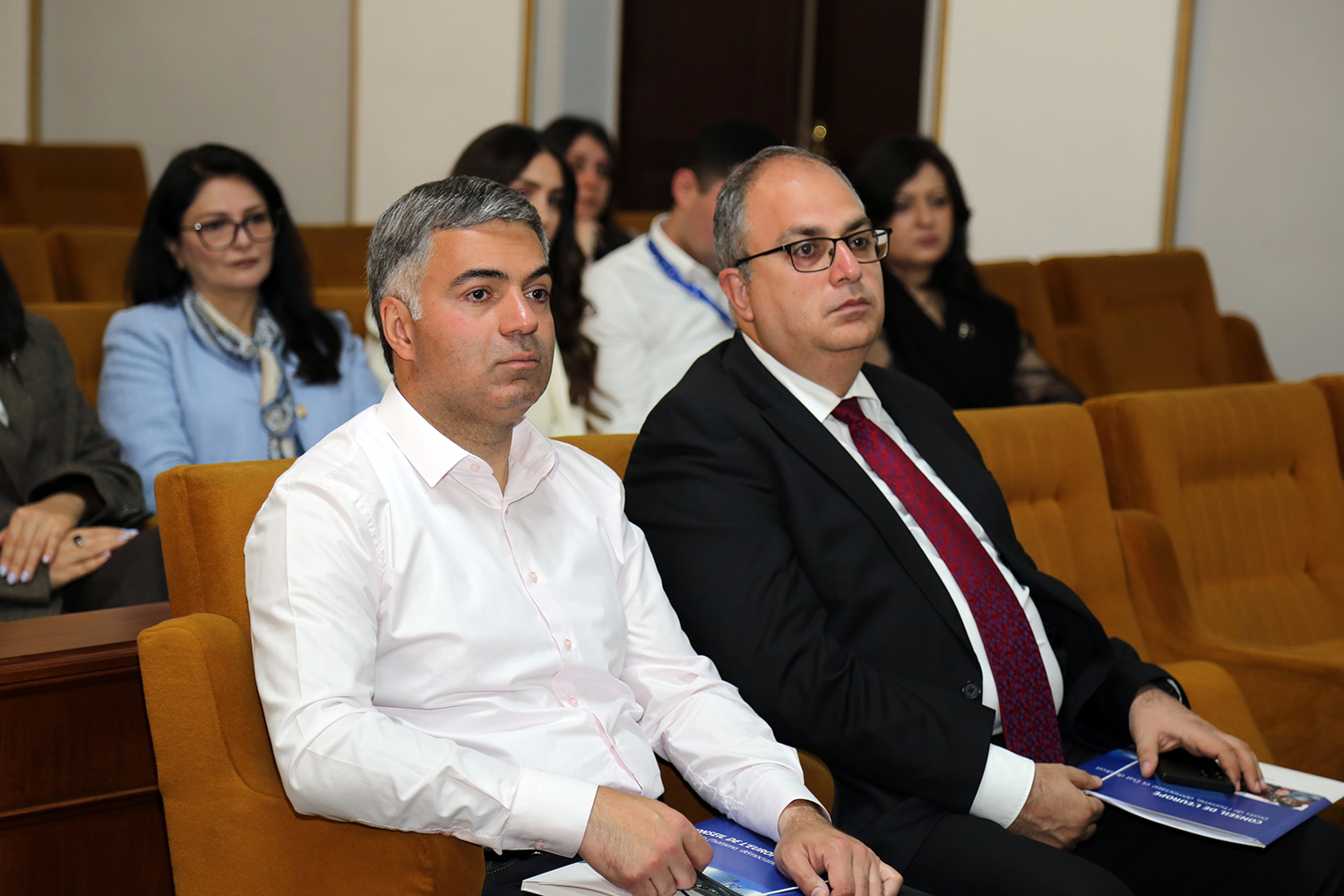
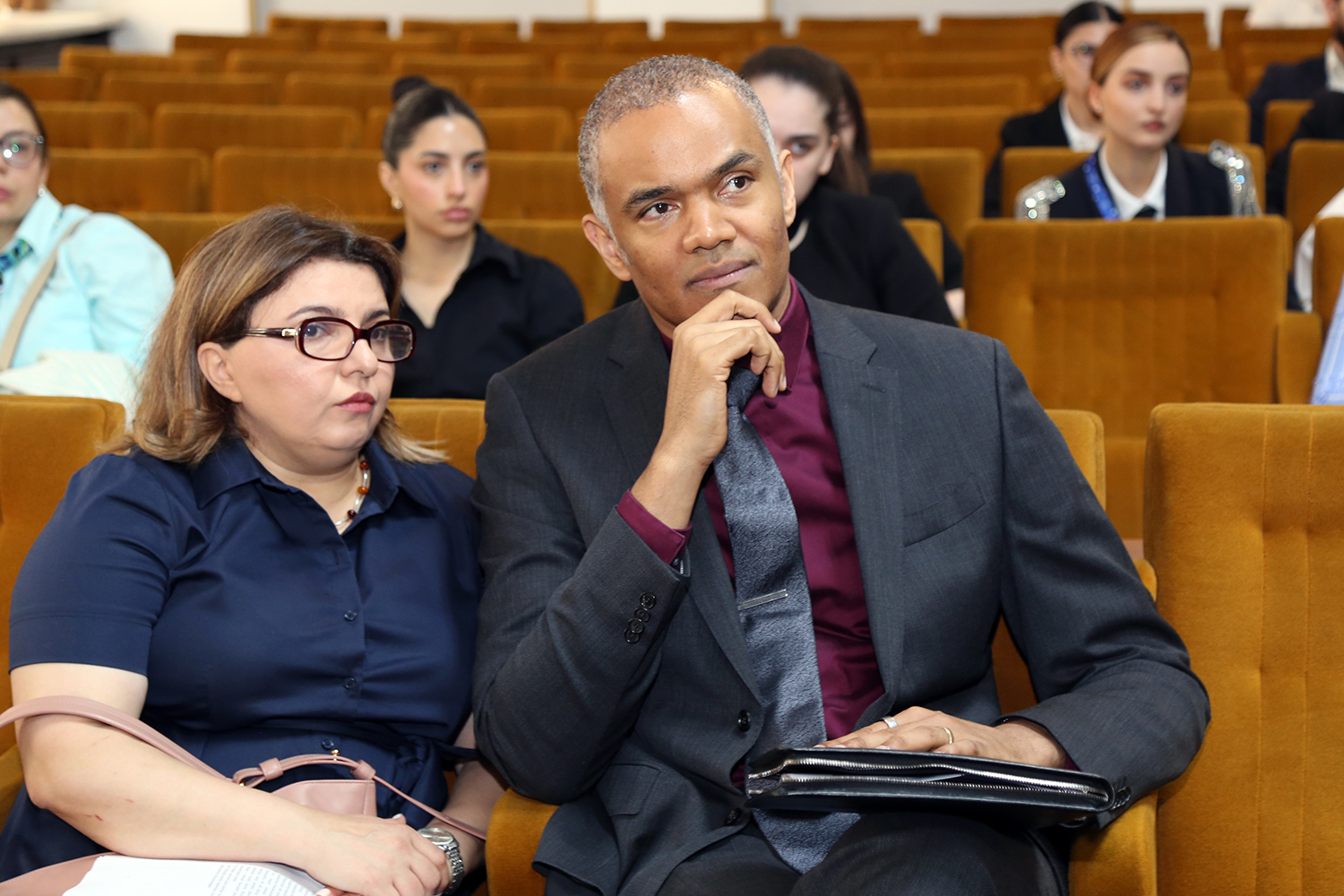
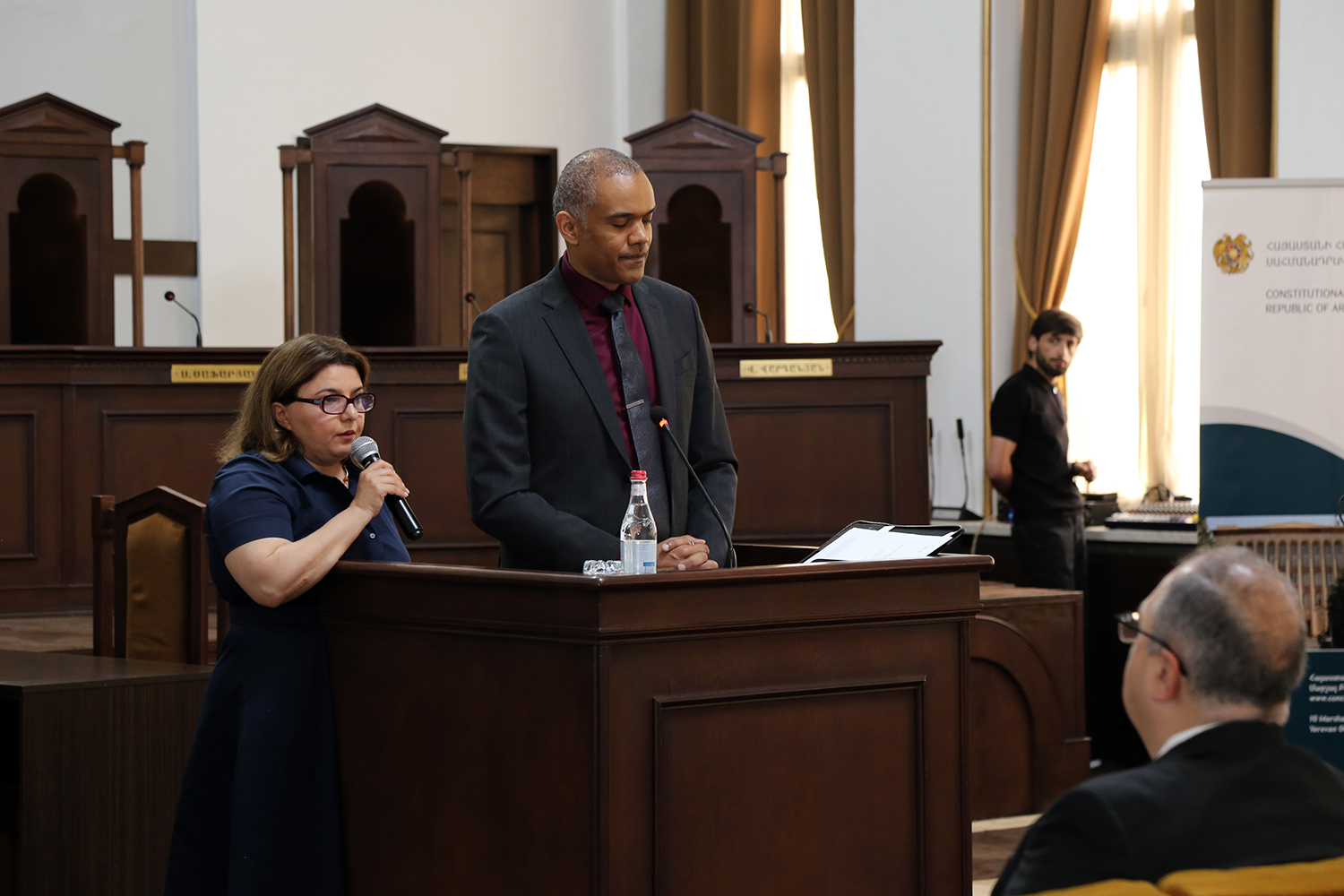
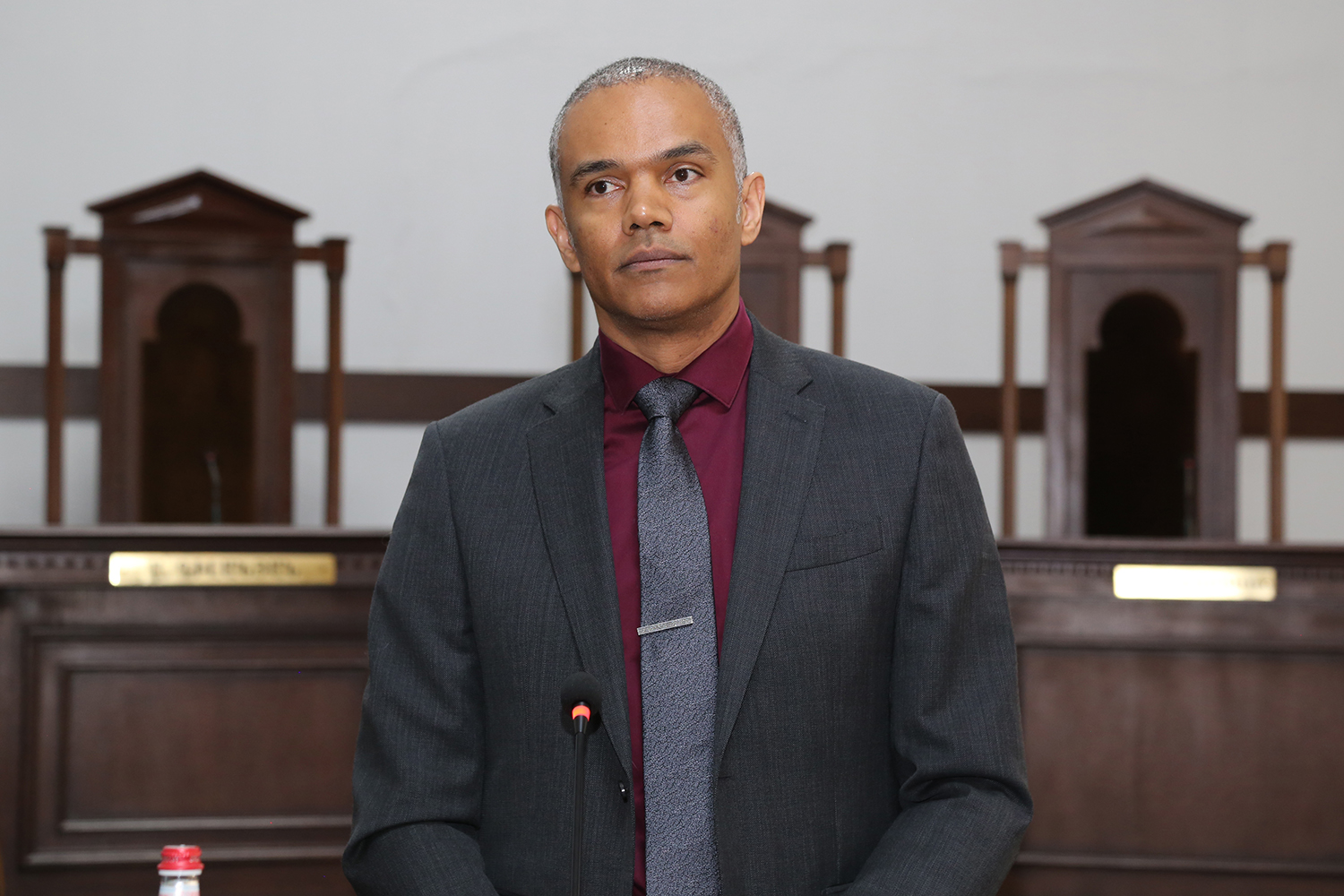
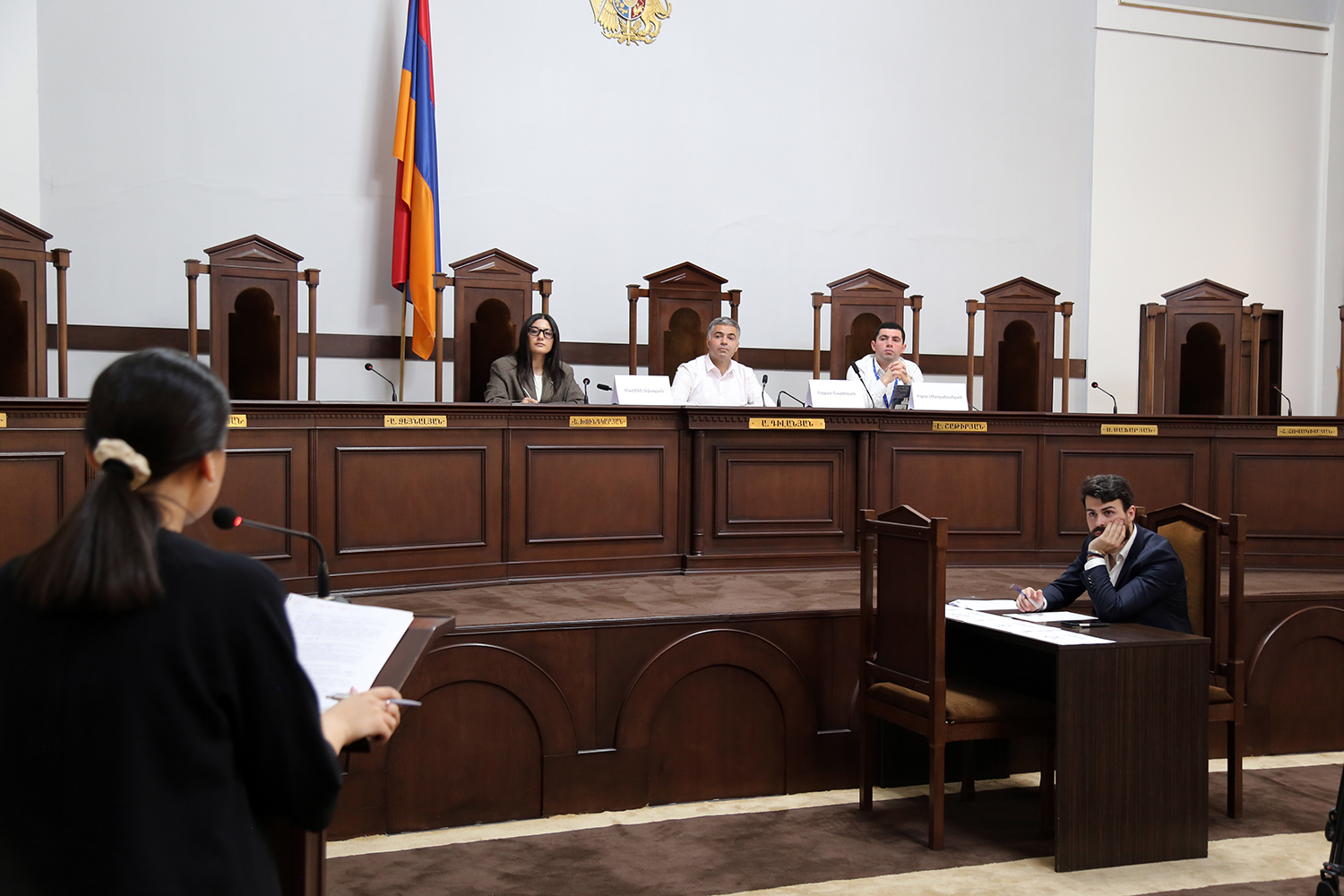
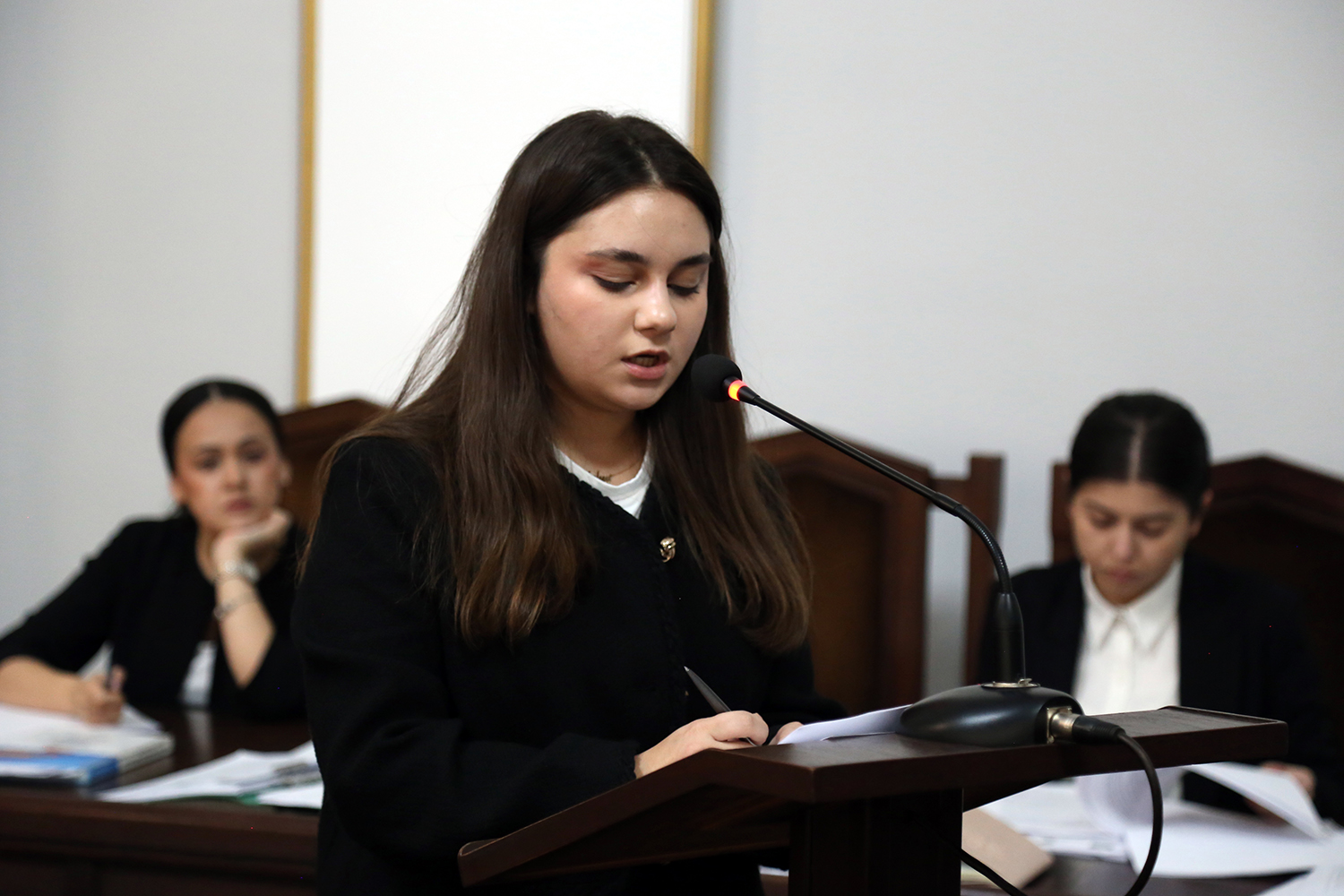
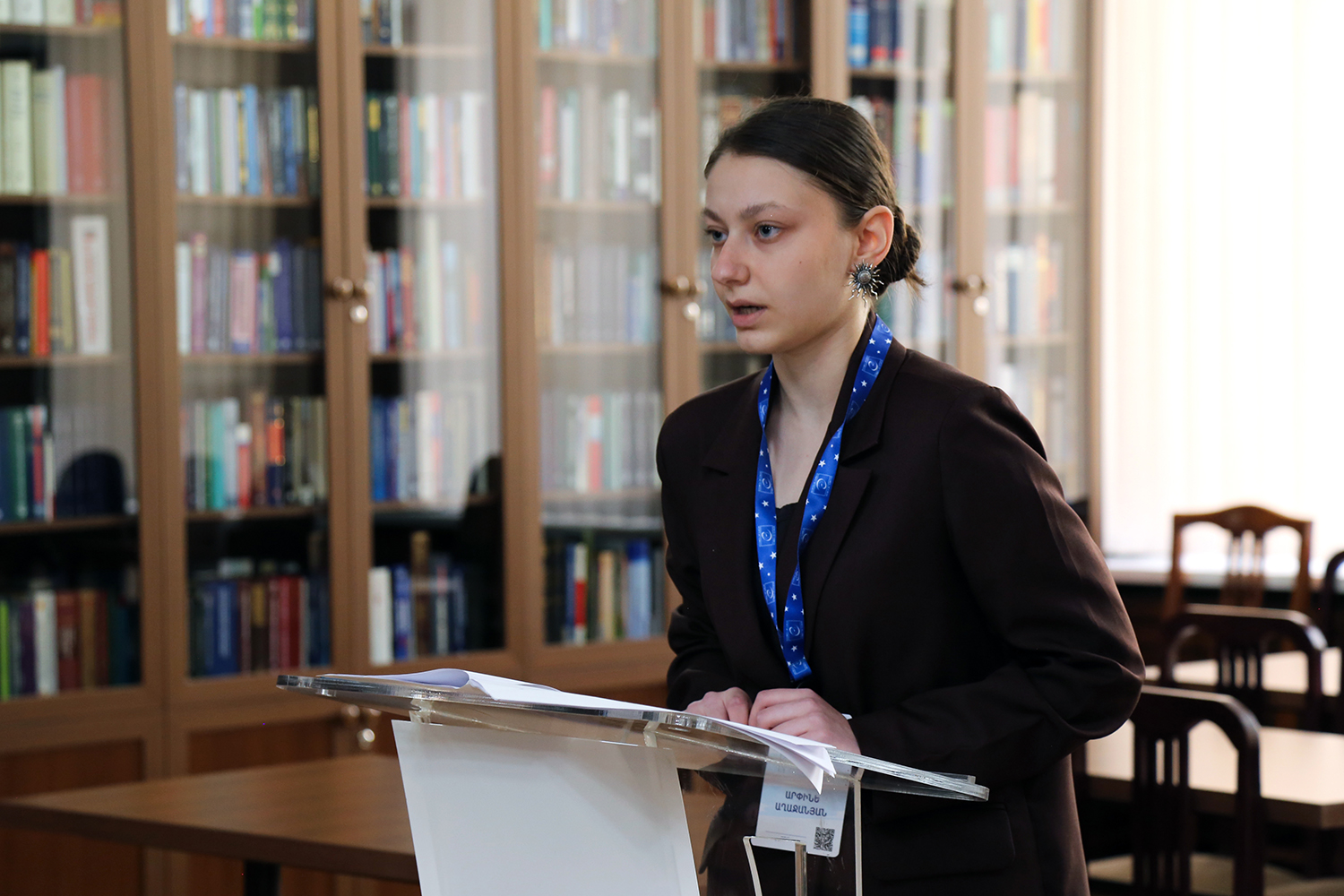
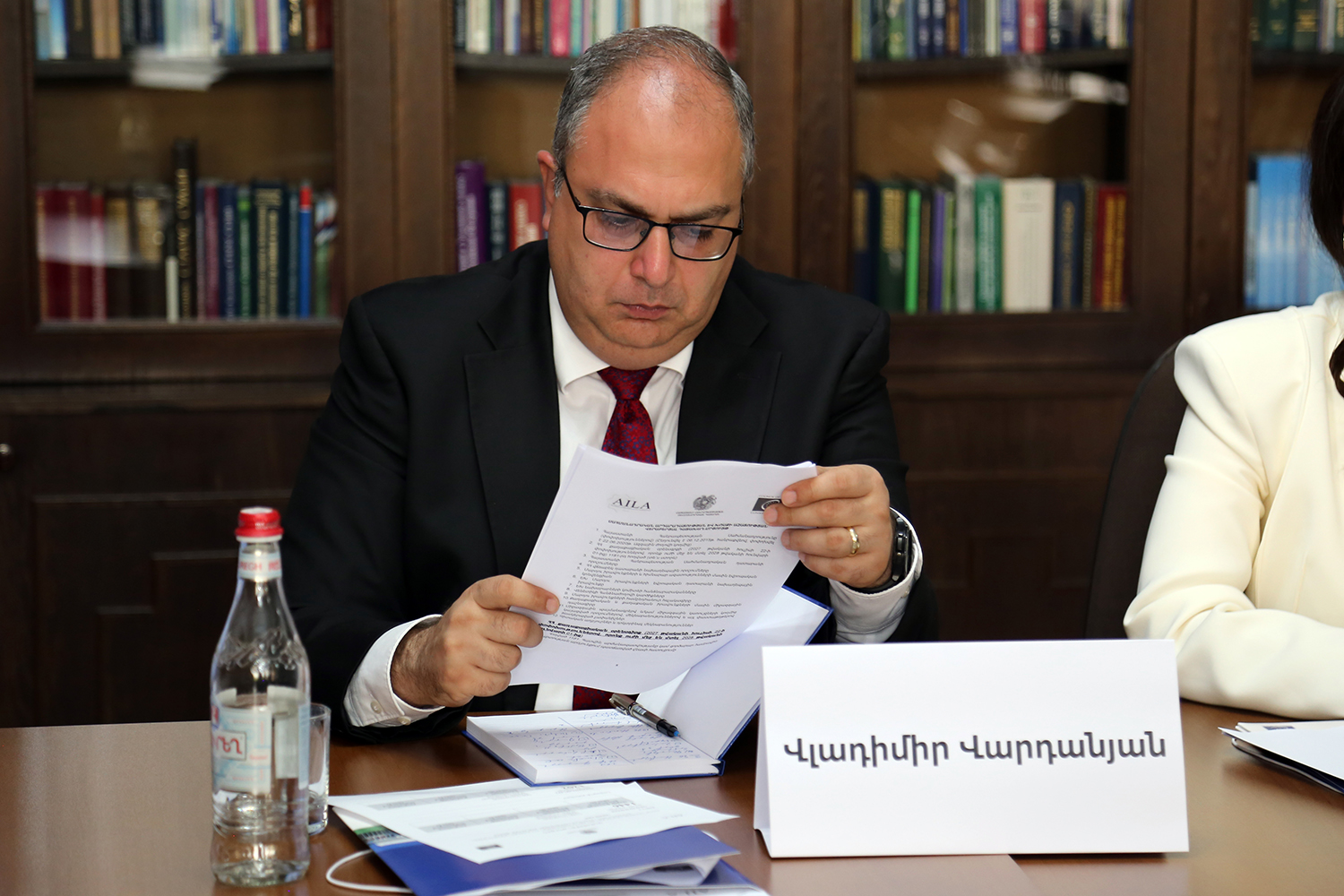
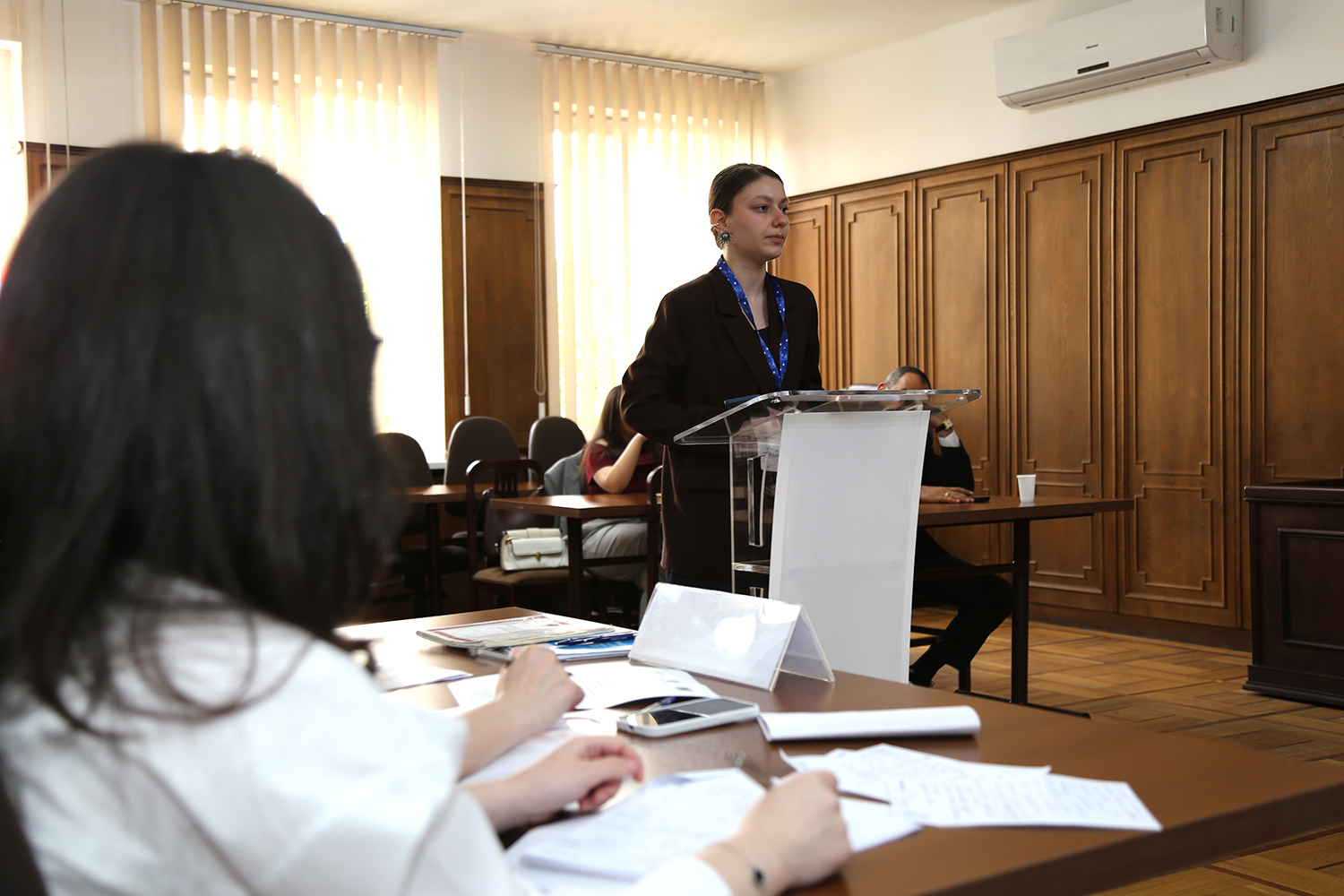
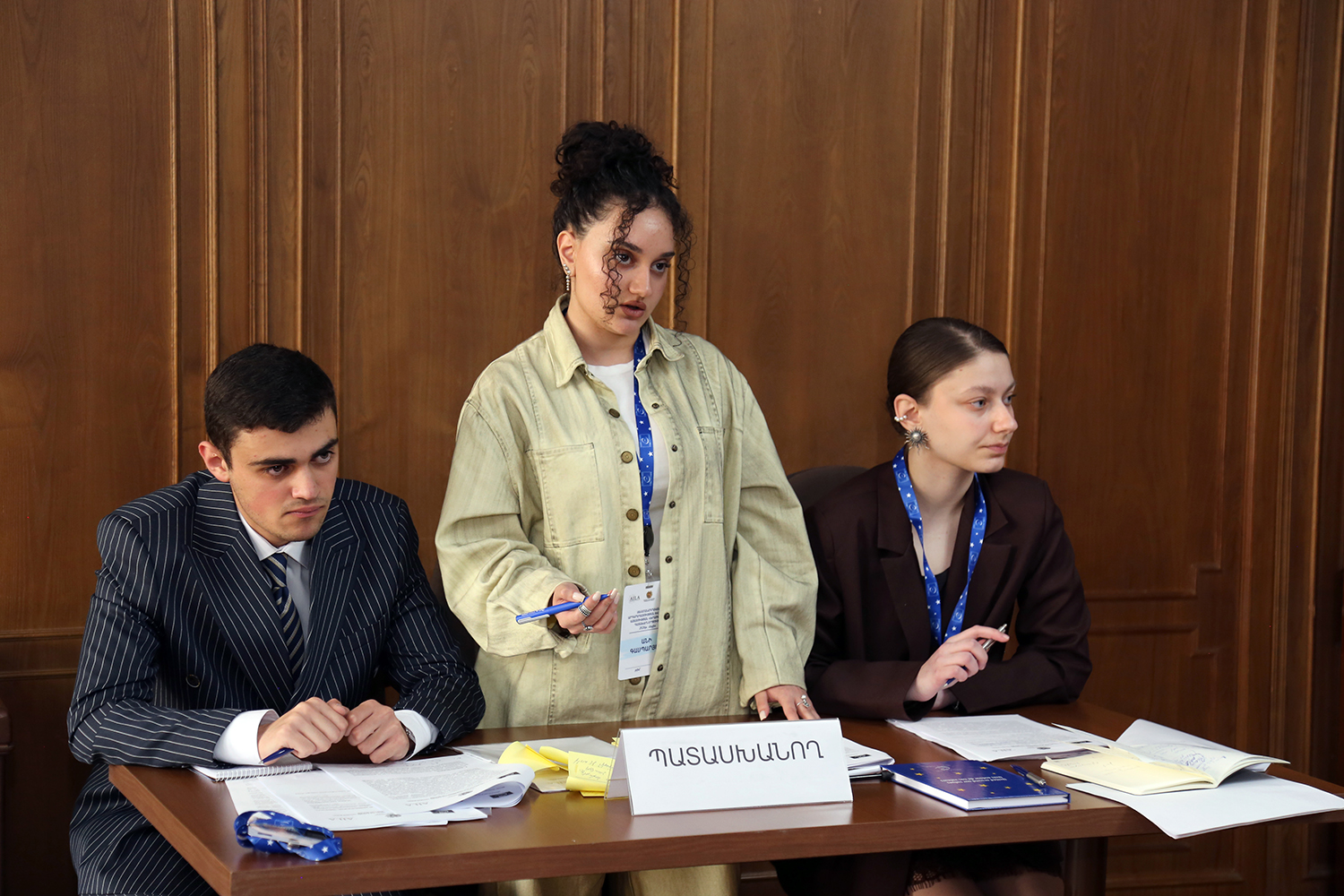
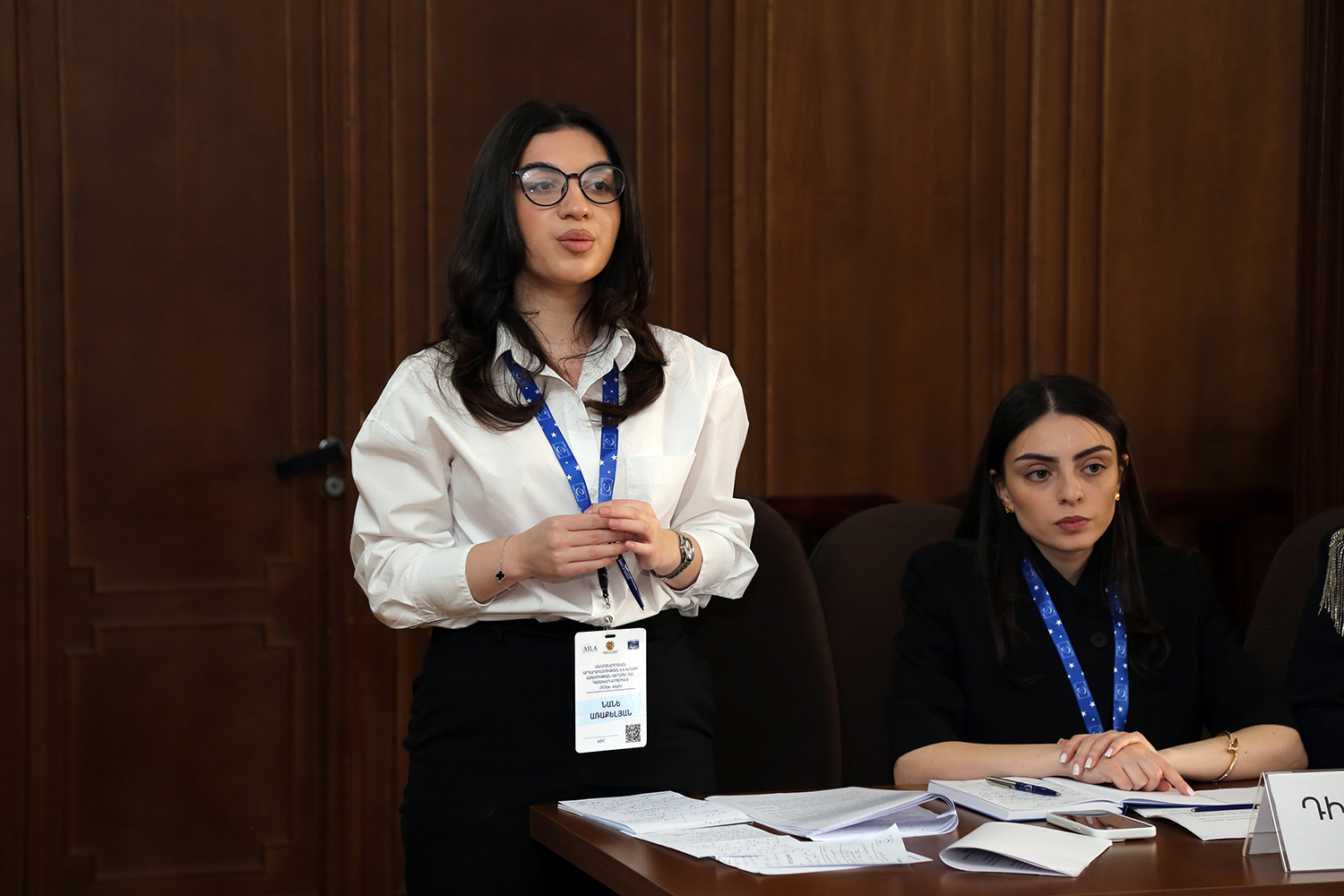
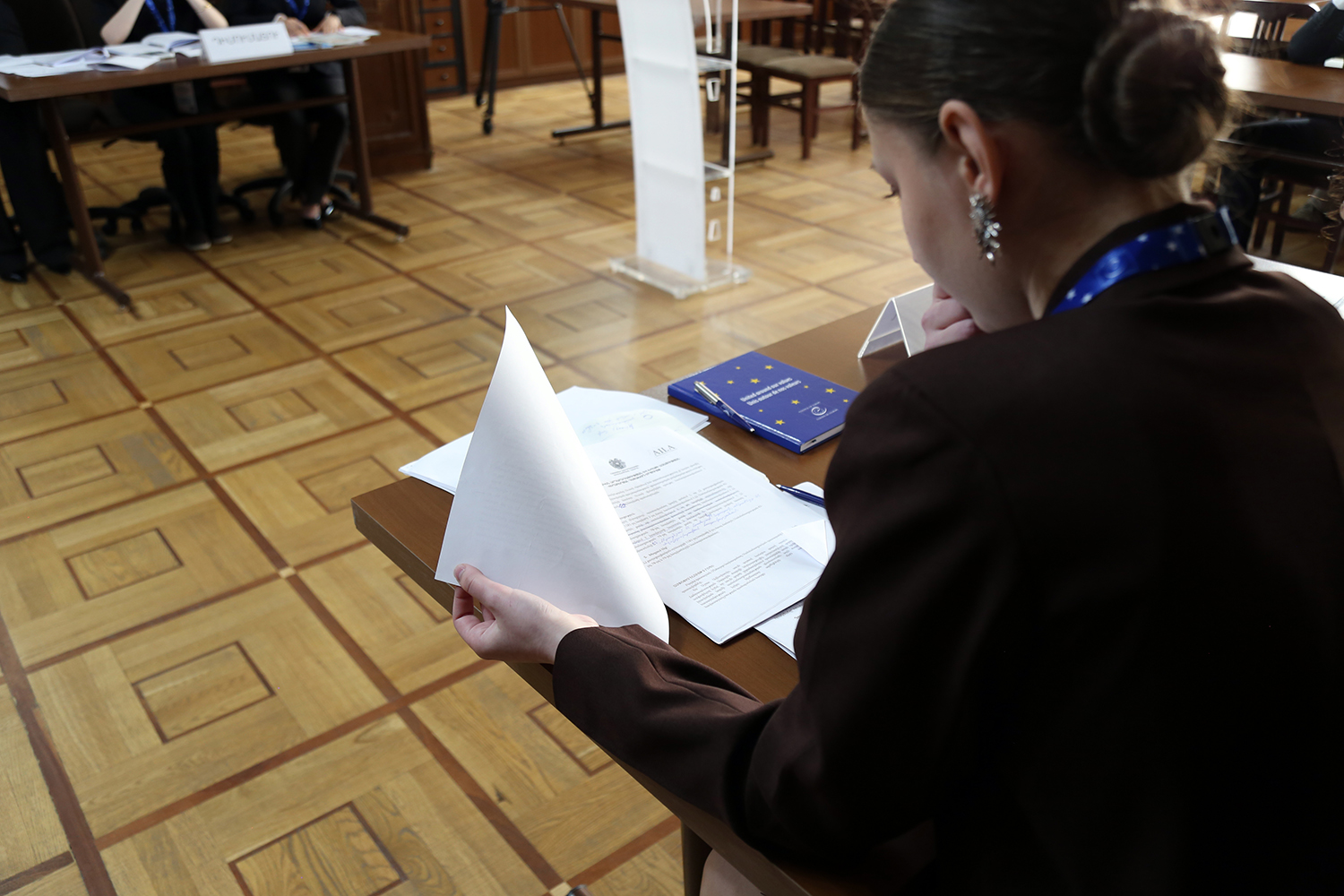
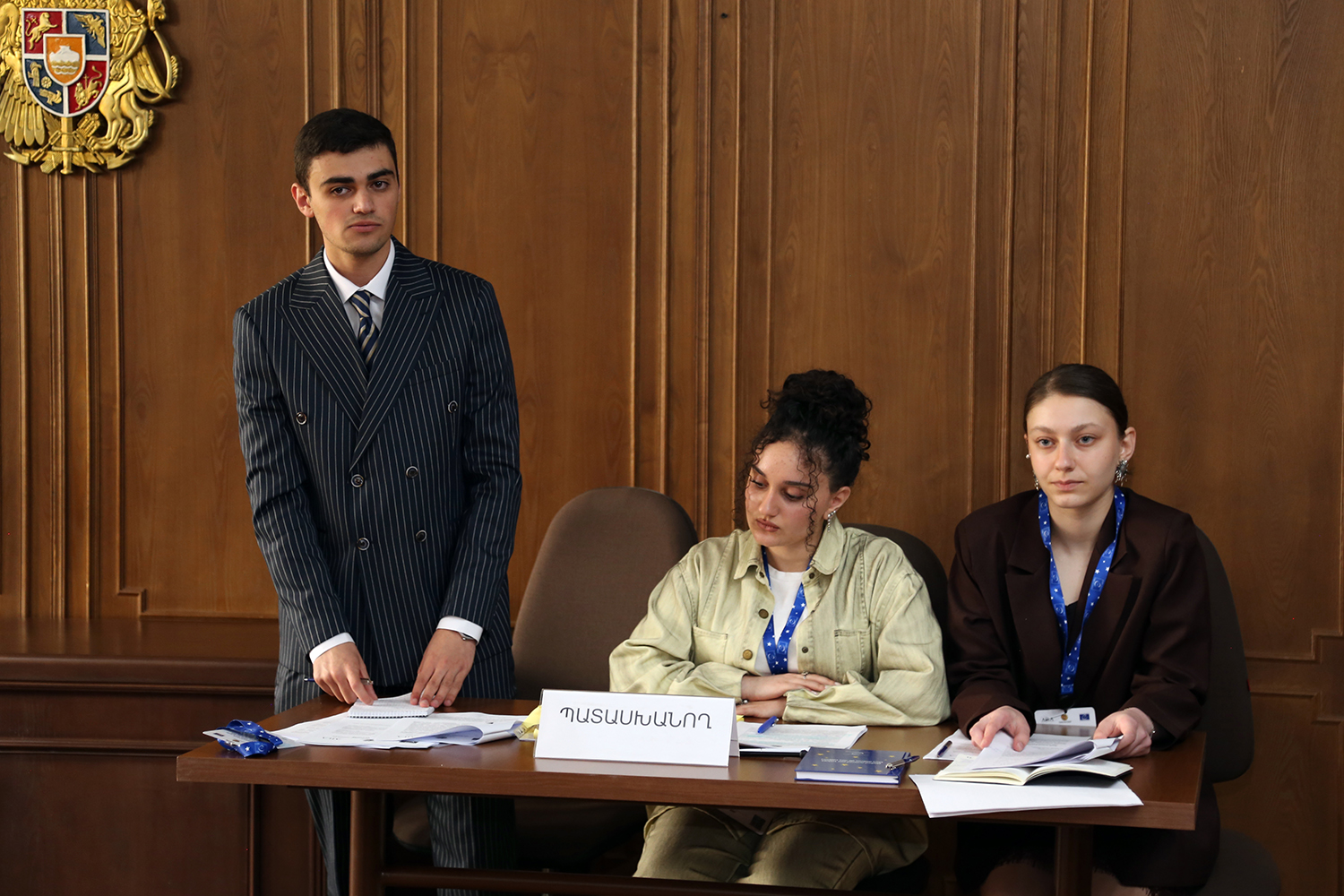
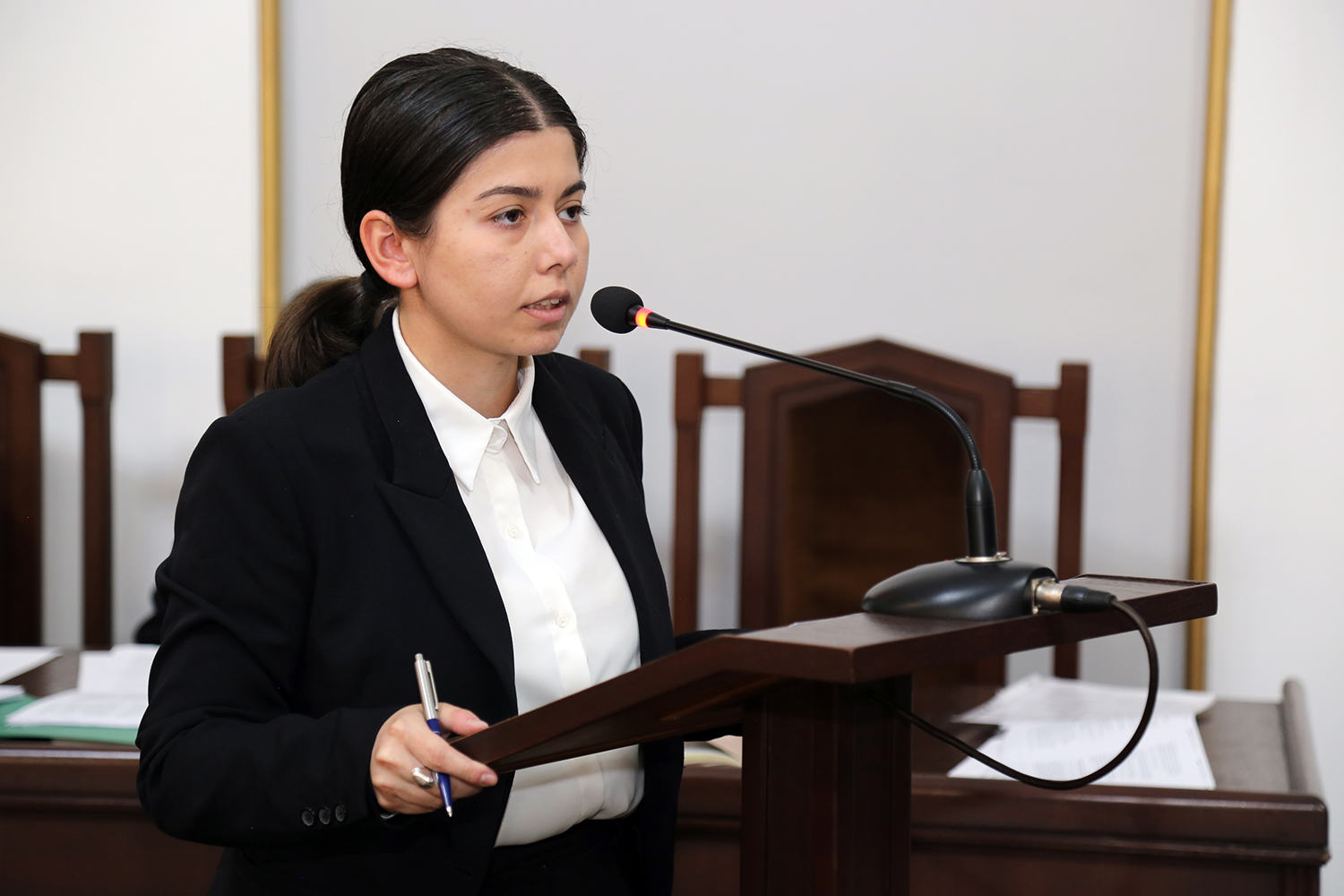
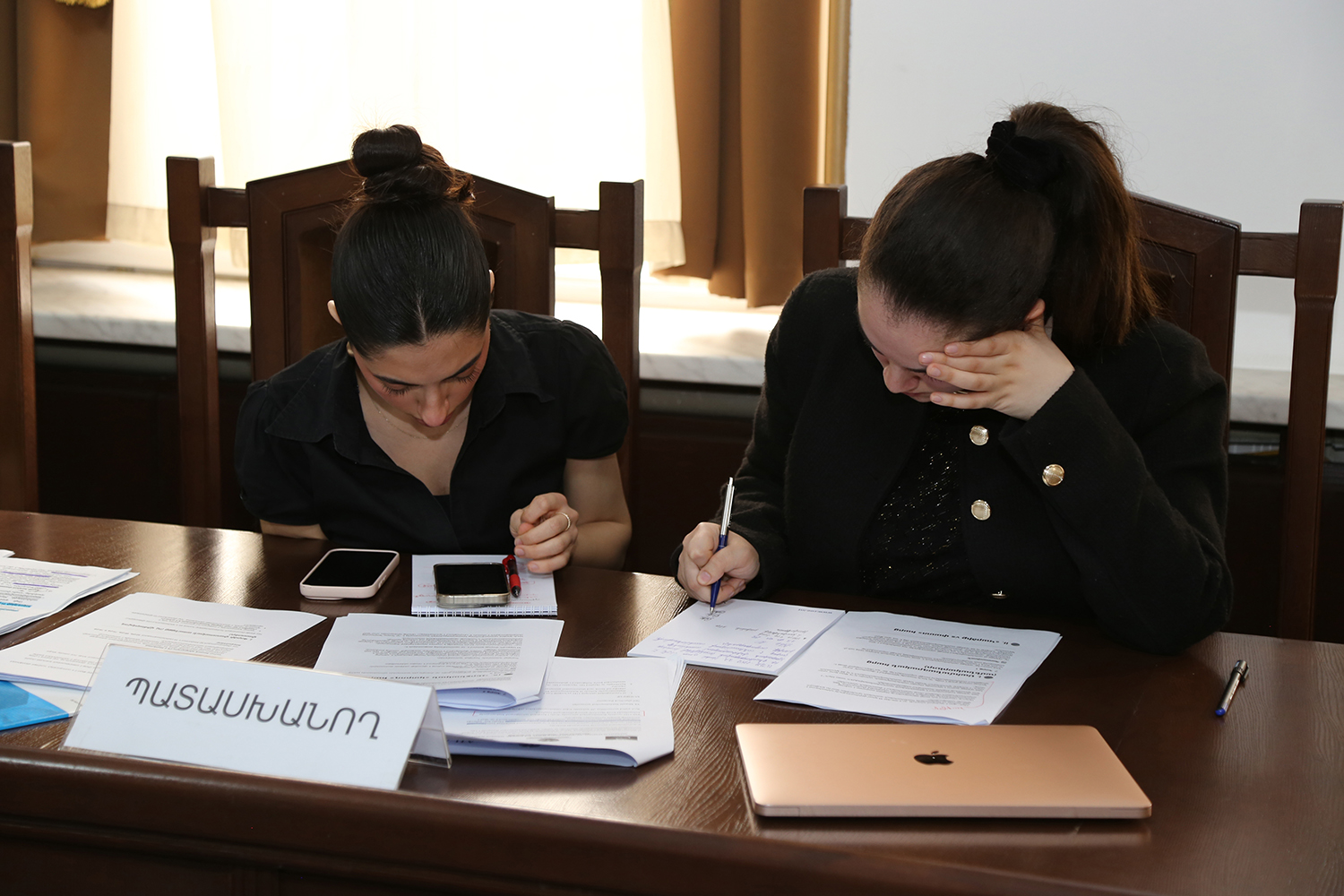
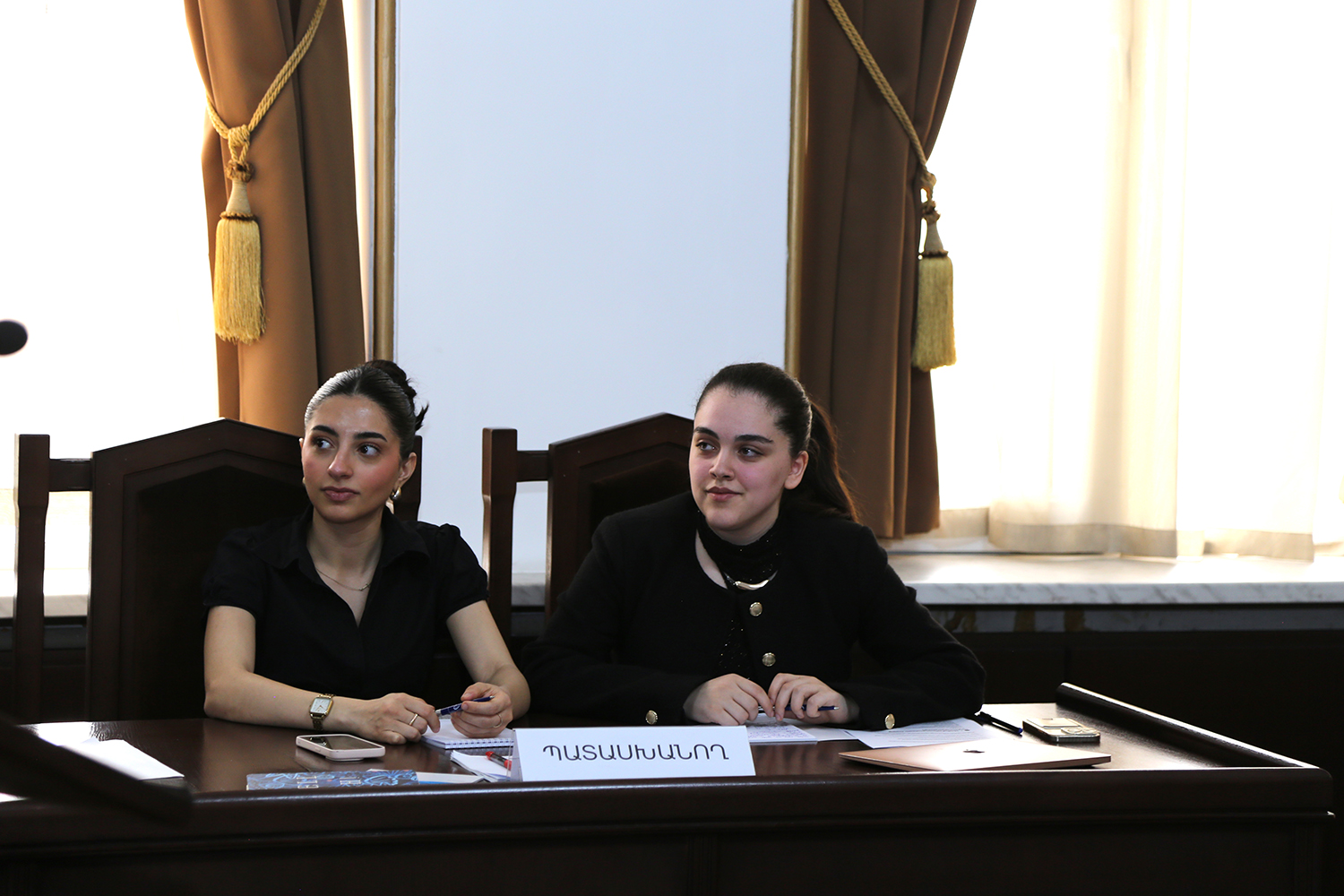
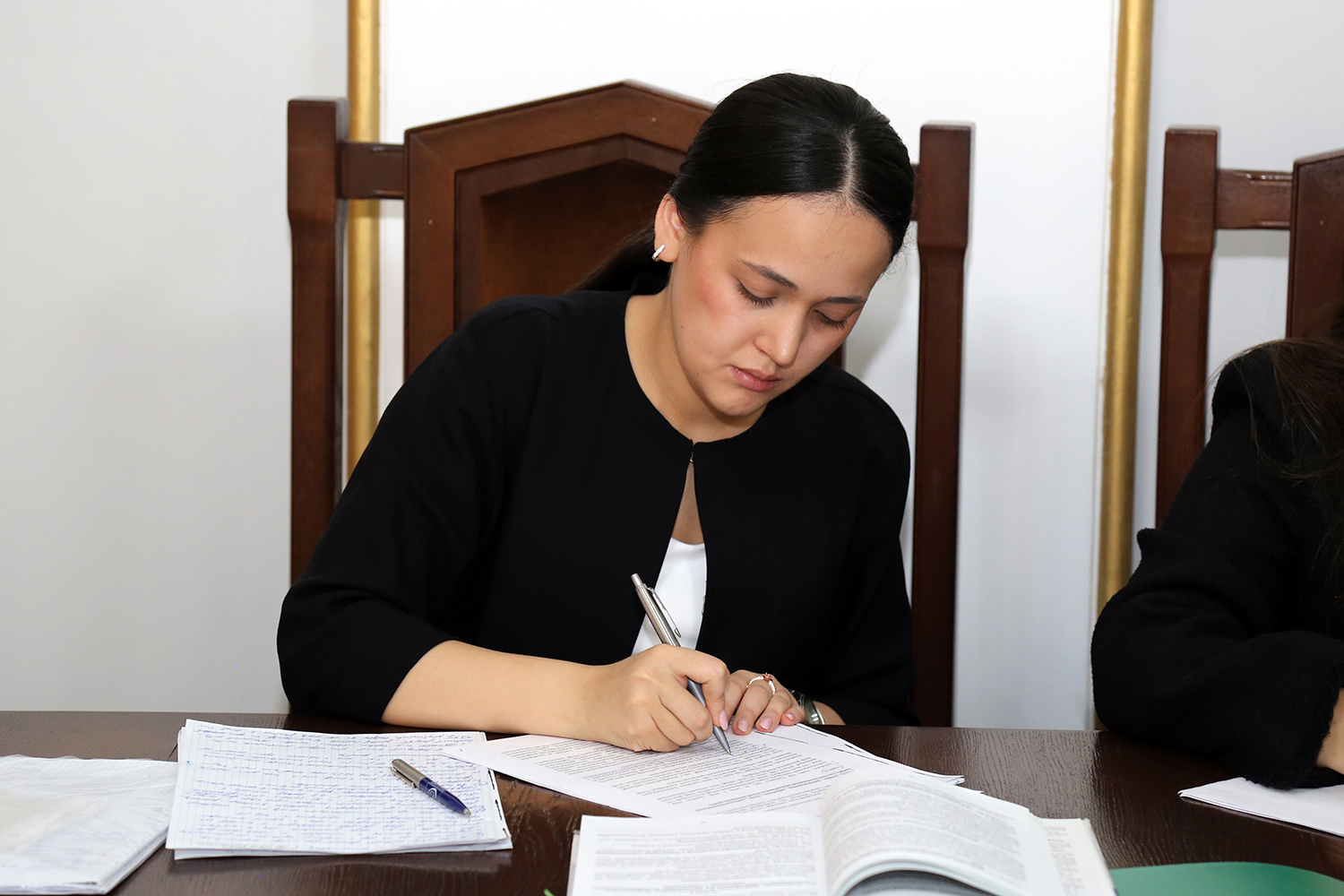
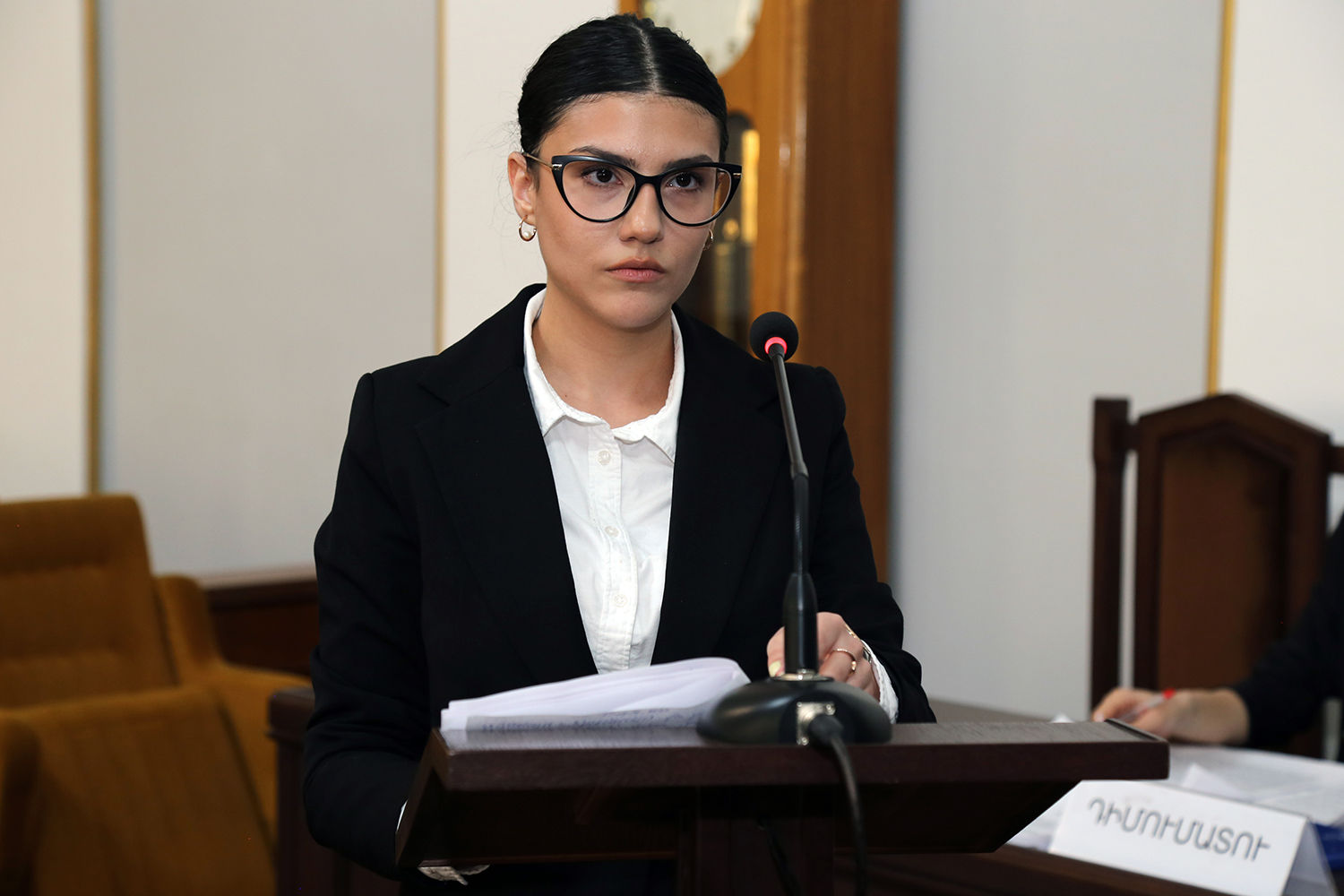
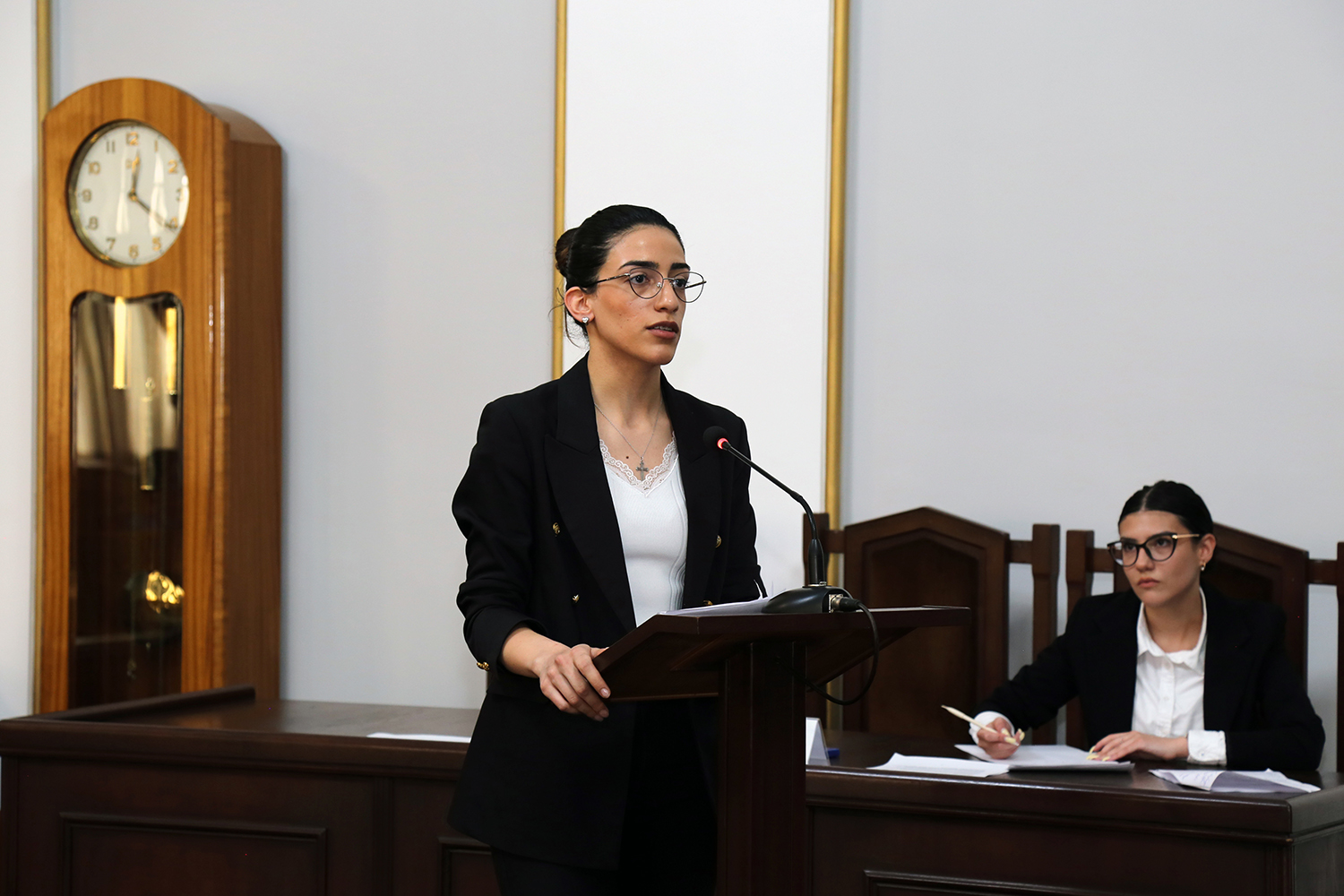
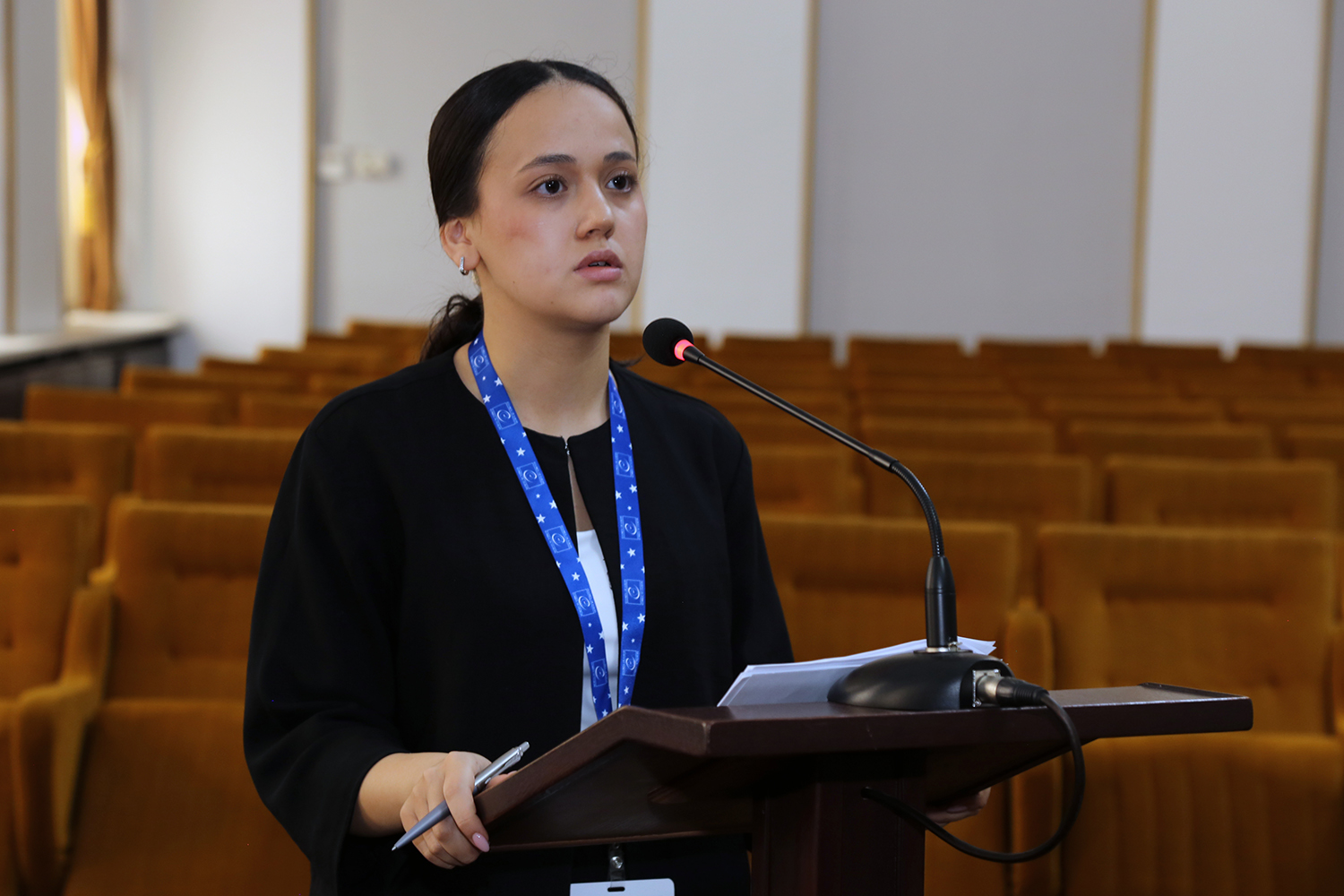
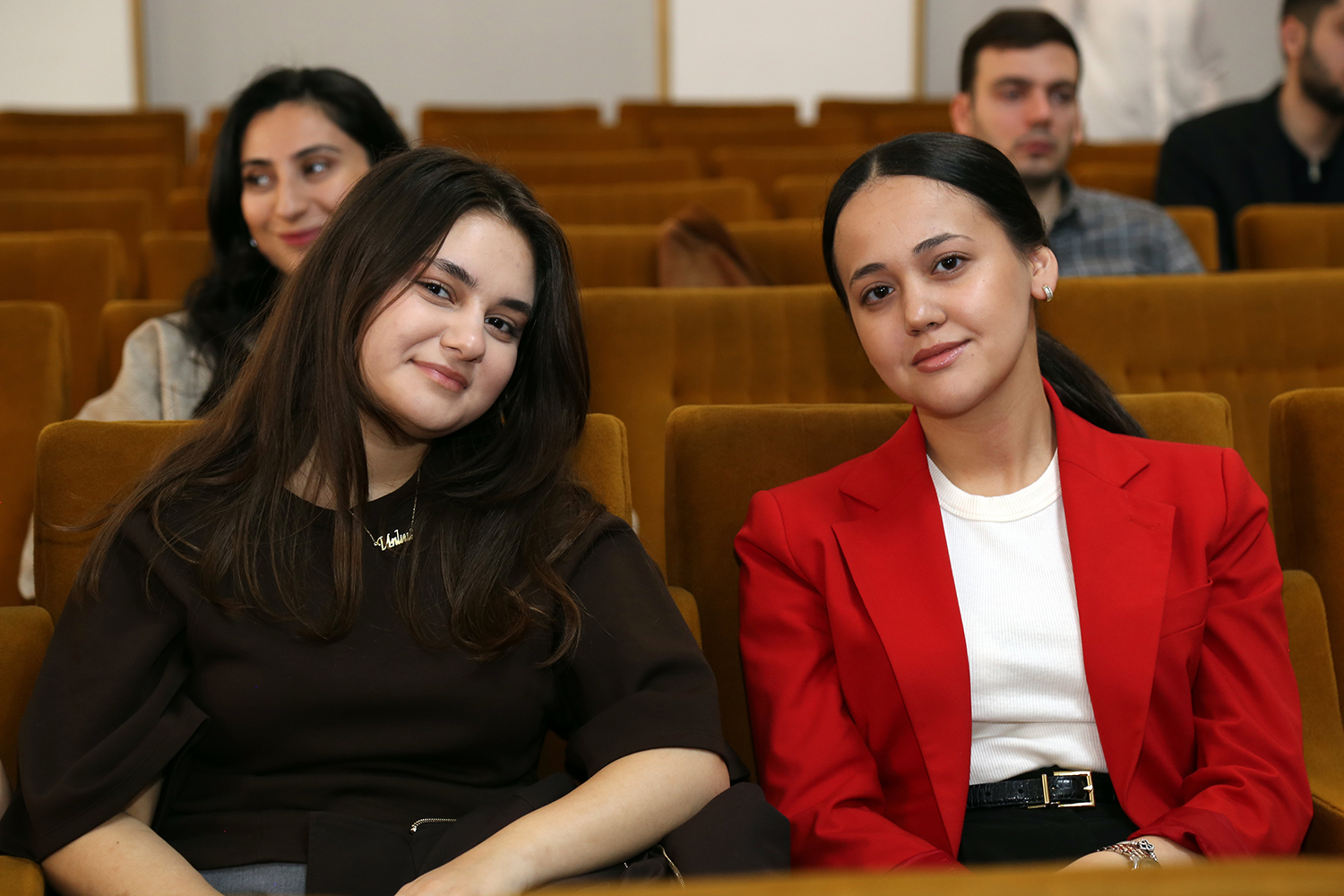
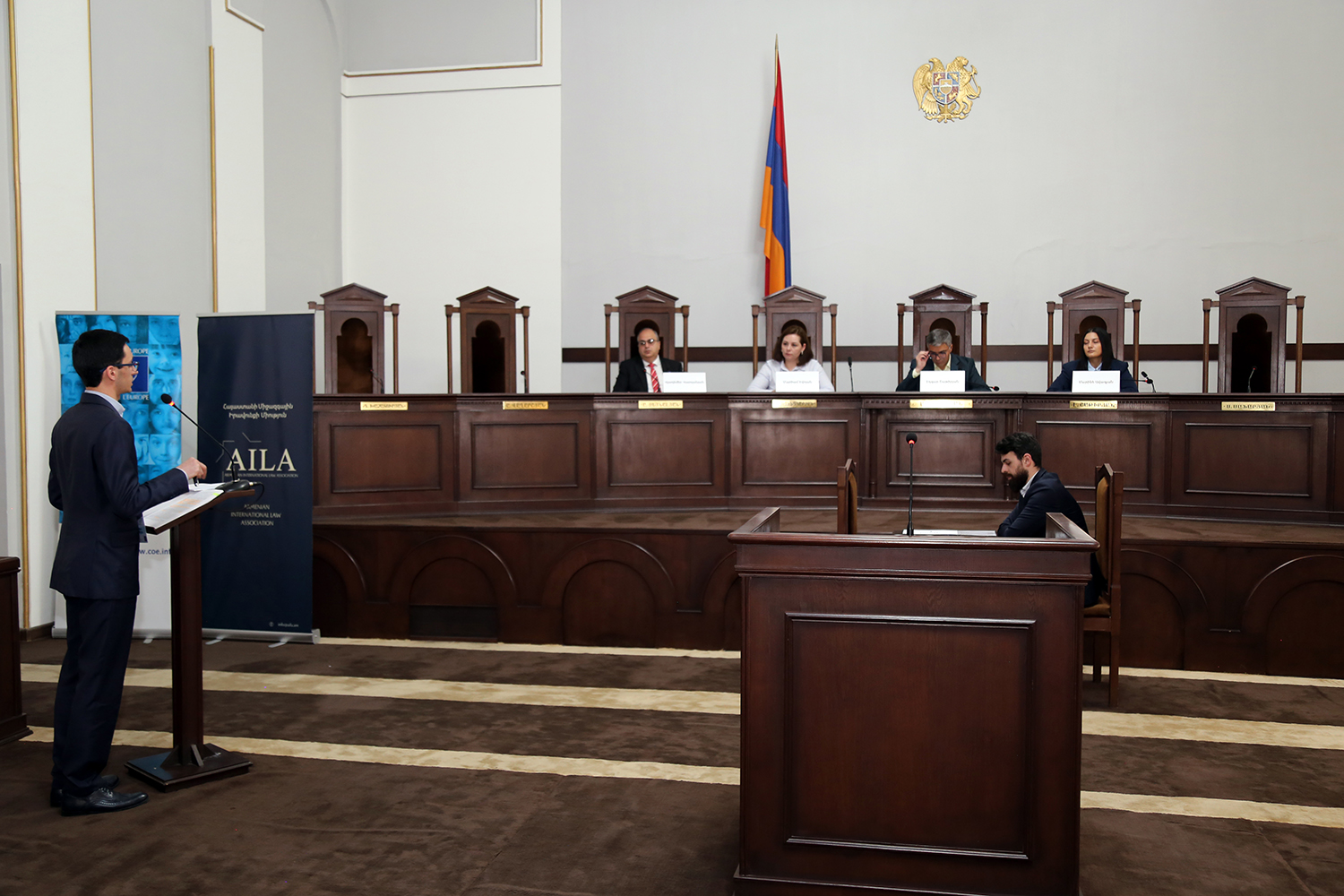
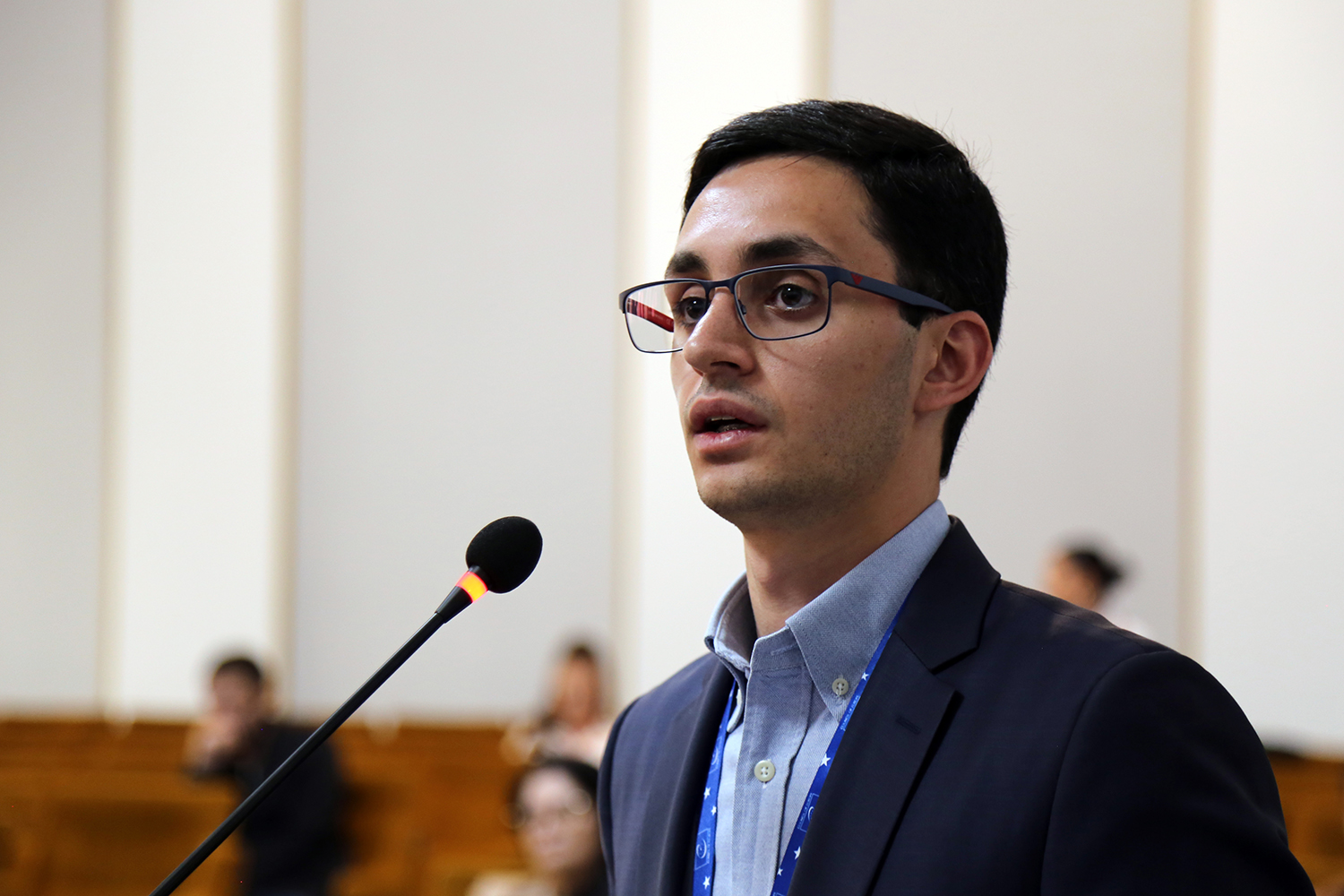
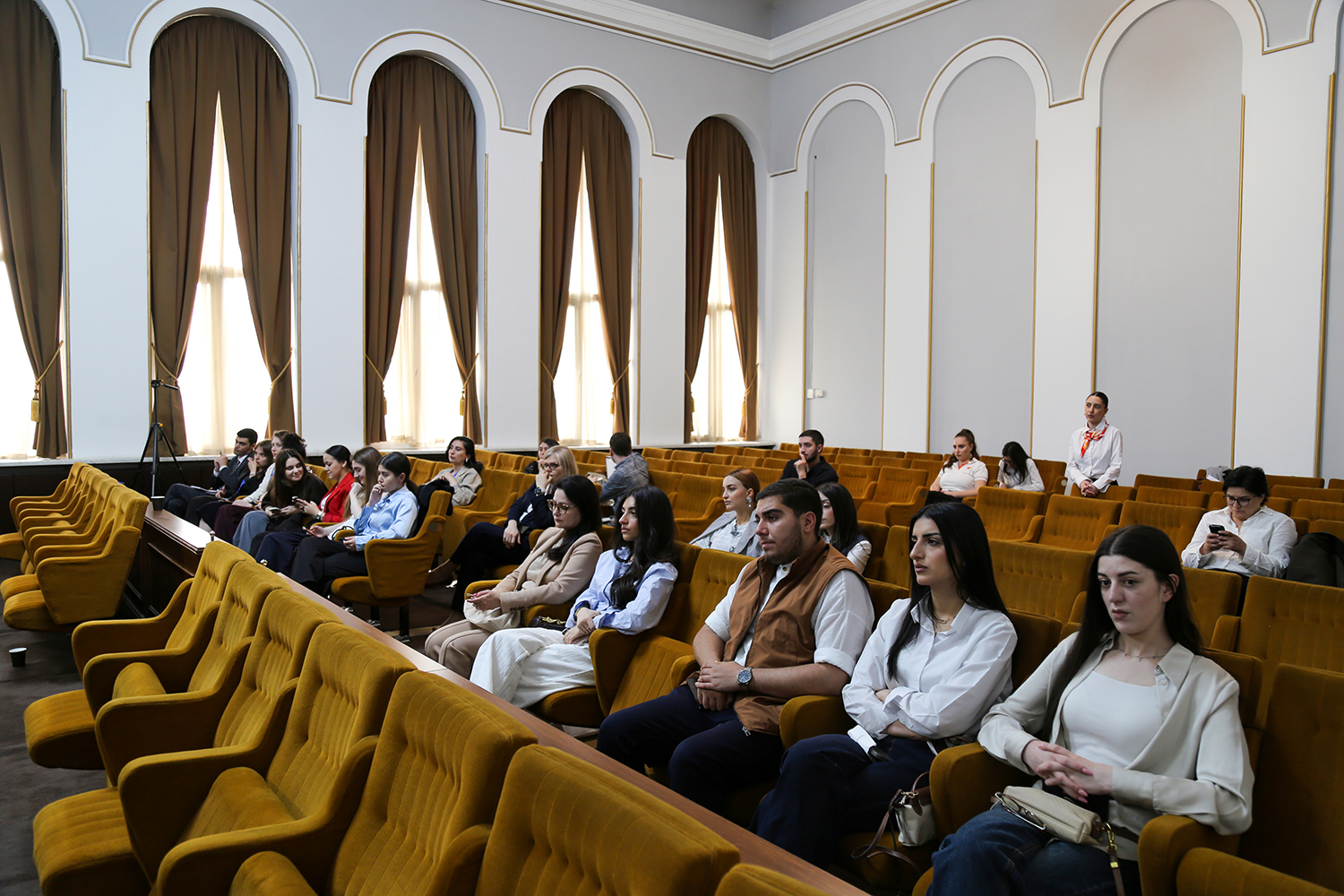
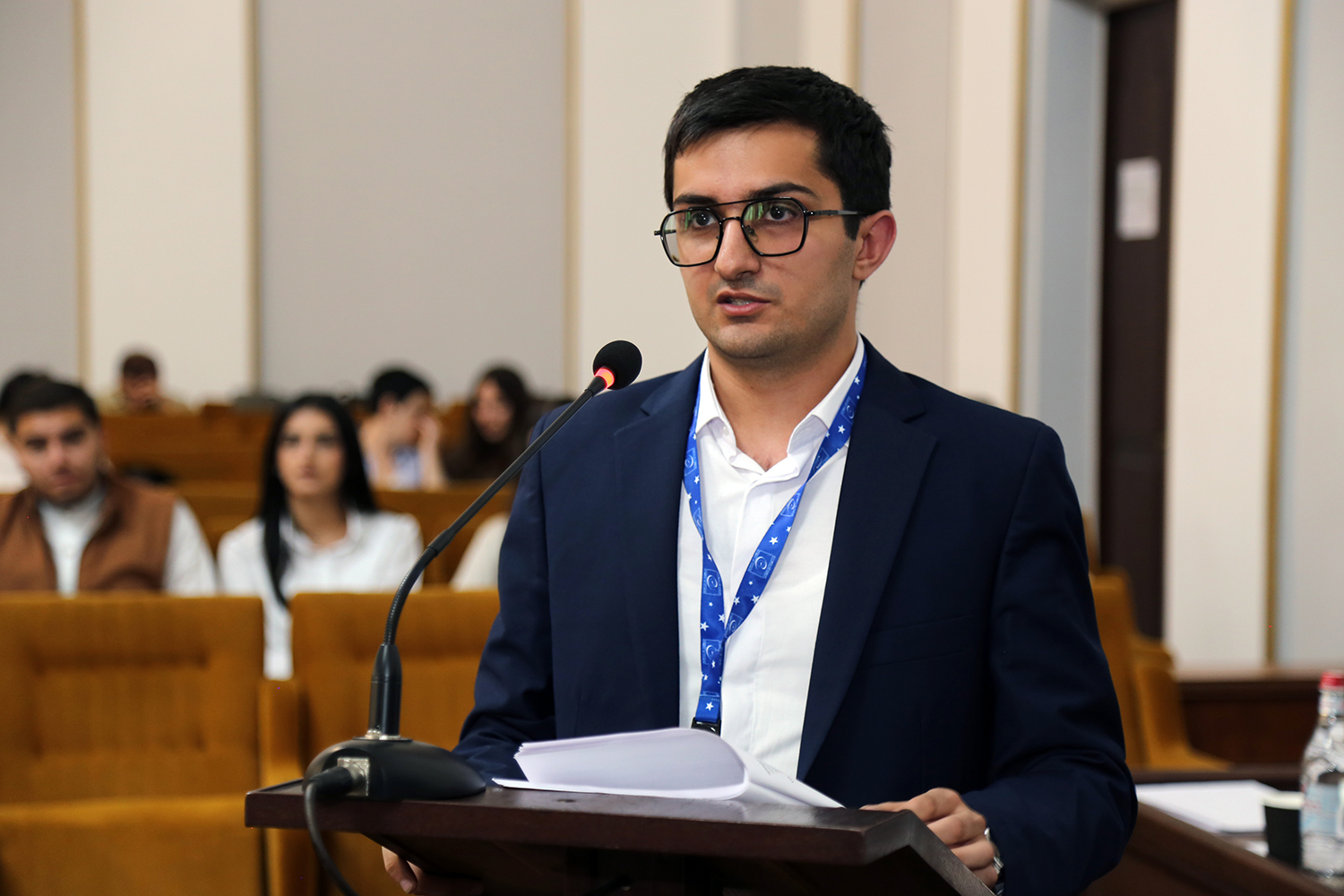
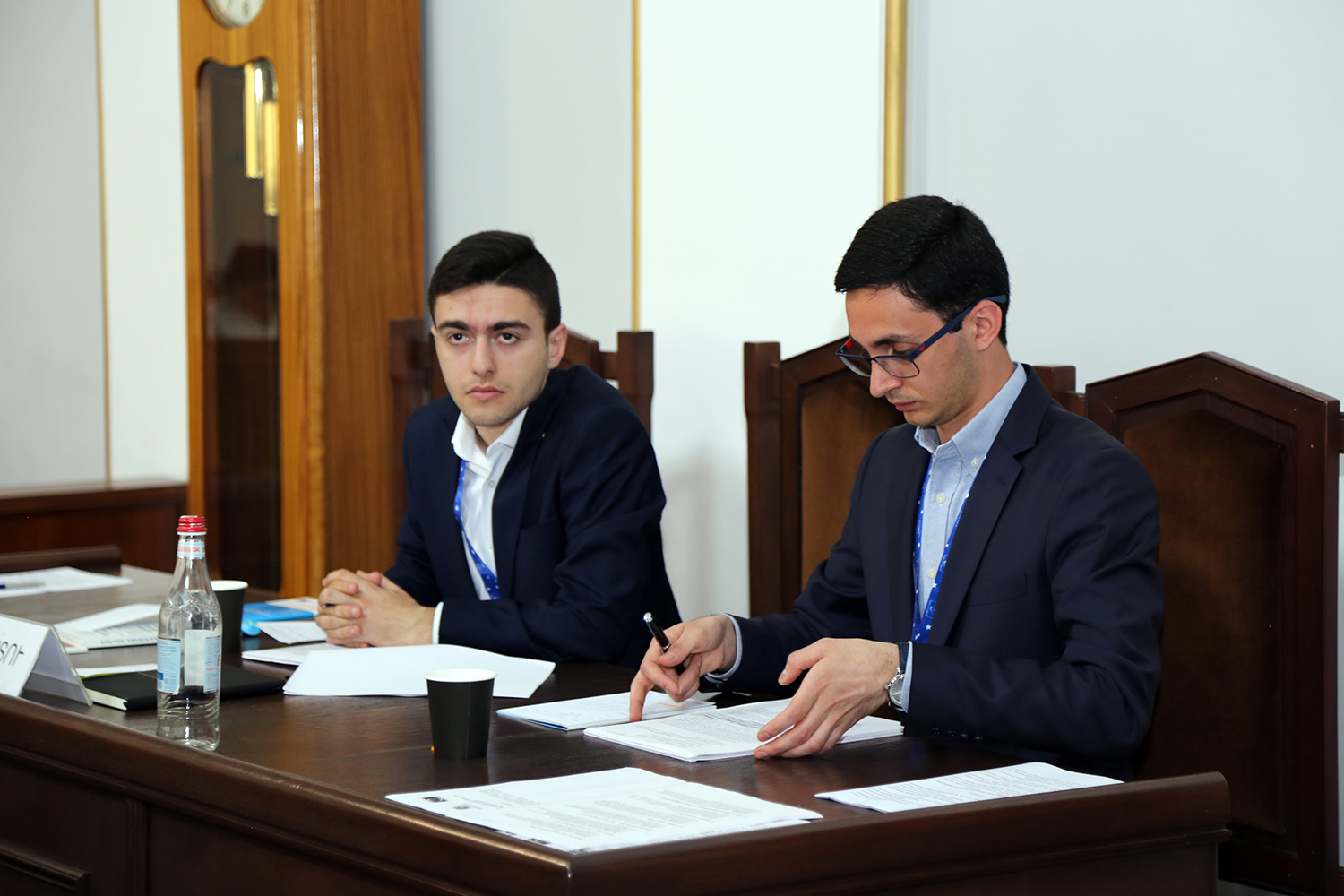
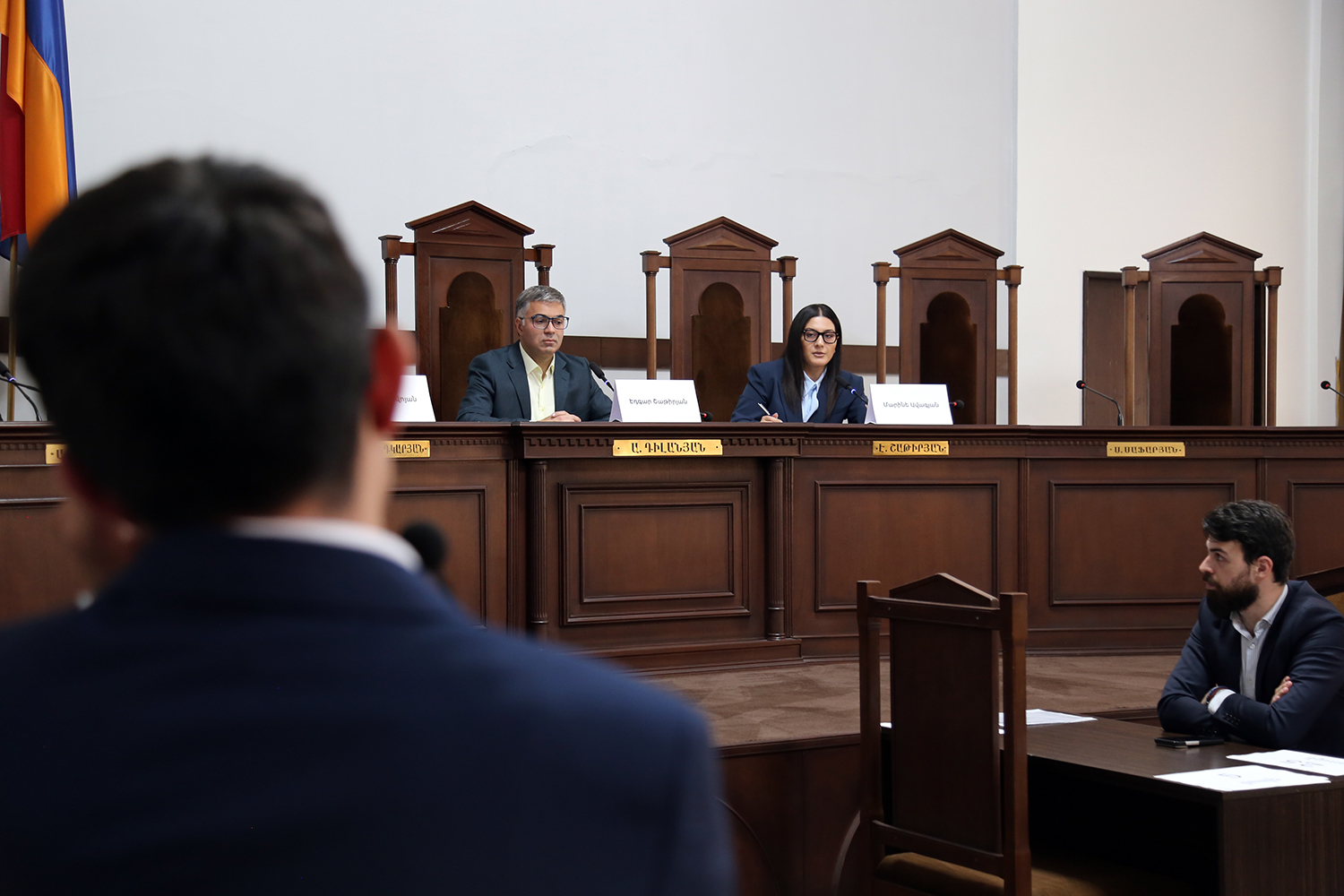
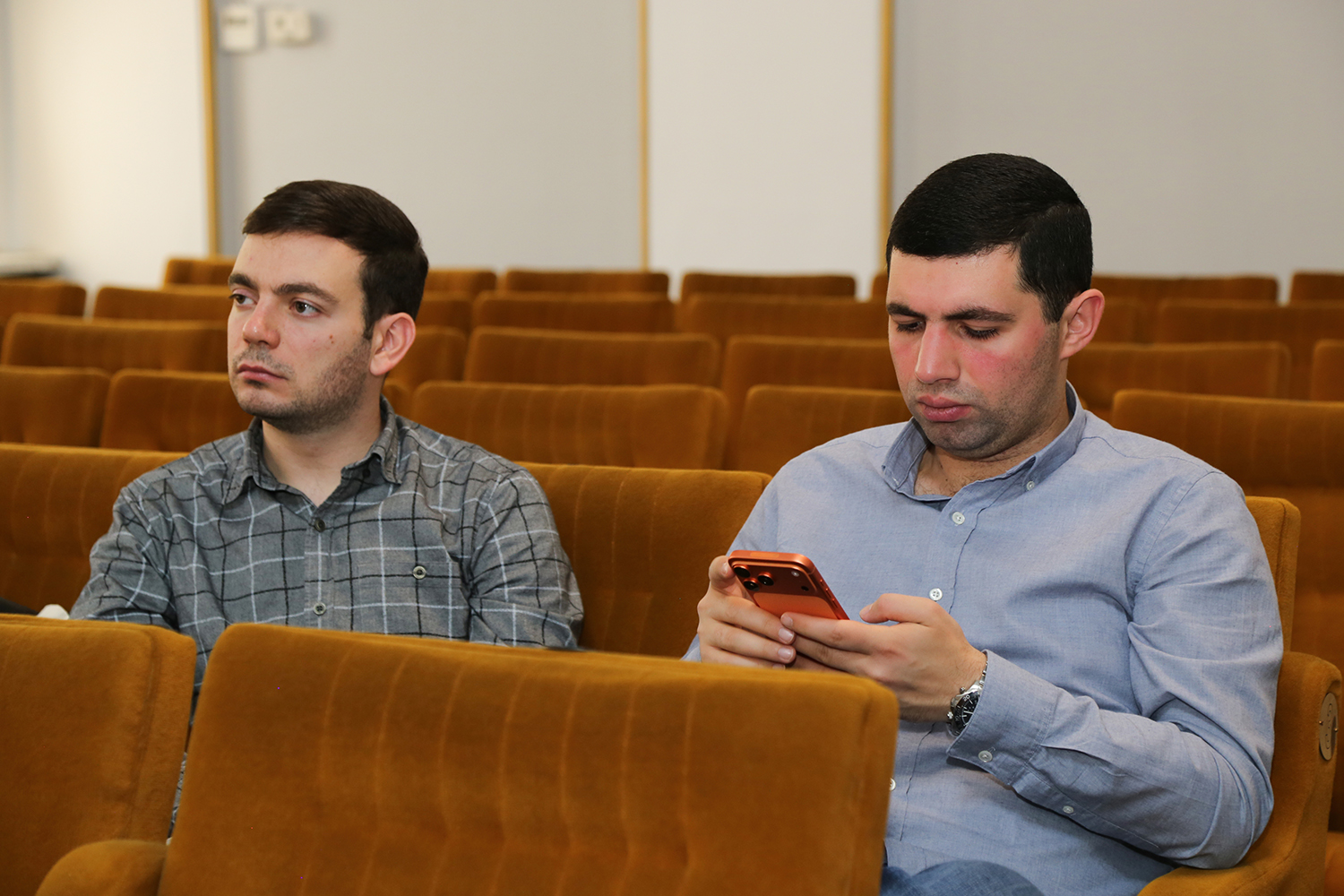
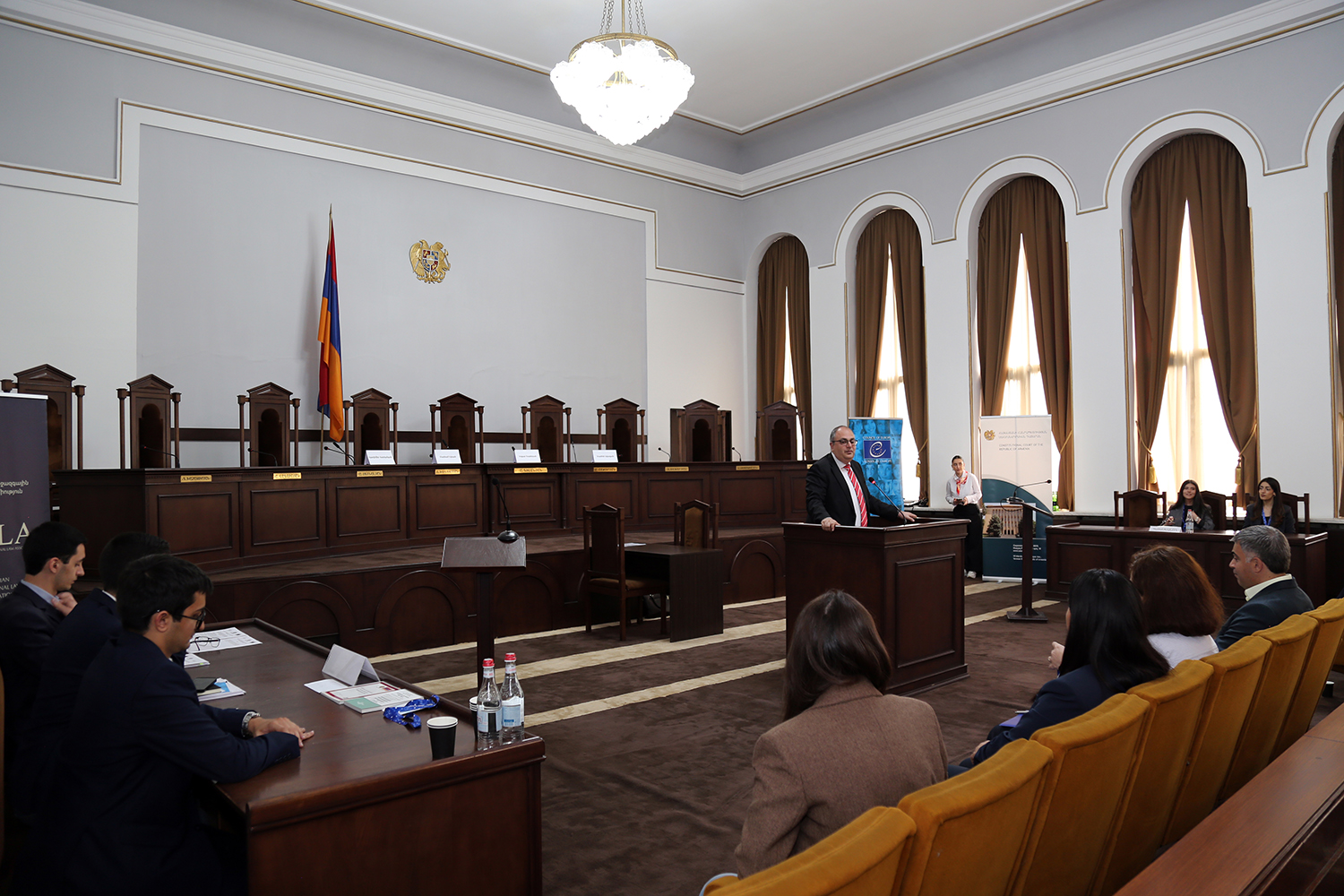
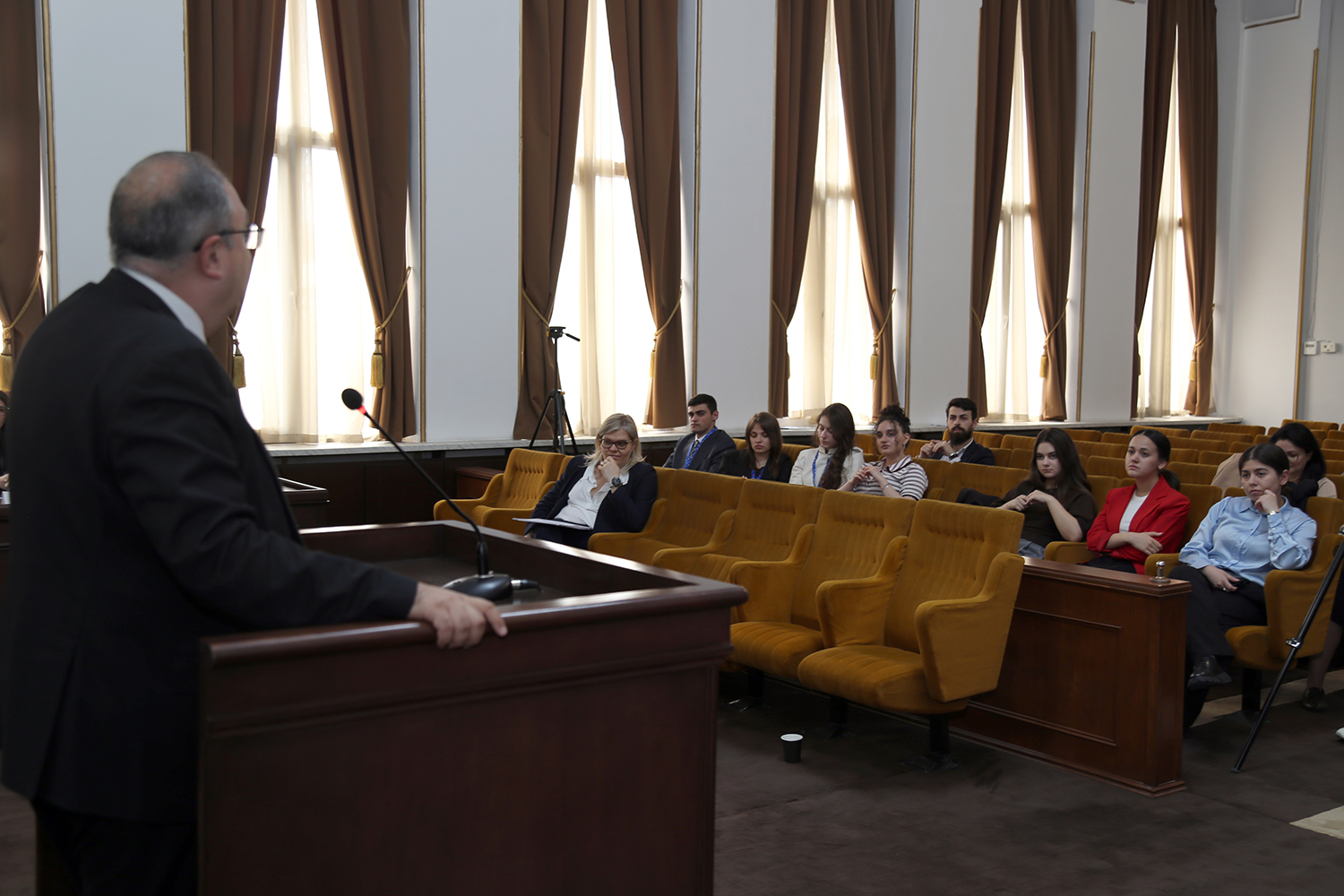
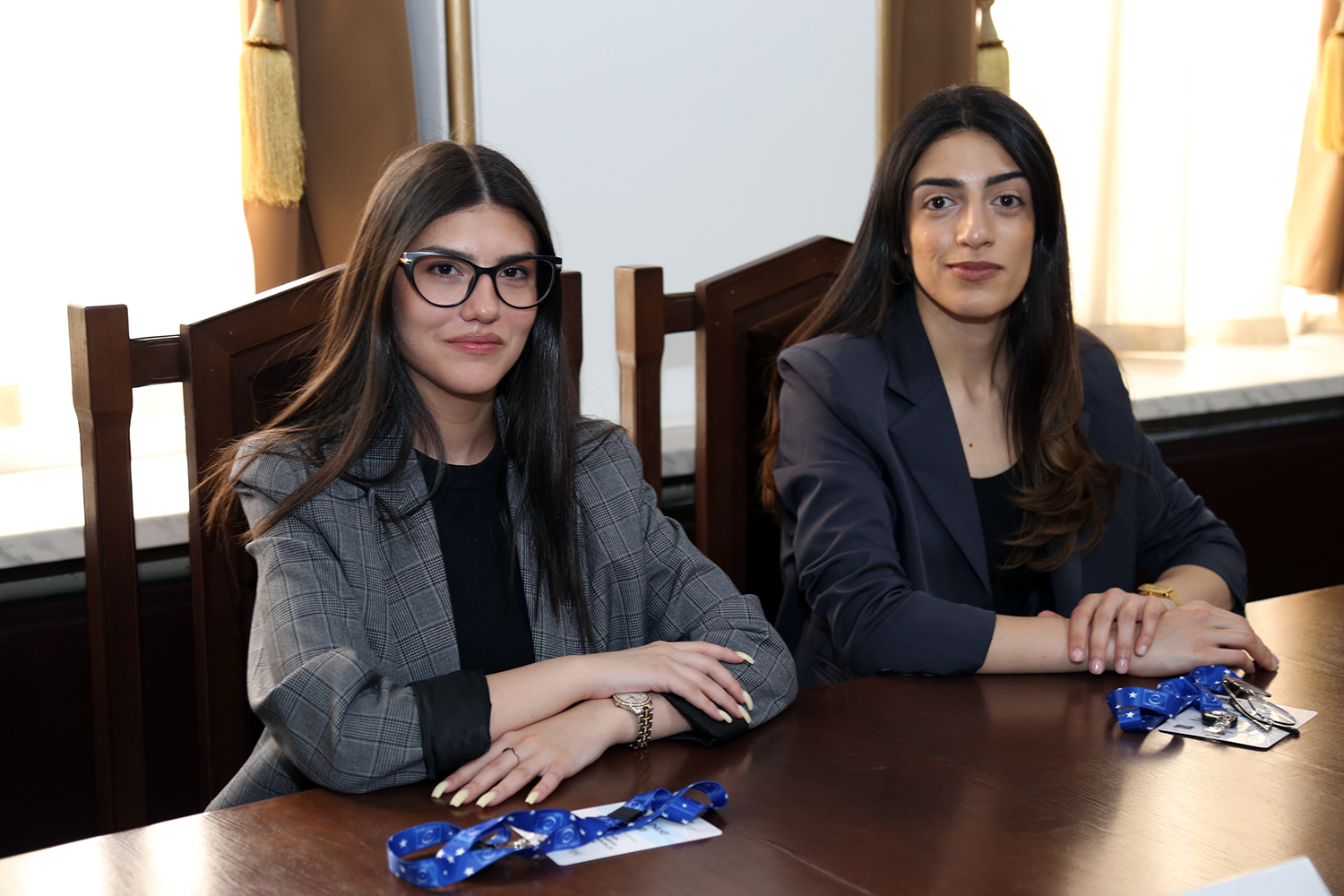
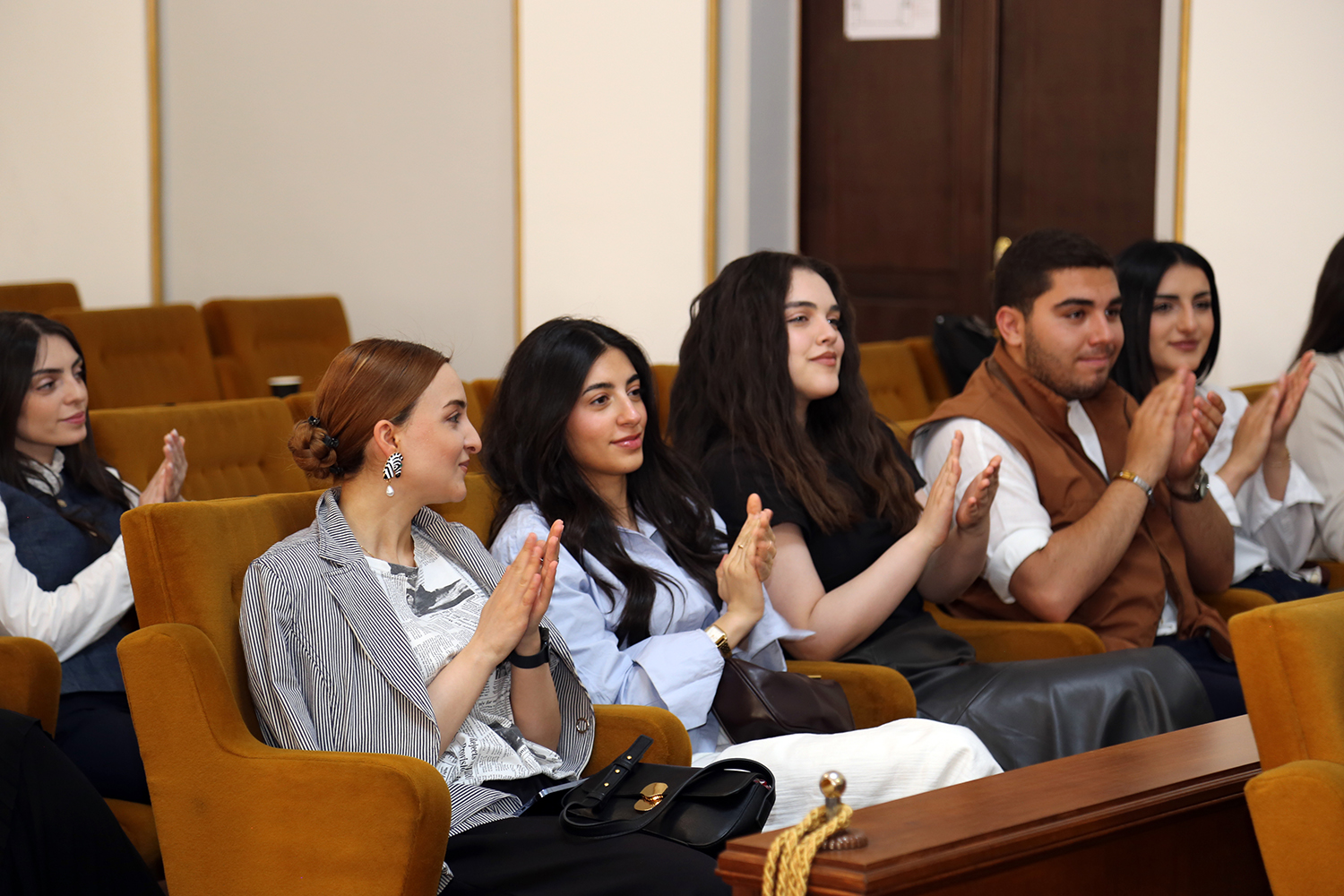
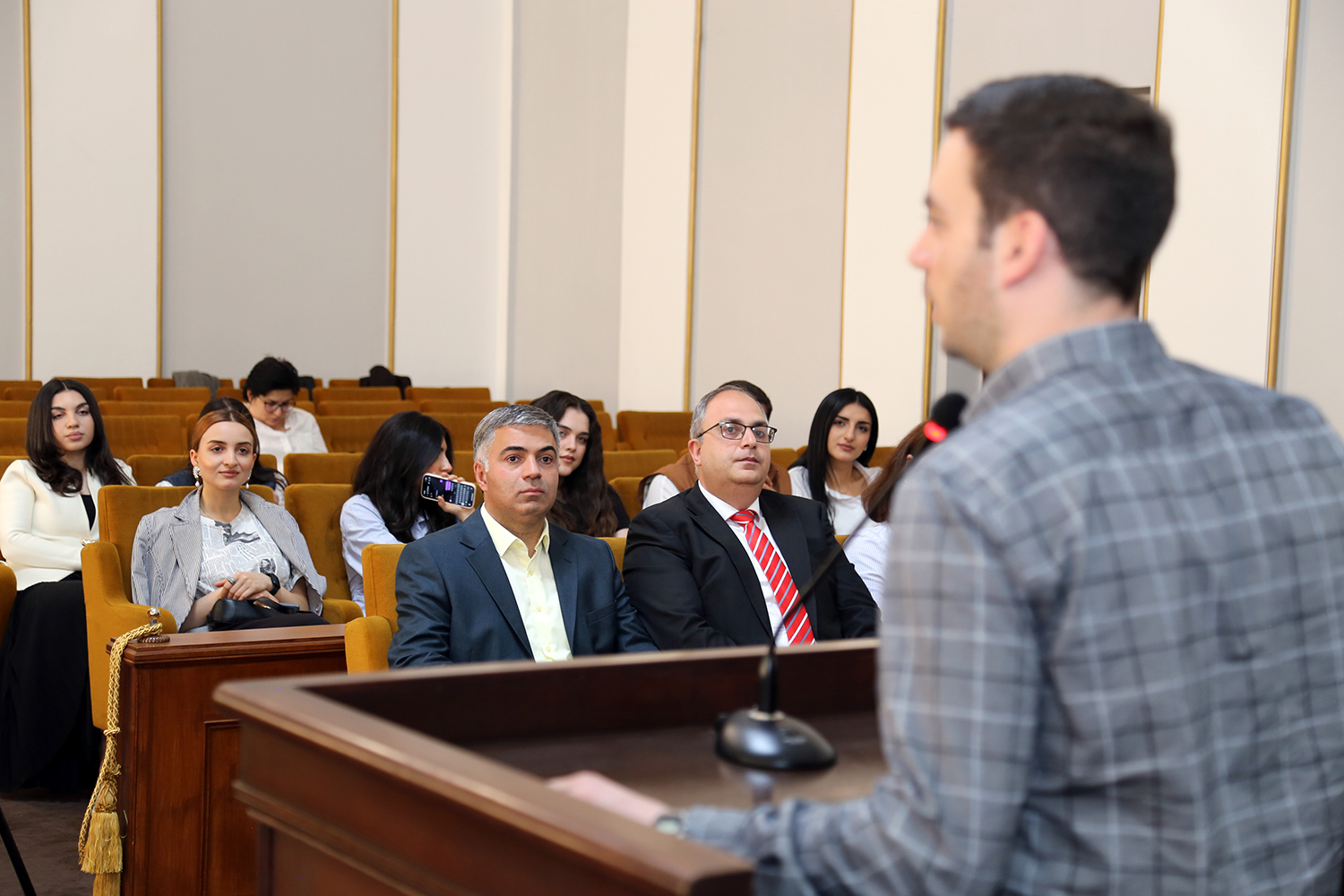
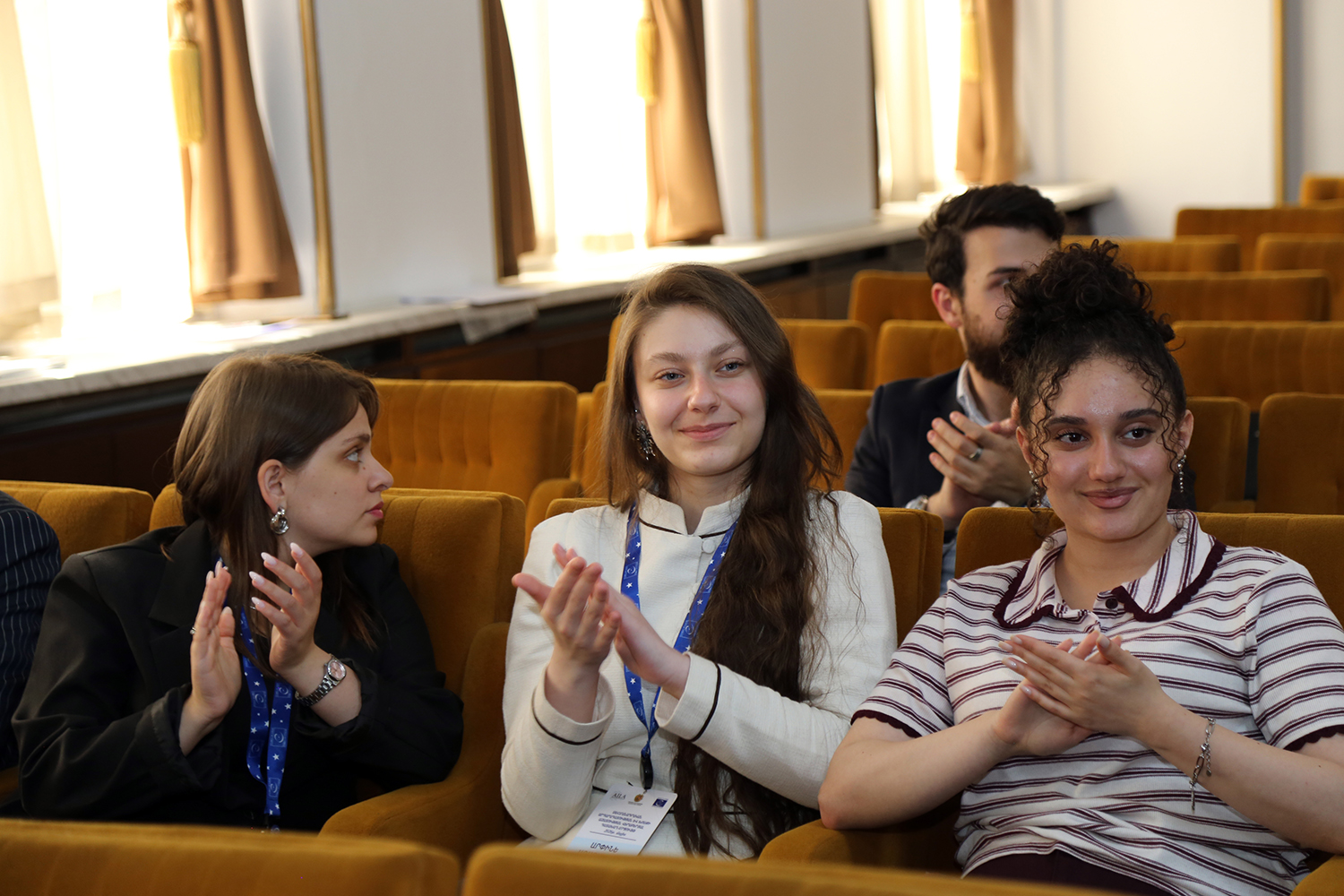
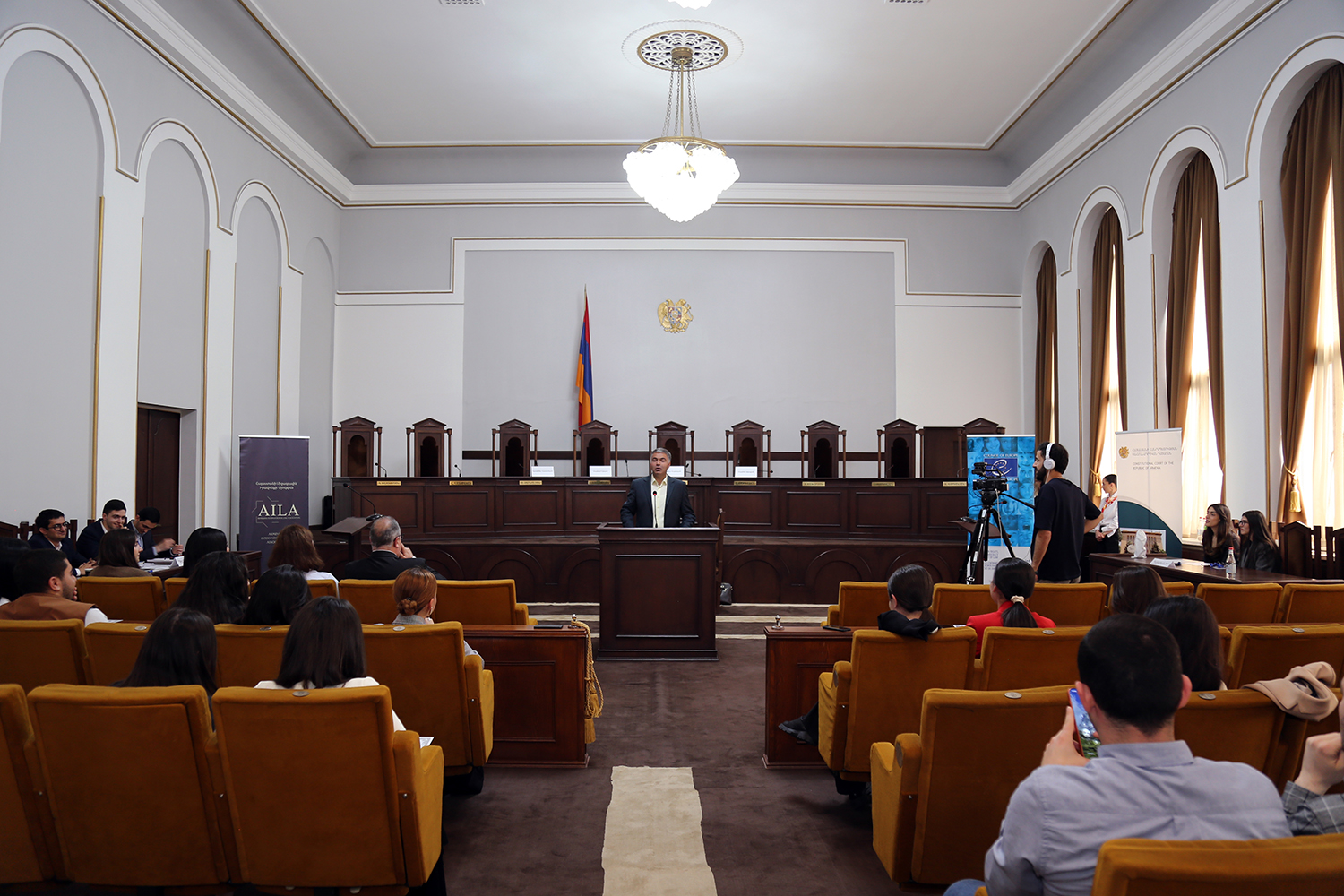
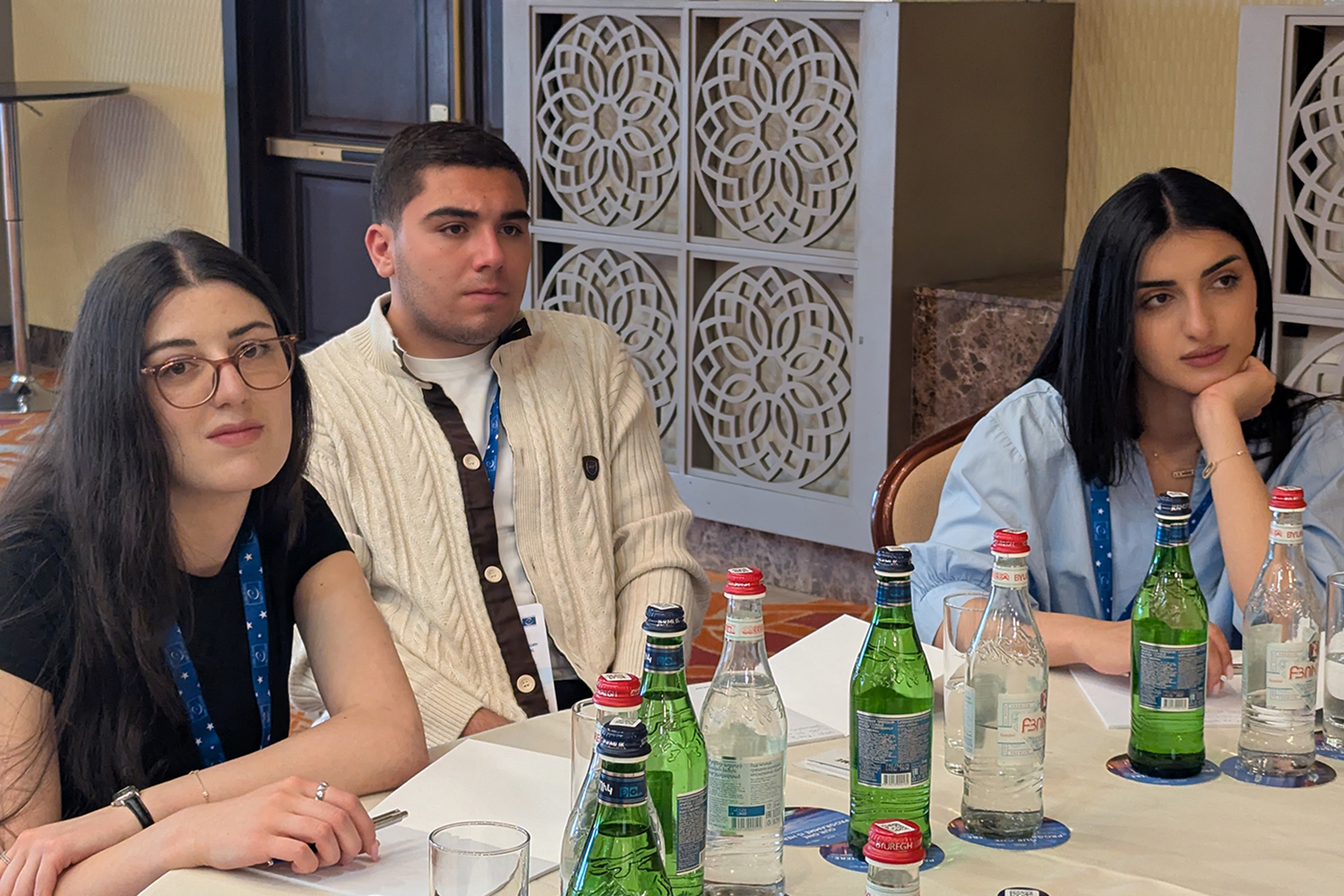
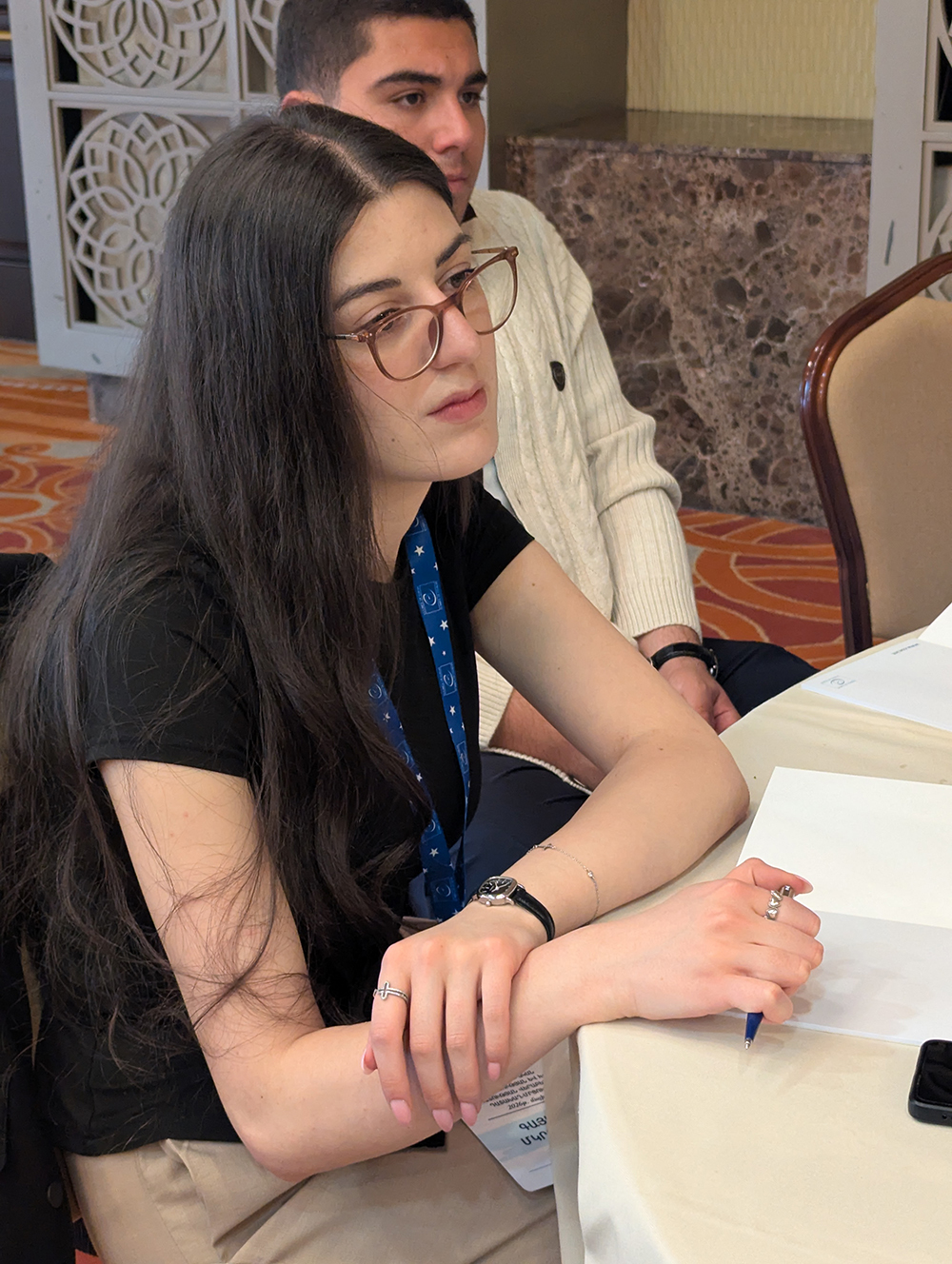
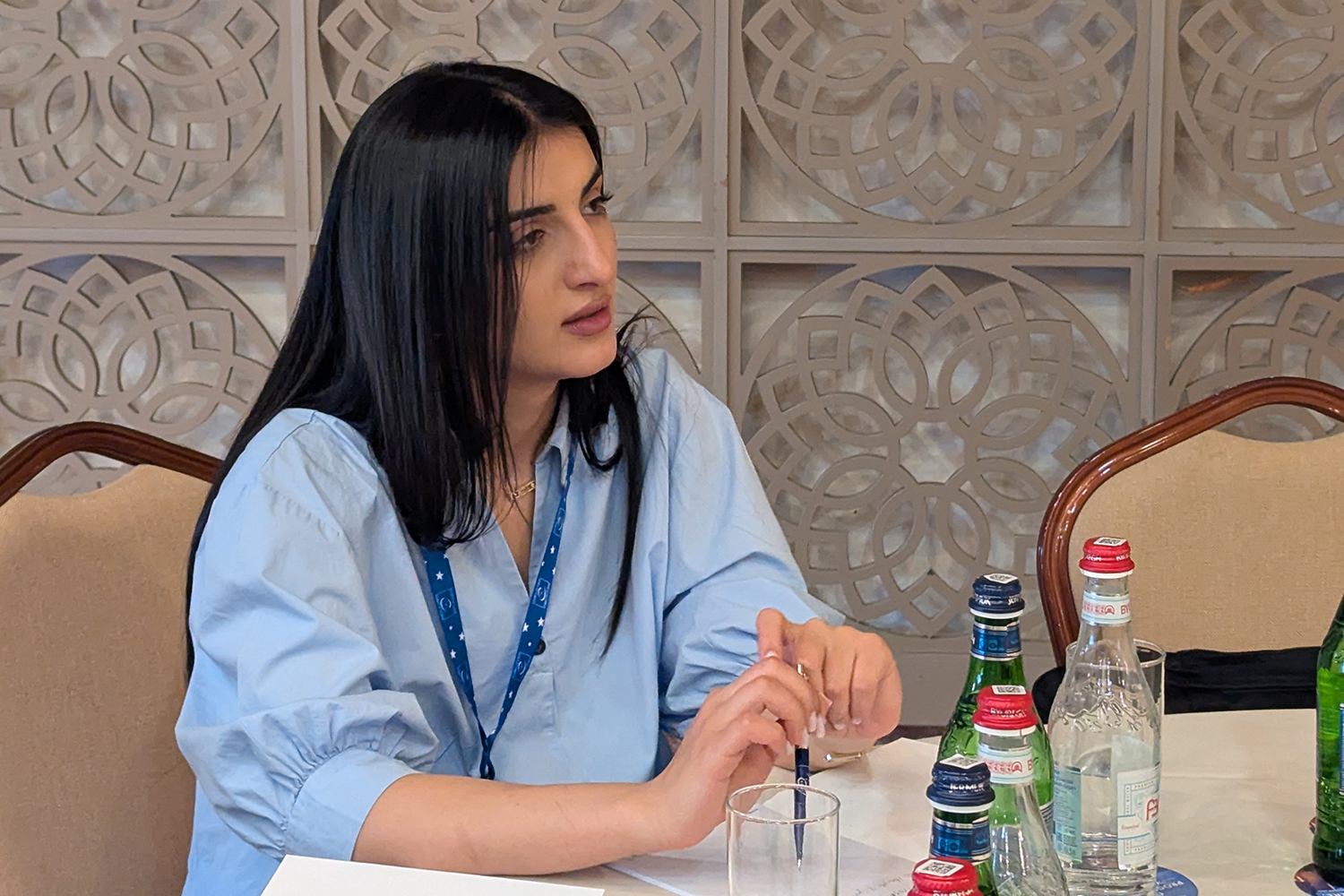
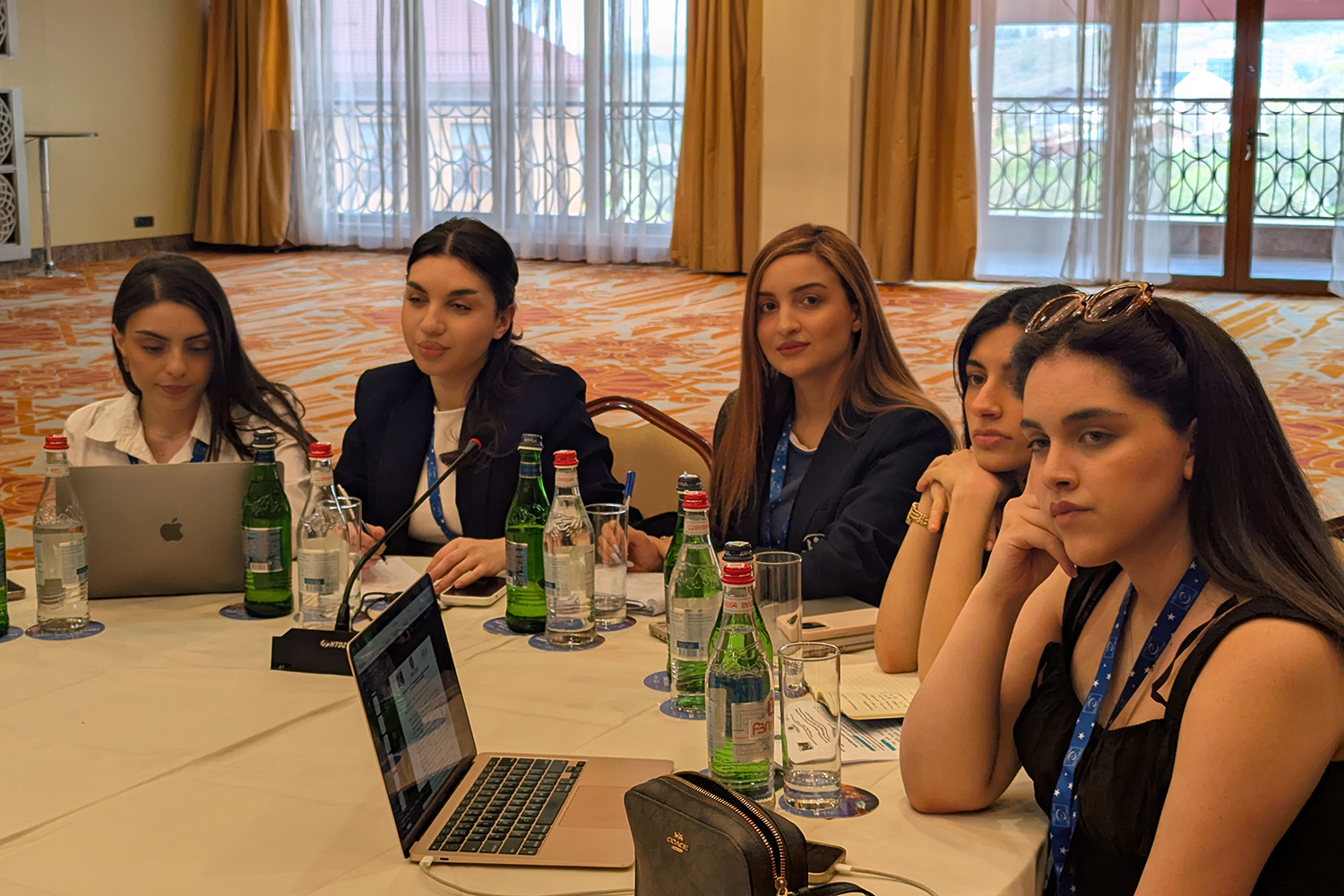
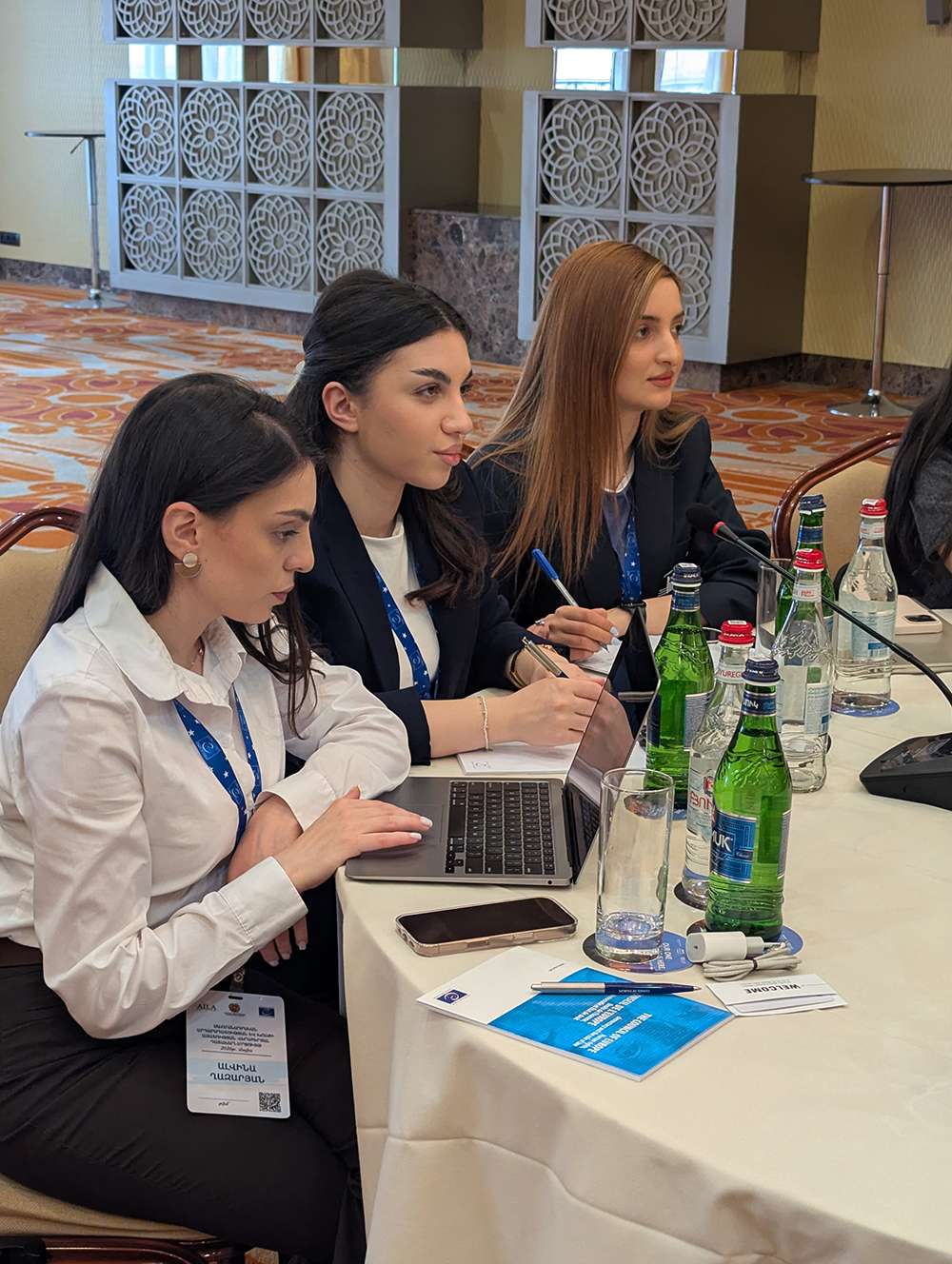
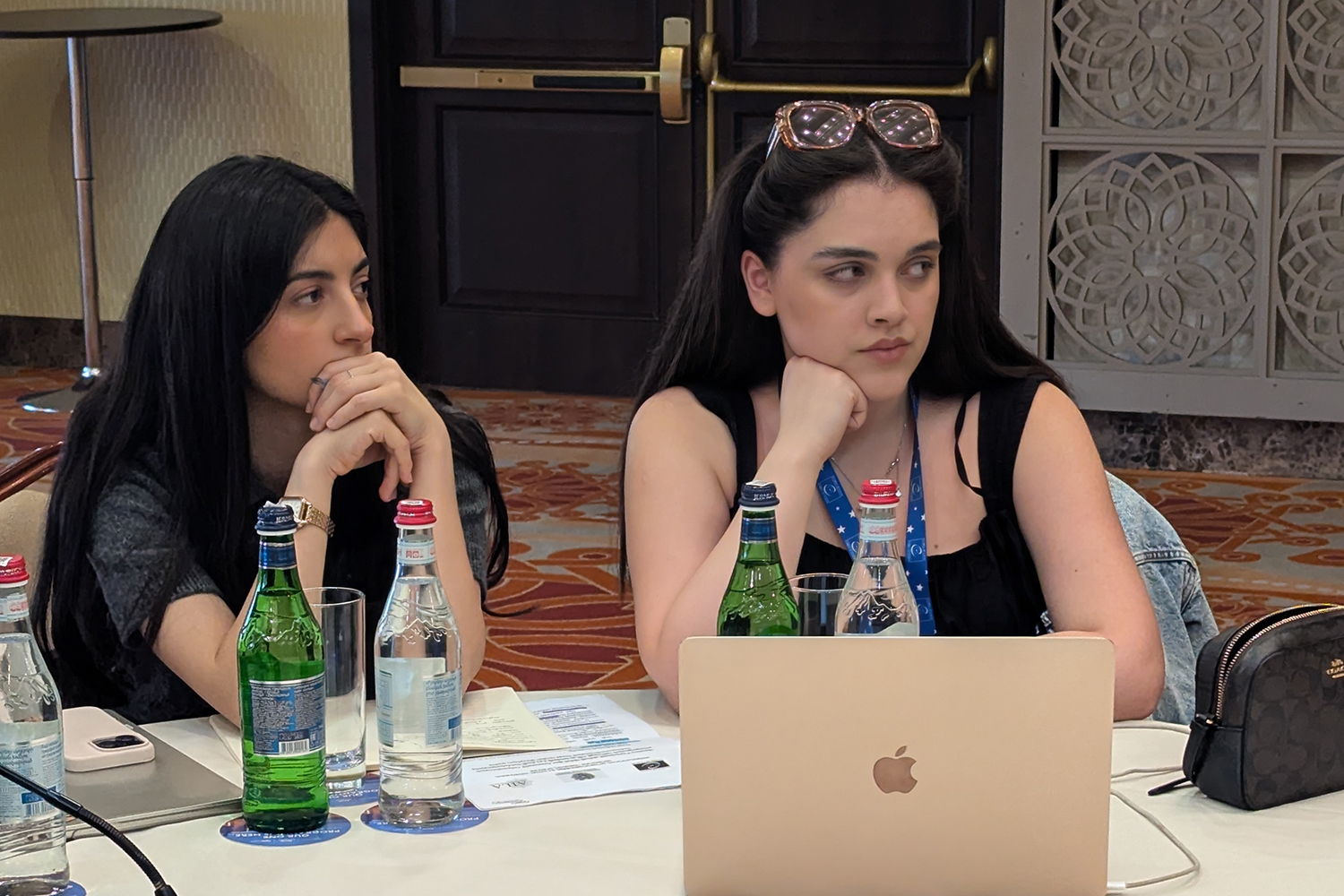
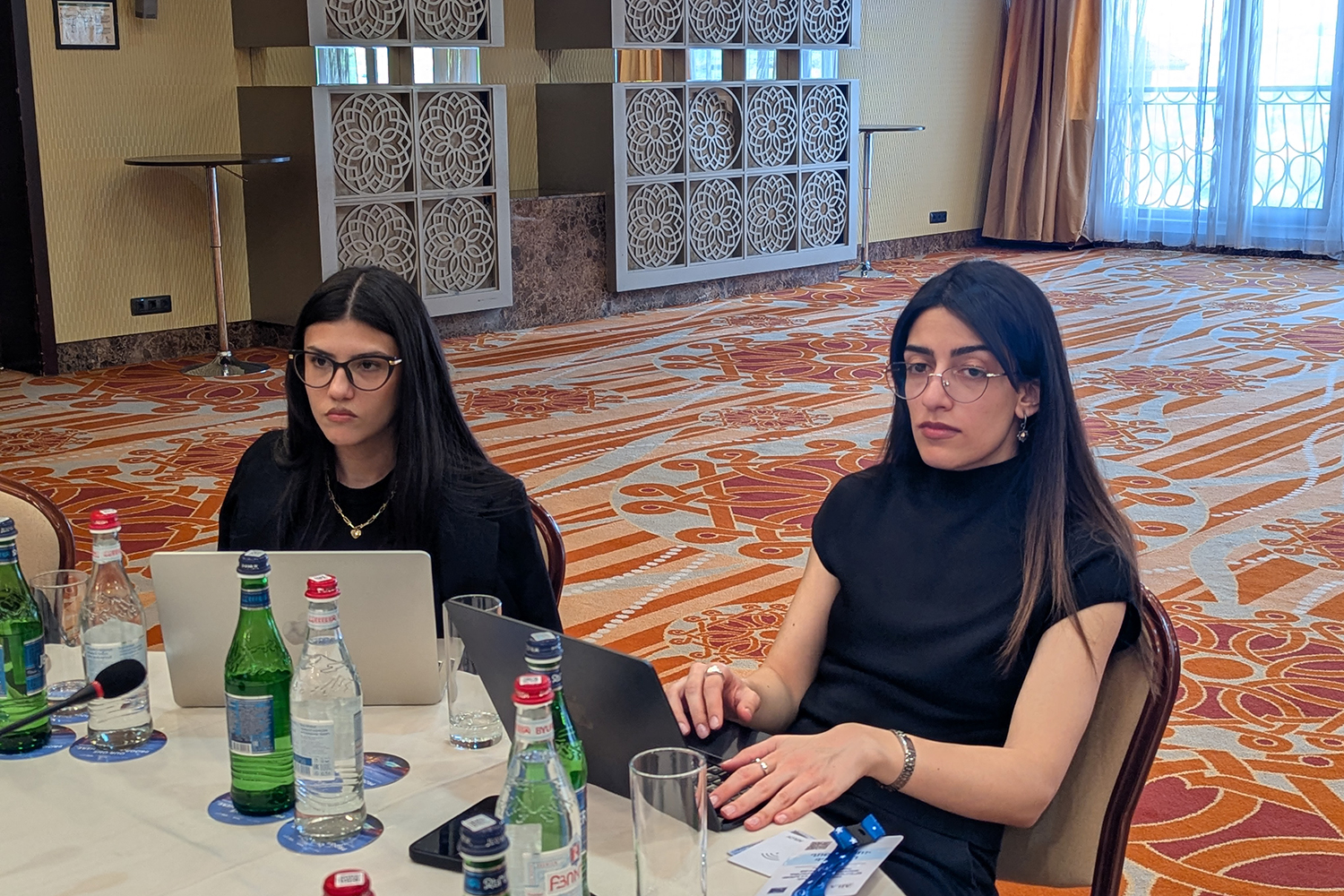
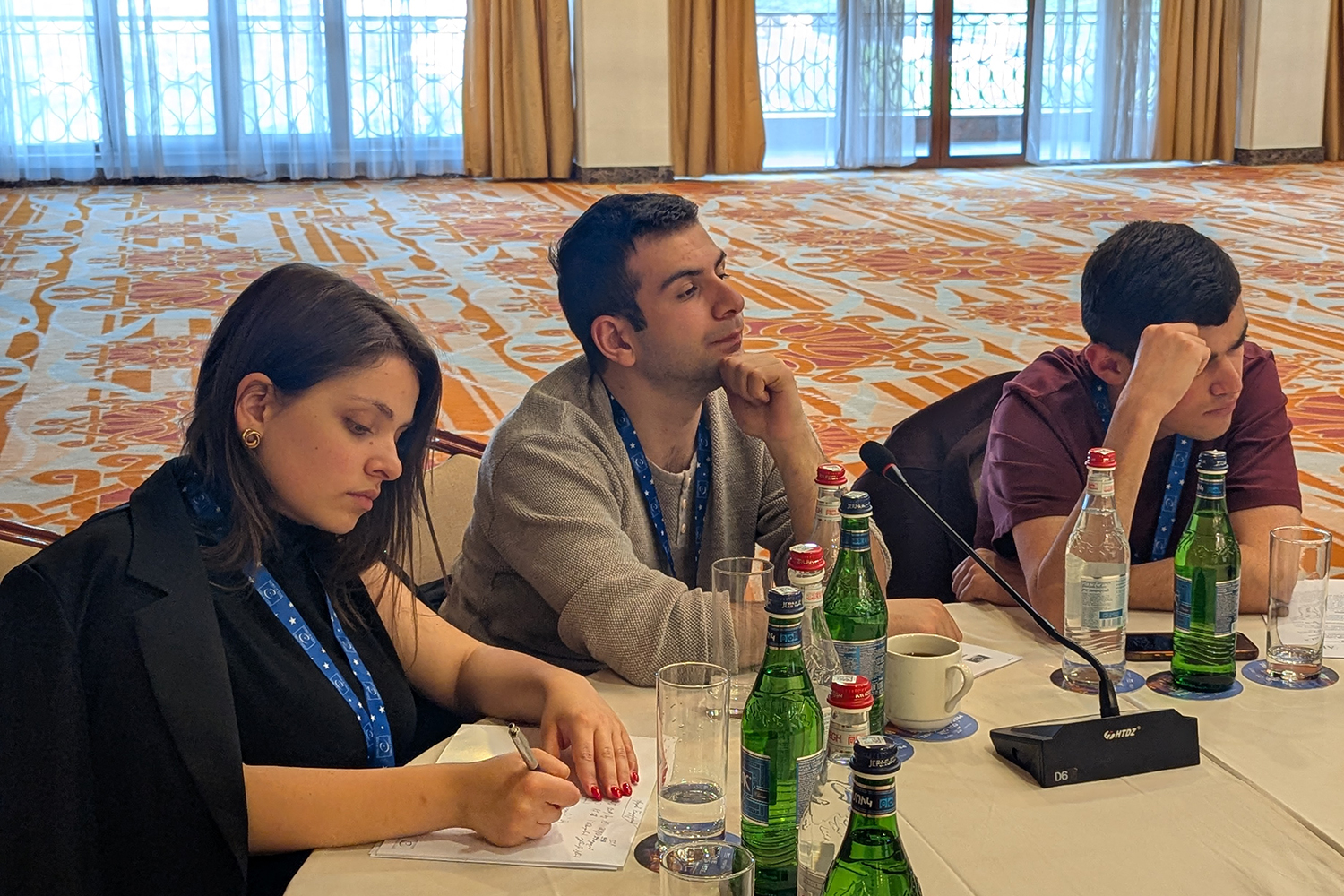
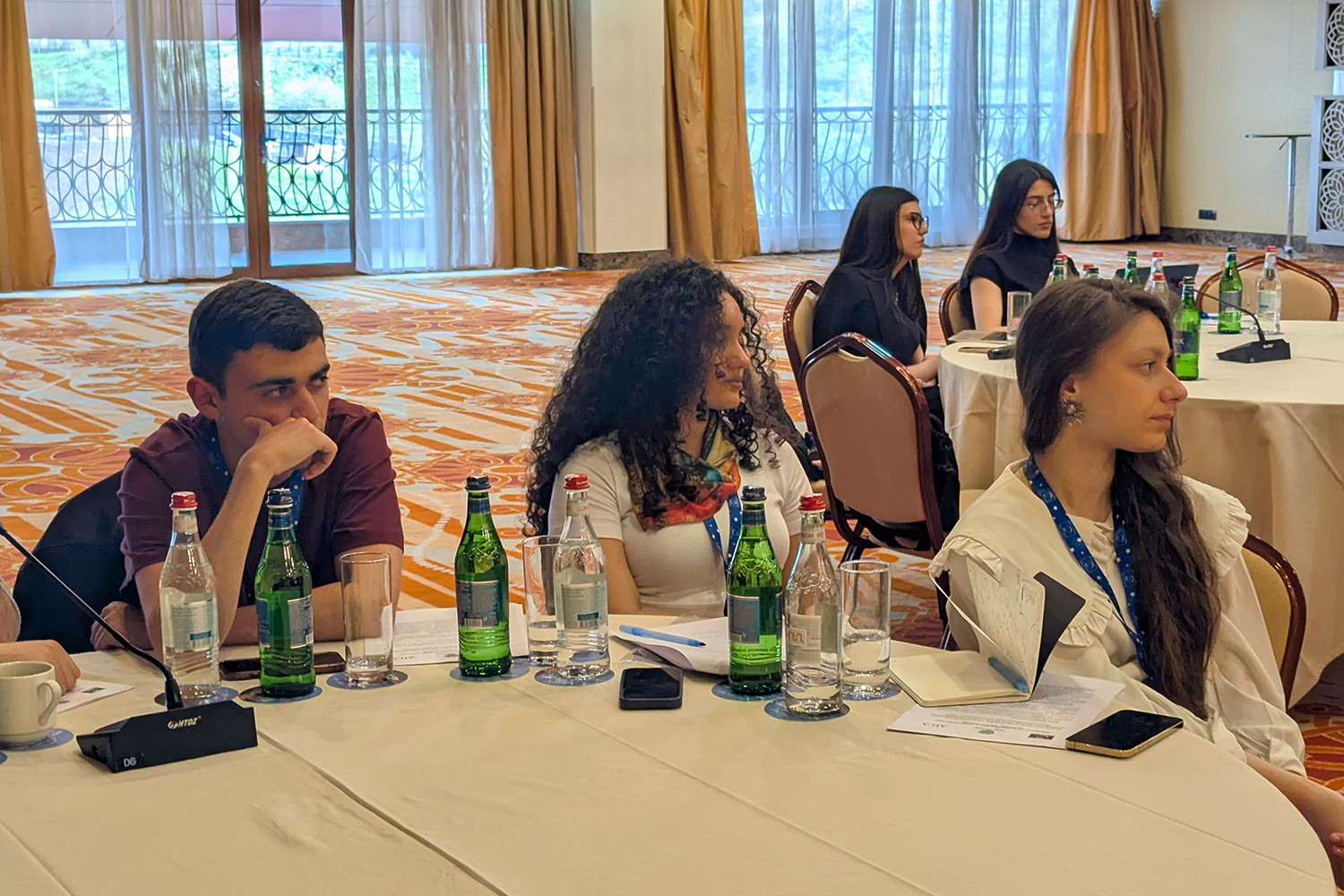
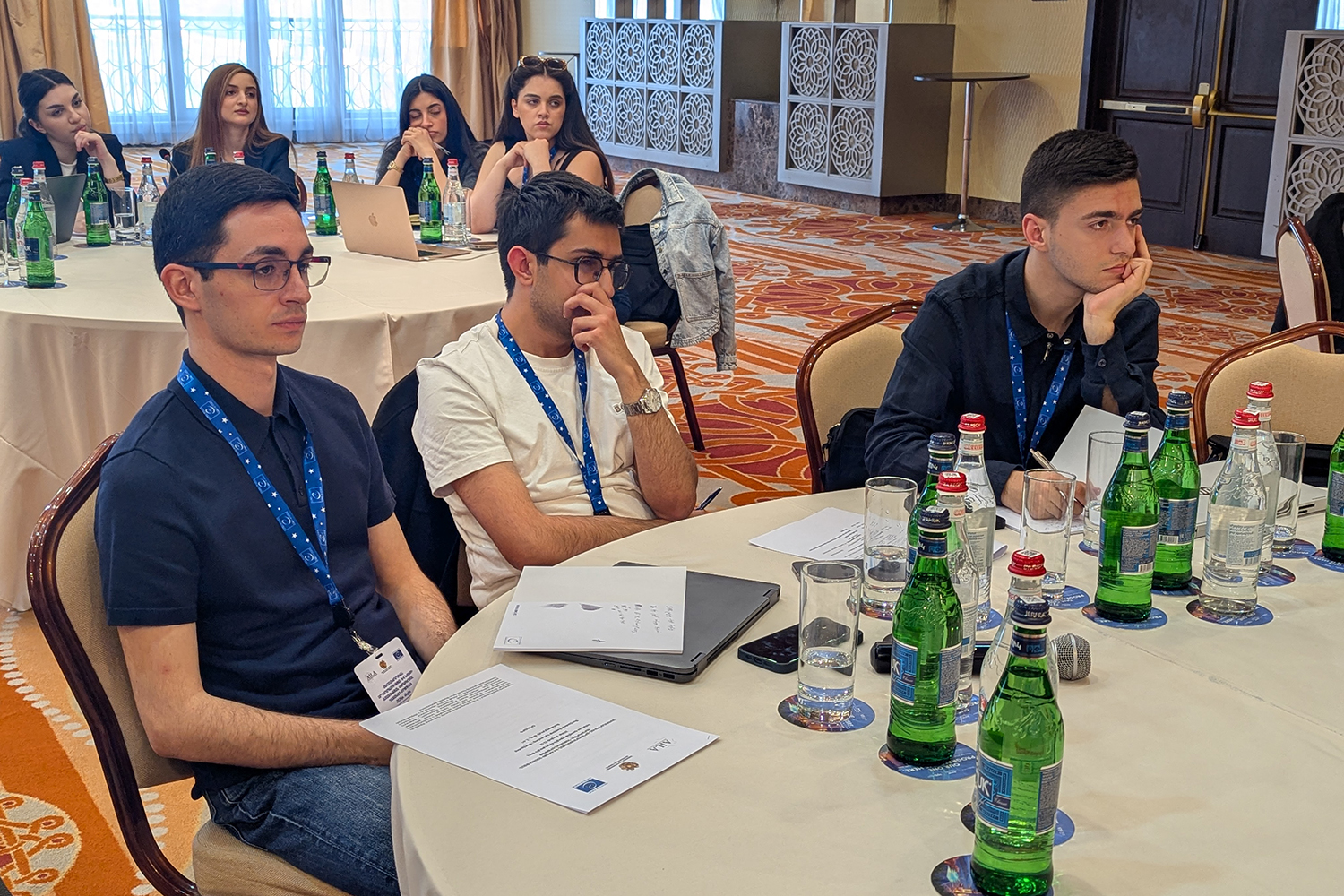
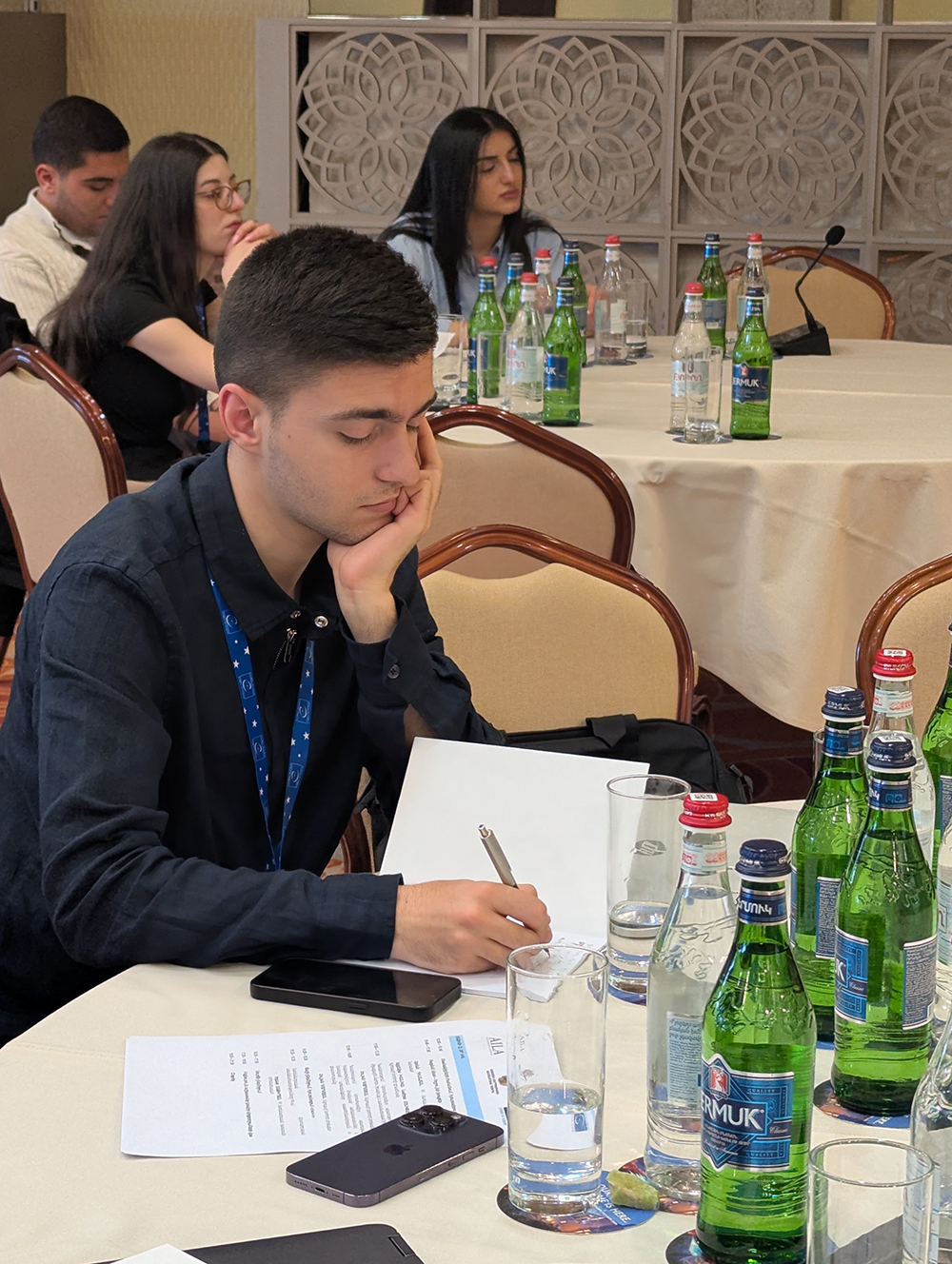
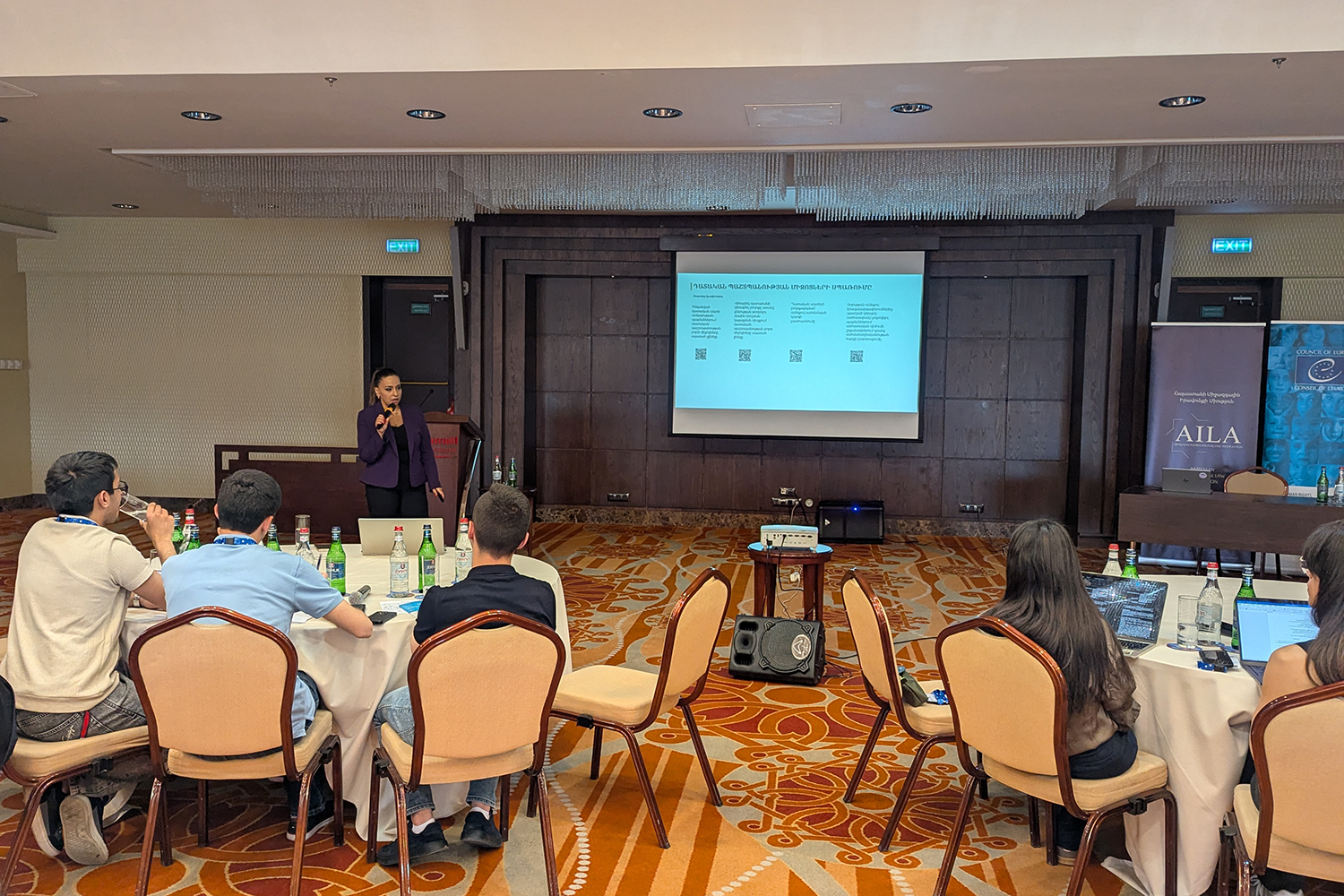
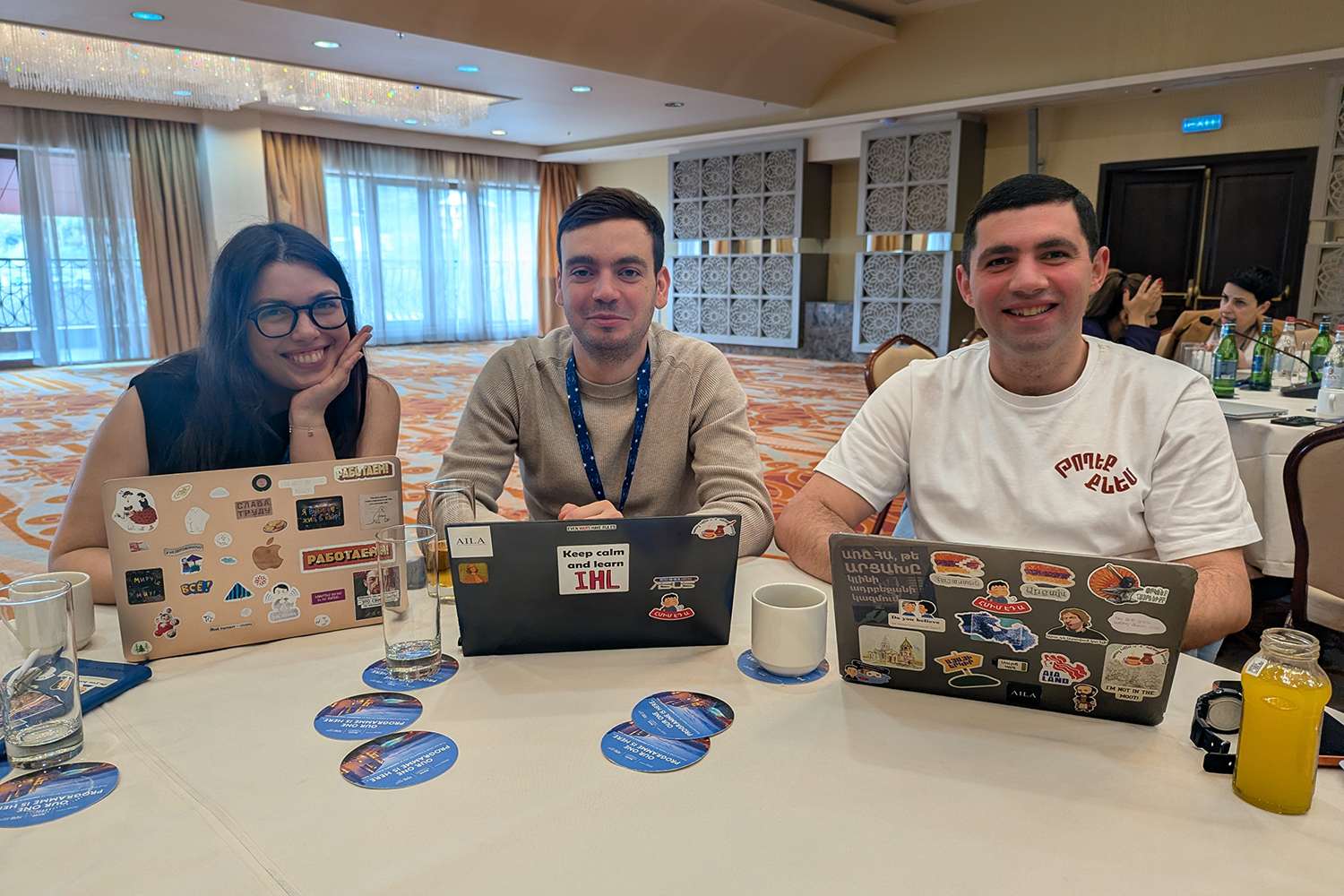
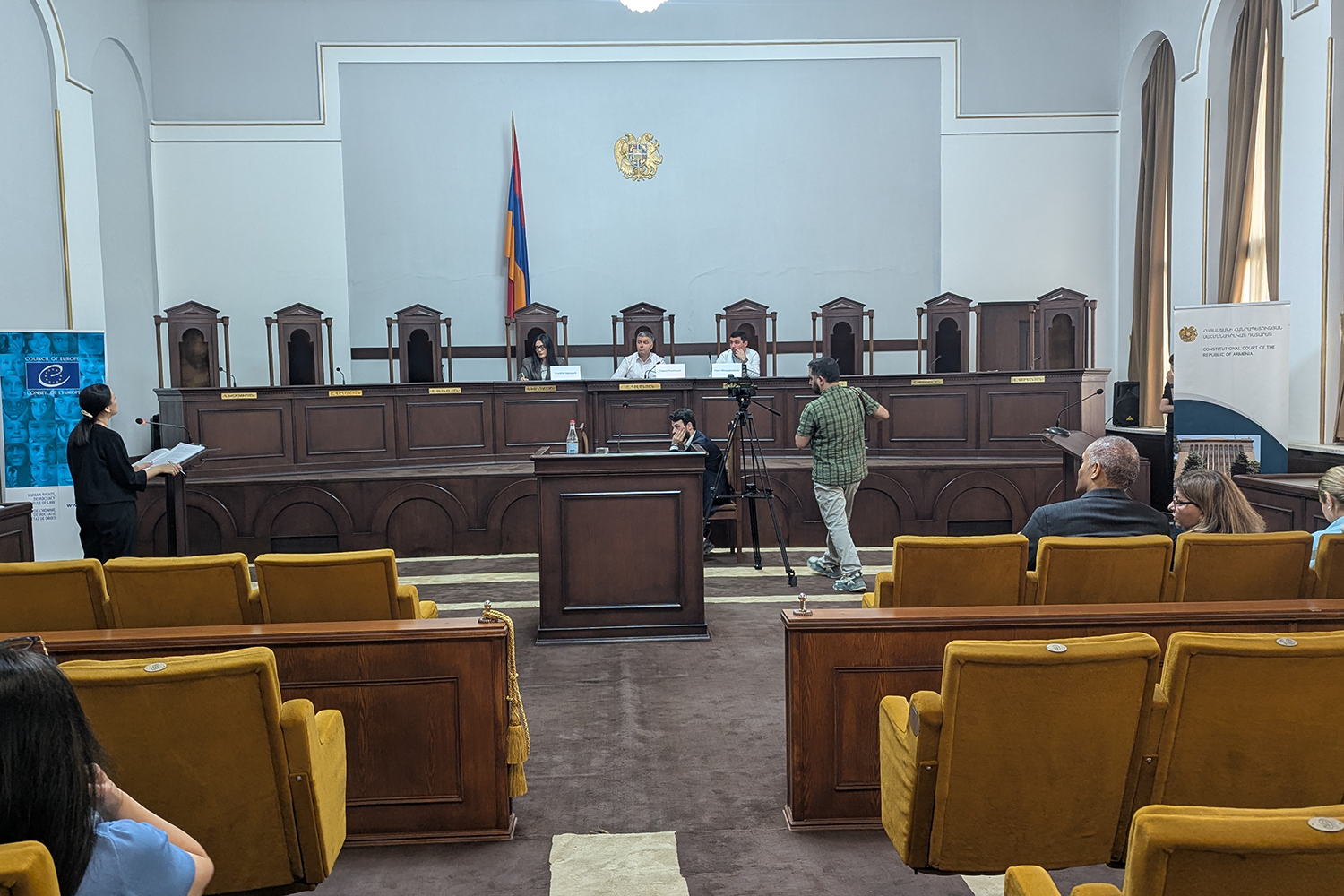
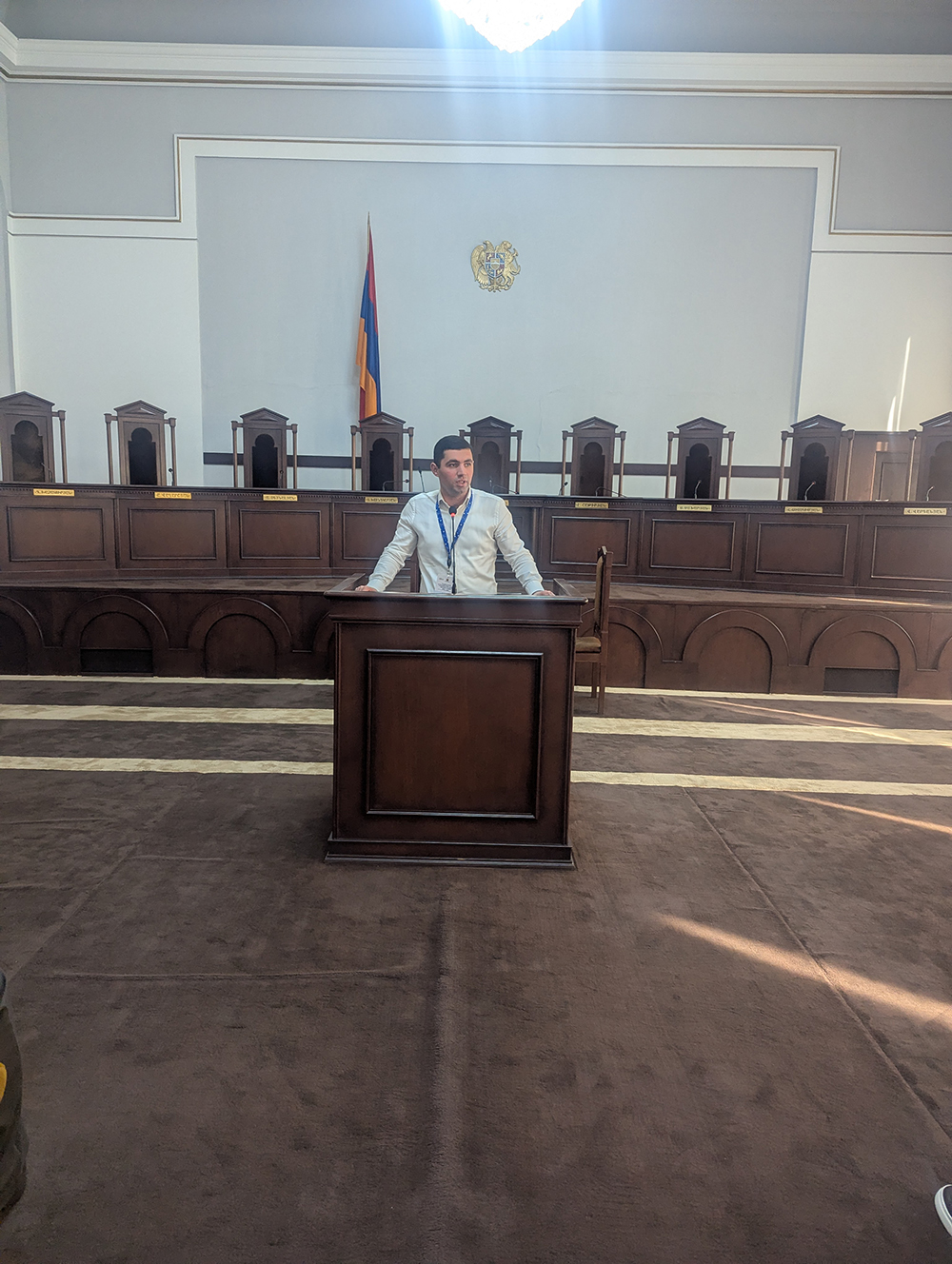
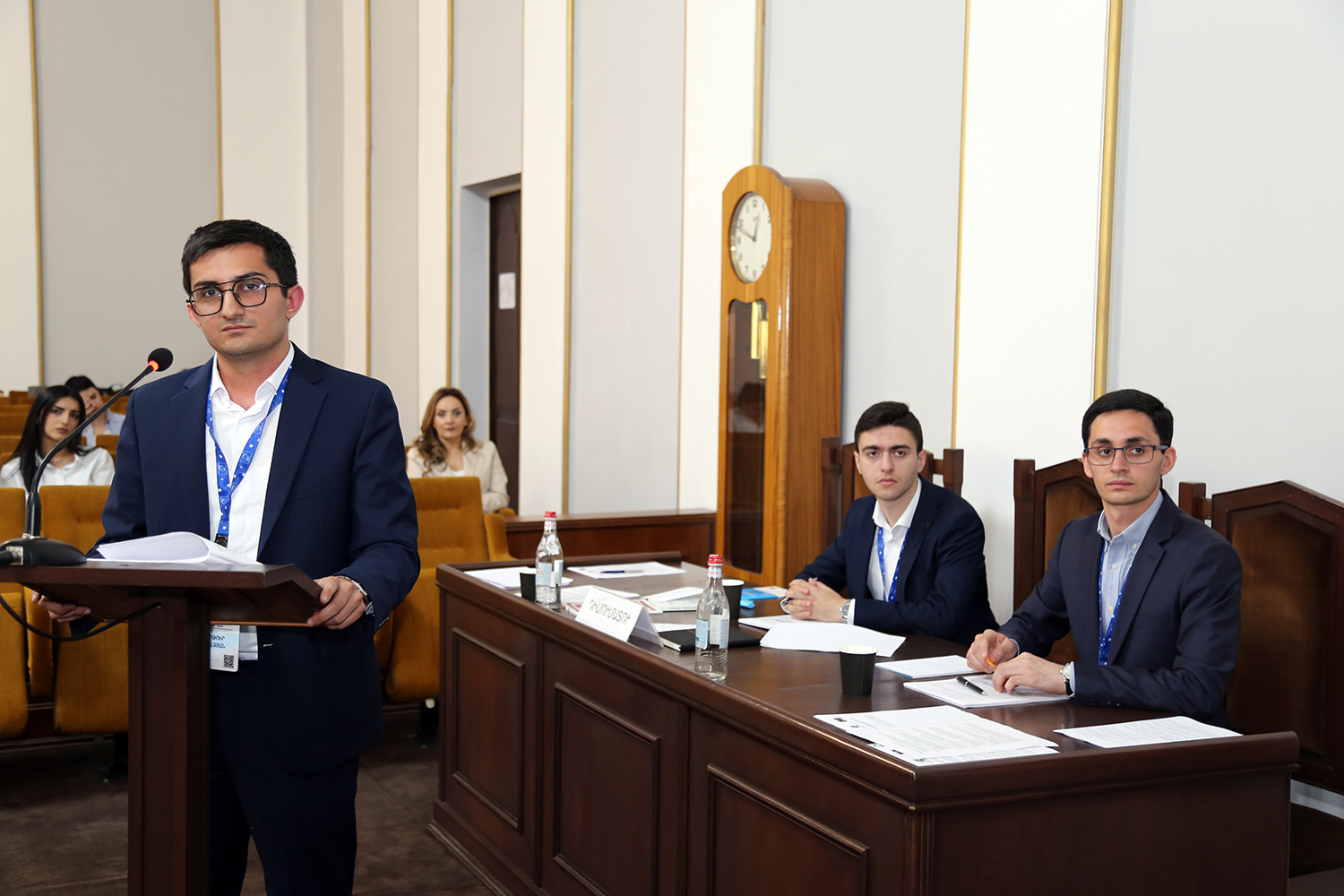
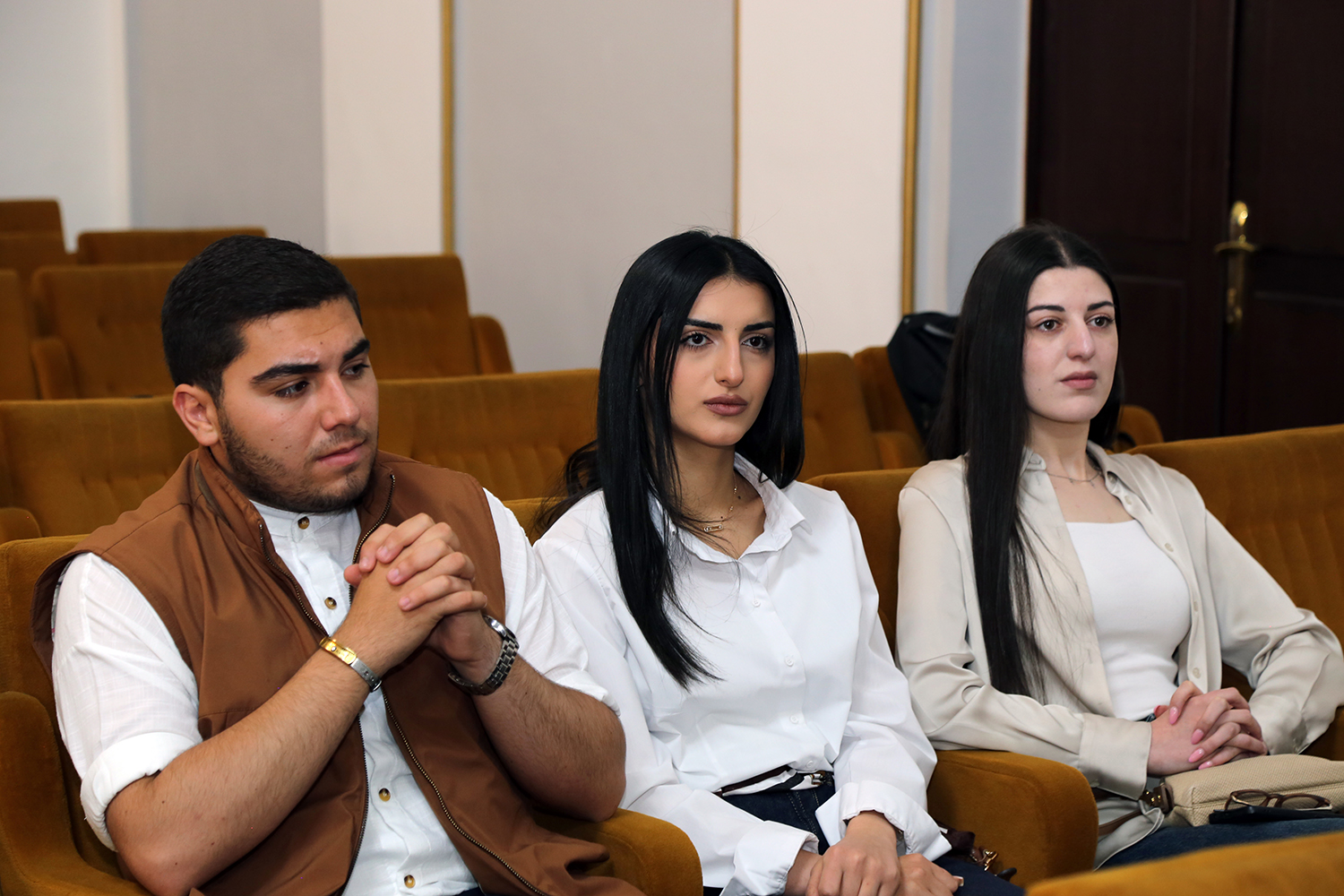
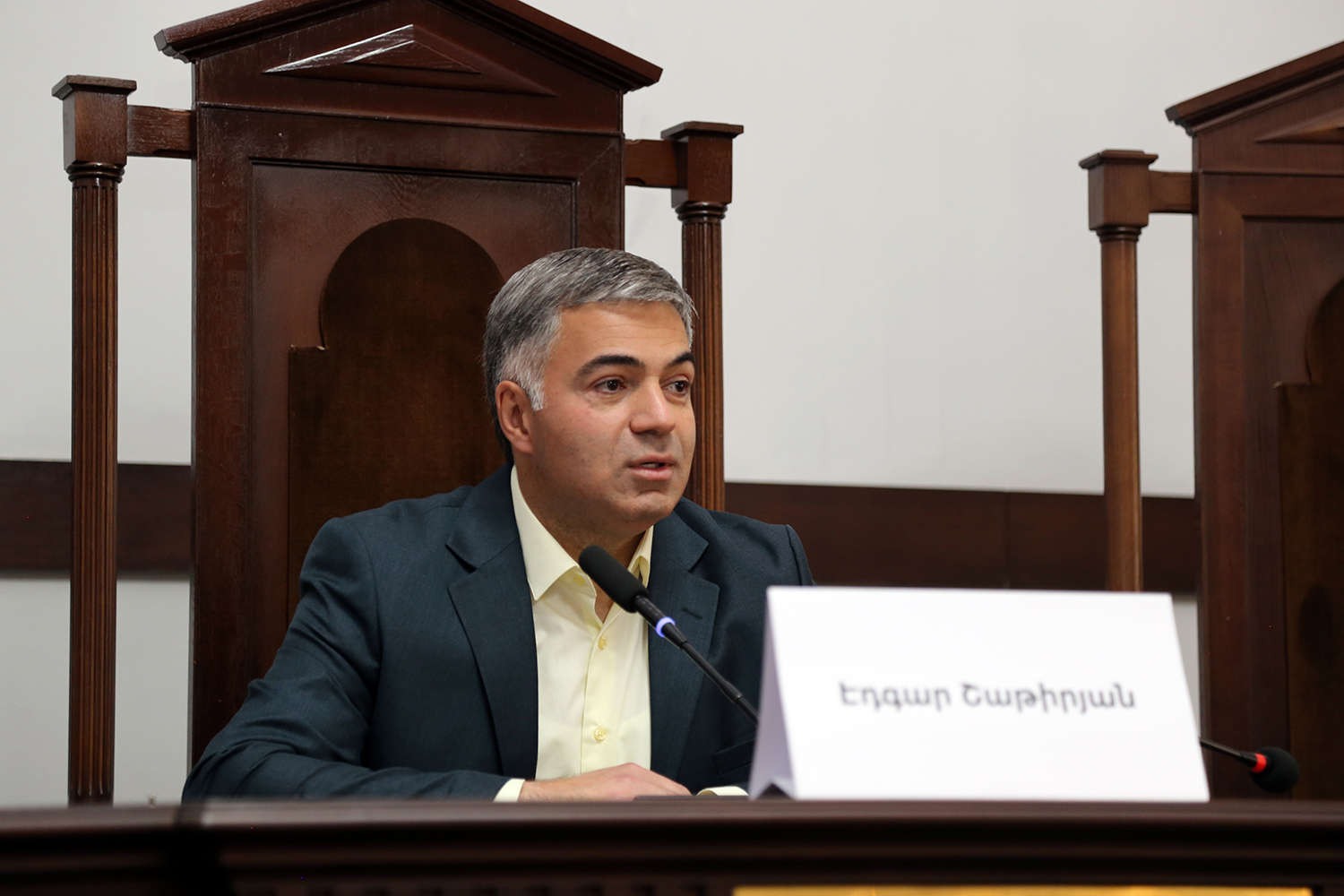
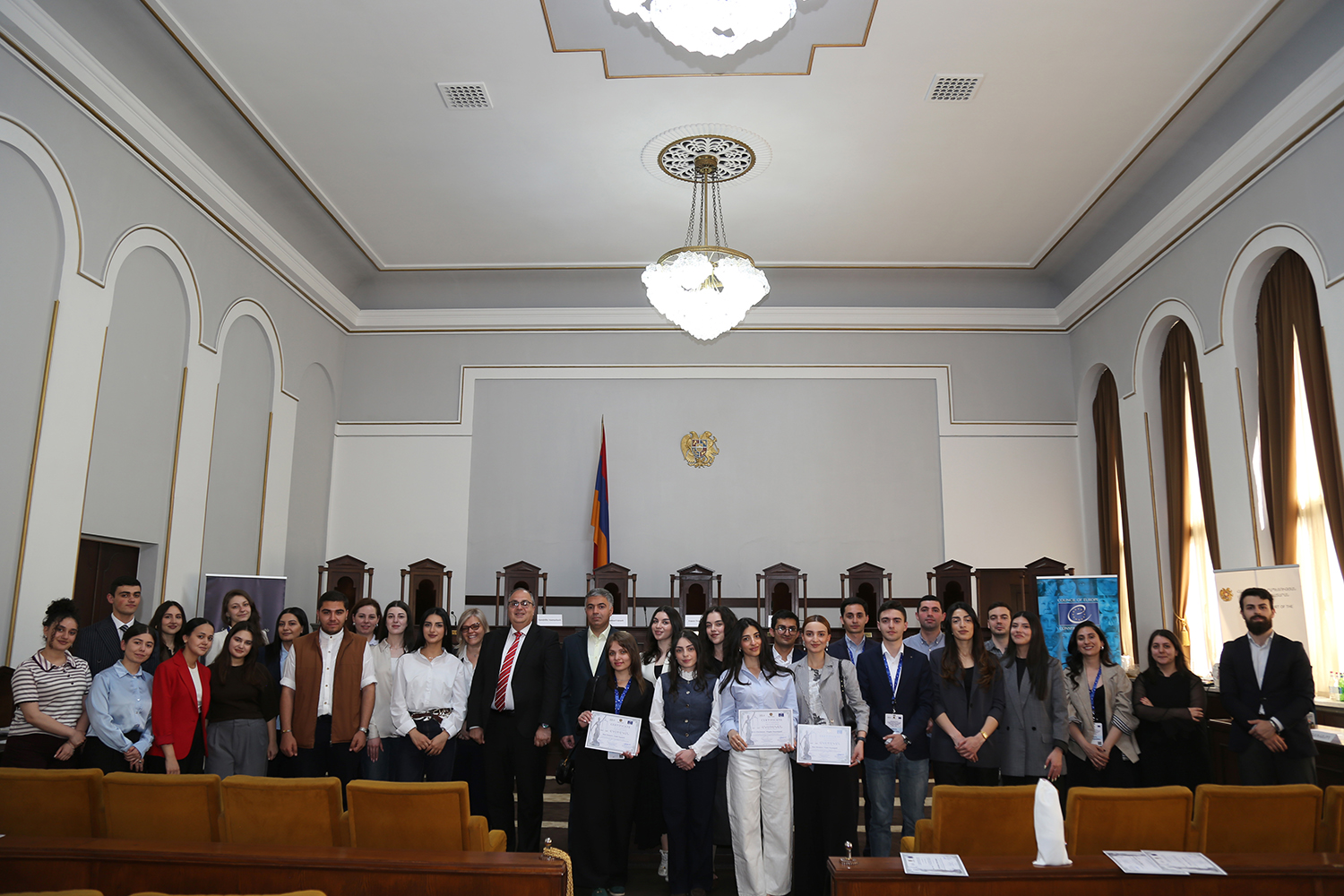
On 29–30 May 2026, the oral hearings phase of the Moot Court Competition on Constitutional Justice and Freedom of Expression was held at the Constitutional Court, bringing the programme’s educational and competitive components to a close.
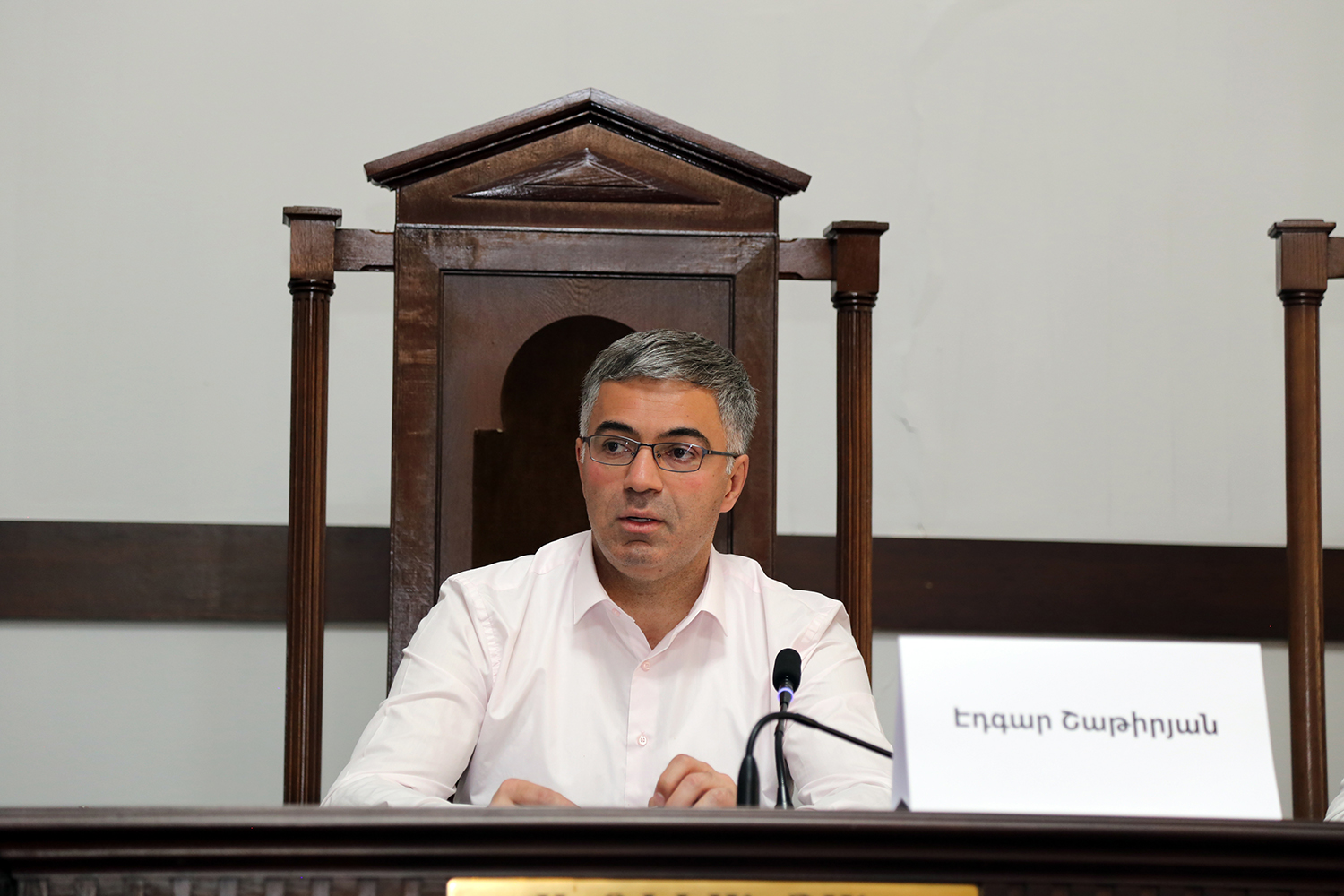
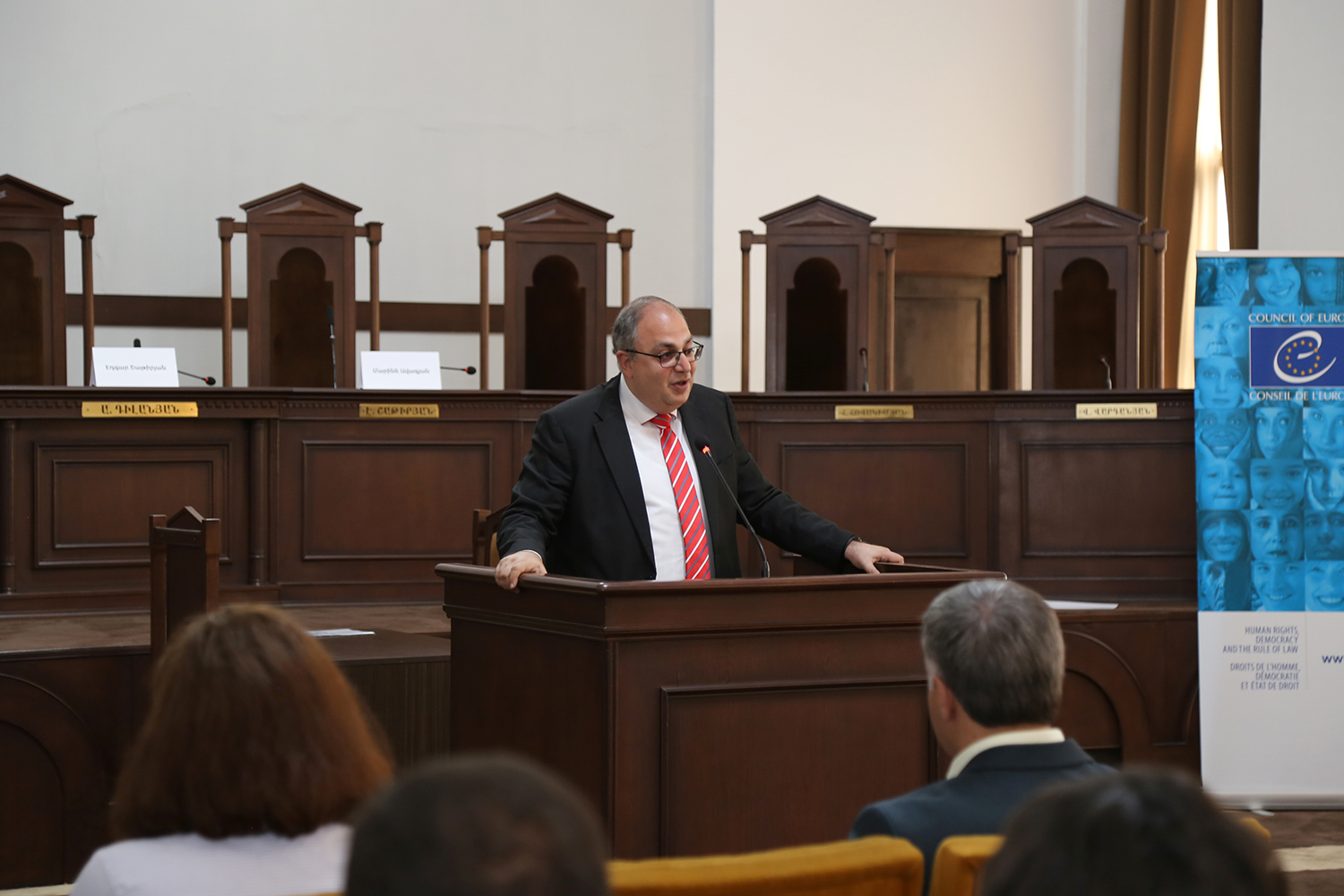
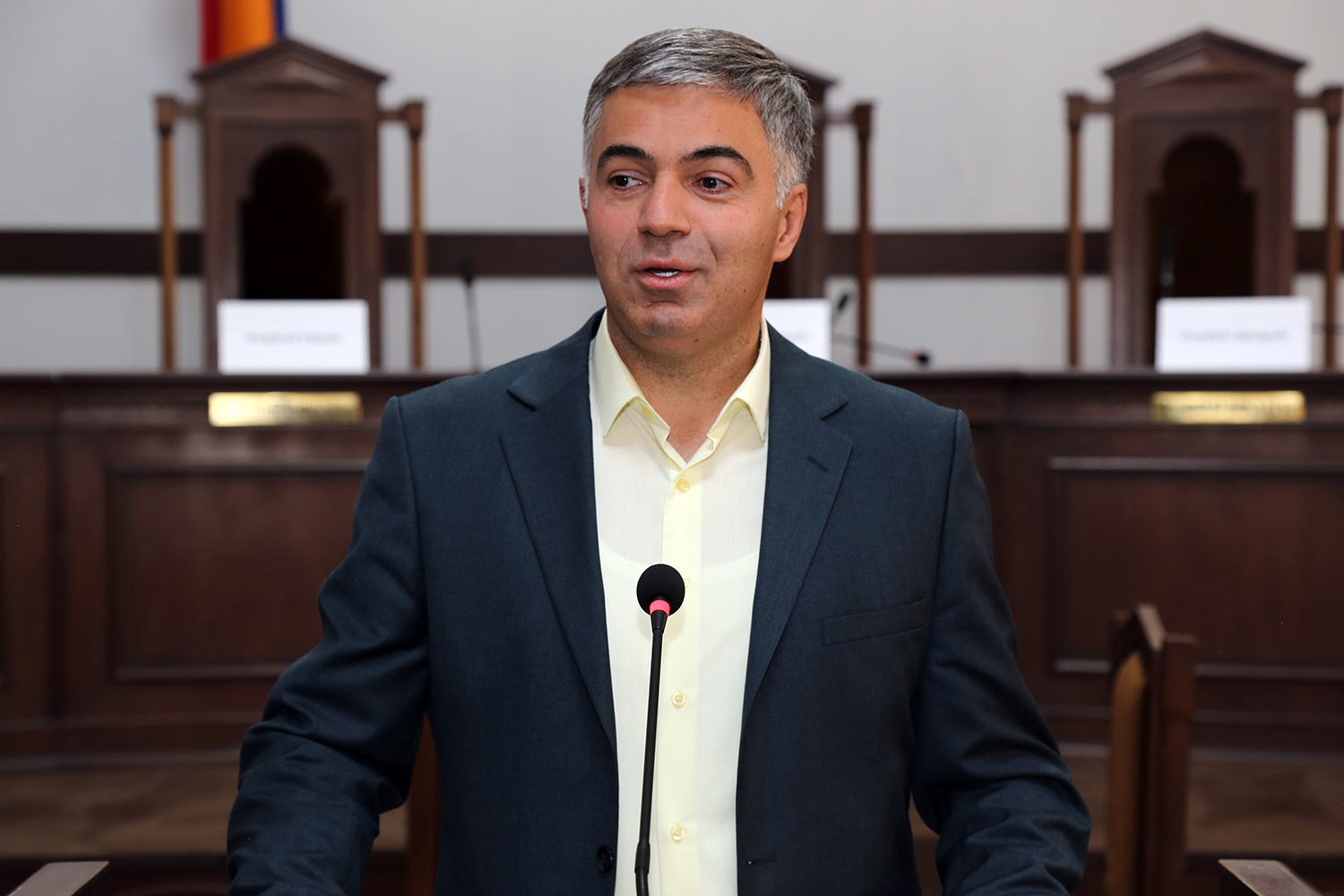
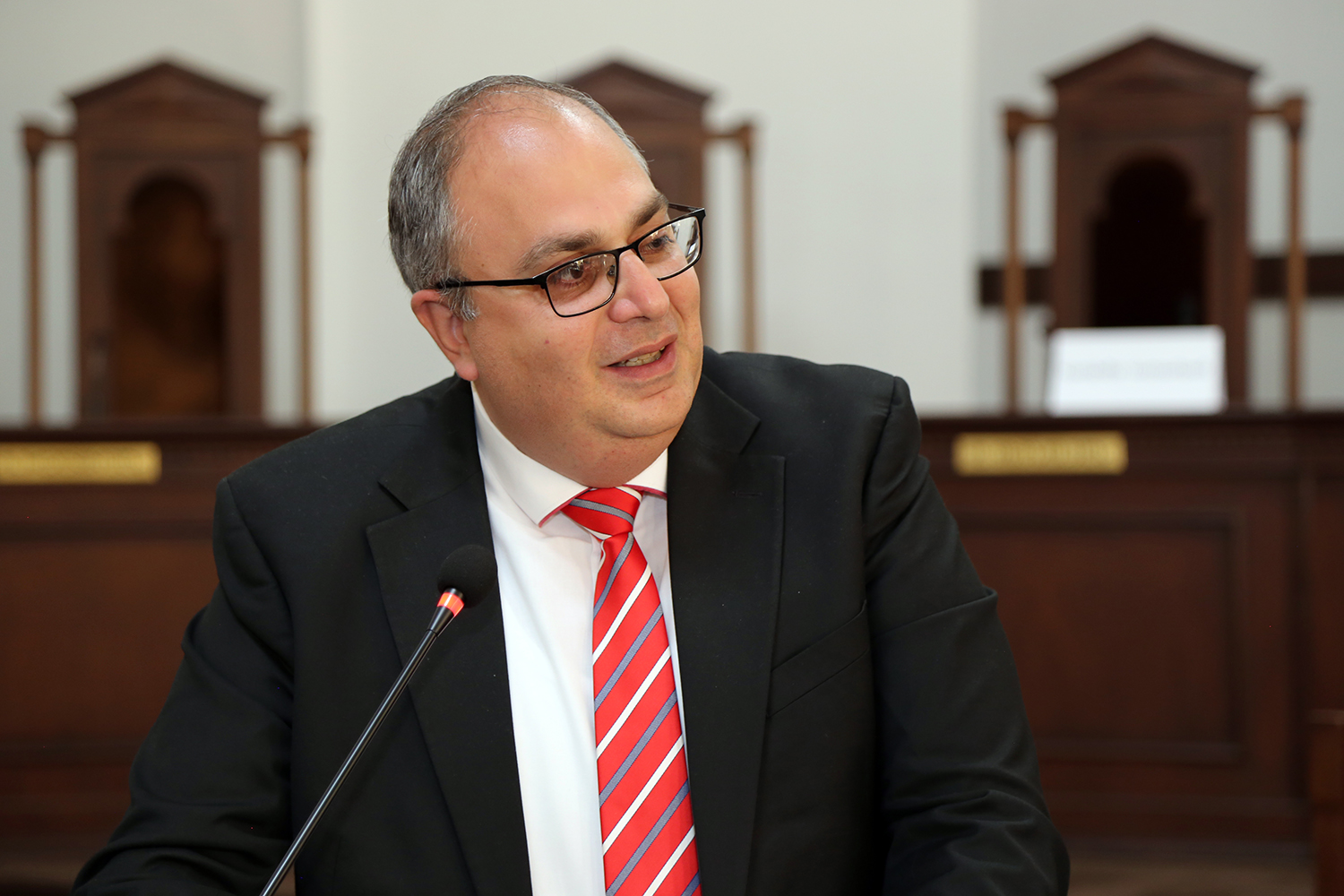
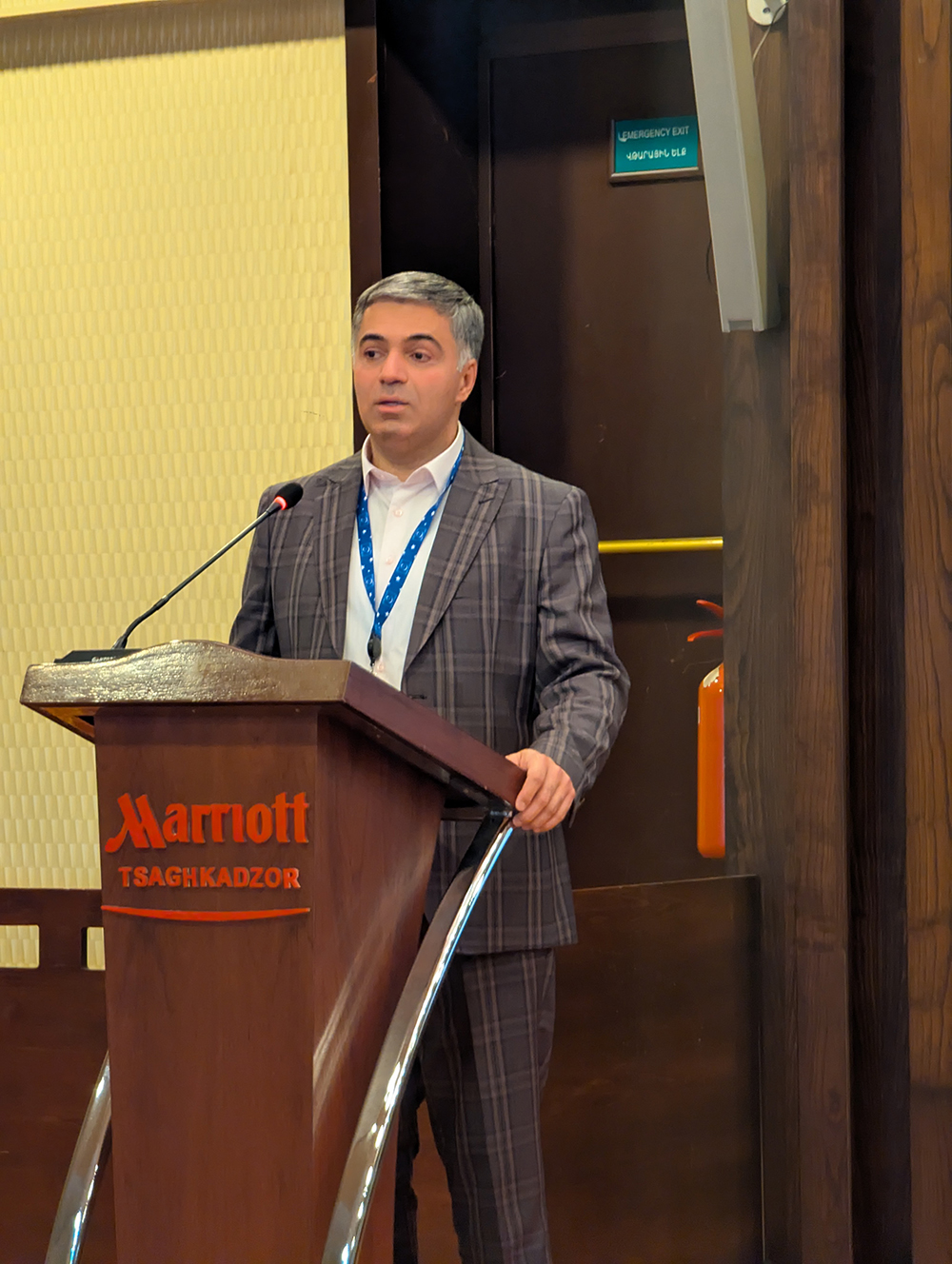
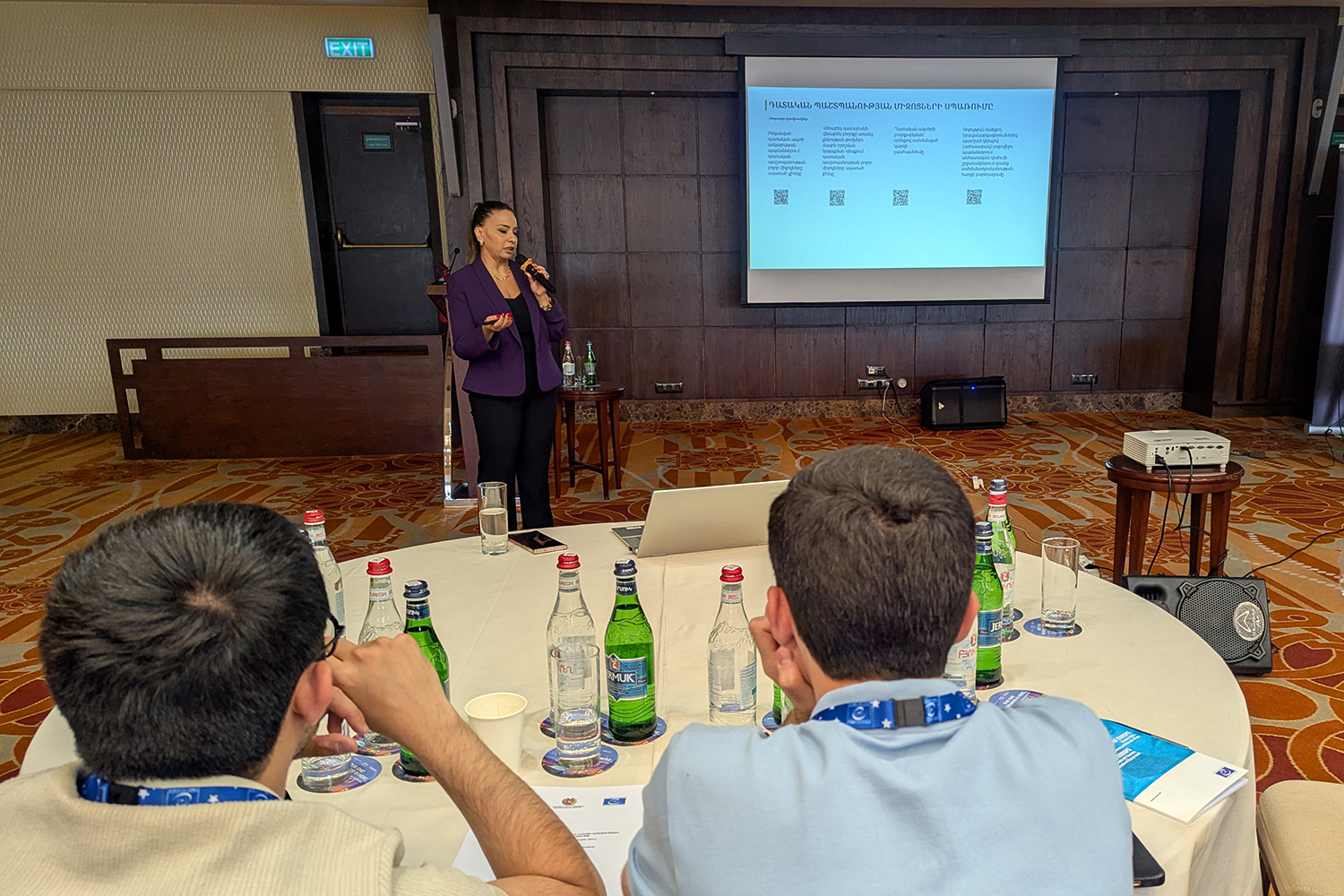
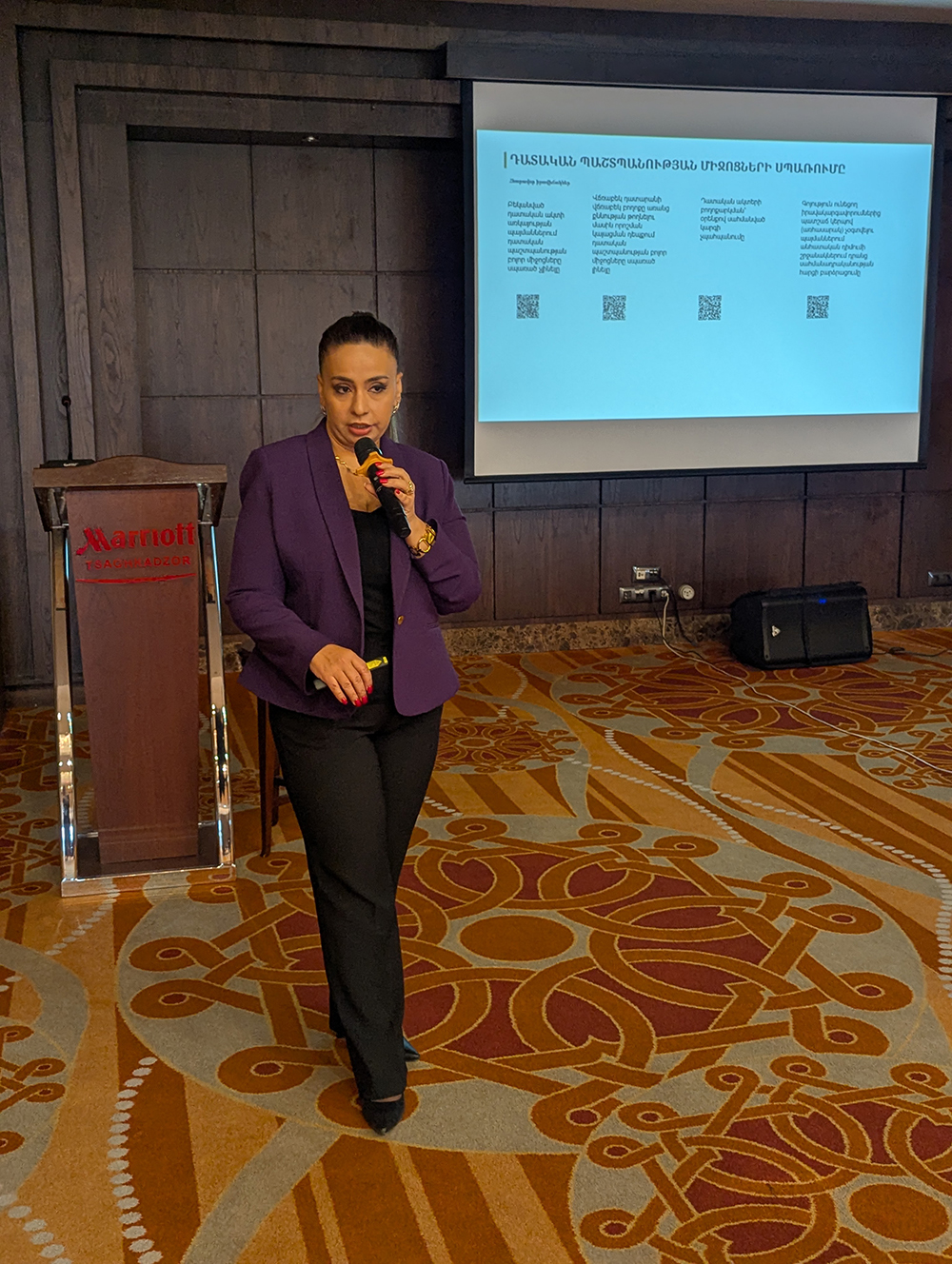
Welcoming the participants of the oral hearings phase, the President of the Constitutional Court, Arman Dilanyan, noted that the moot court competition aims to deepen and apply students’ knowledge in a practical setting, develop their skills in constitutional litigation, legal analysis, and oral advocacy, and enhance their understanding of the fundamental values of freedom of expression and constitutional justice.
Arman Dilanyan emphasized that the Constitutional Court highly appreciates the contributions of participants, judges, experts, and partner organizations to the successful implementation of the programme and reiterated the Court’s commitment to ongoing support for initiatives aimed at enhancing legal education and constitutional culture.
Maxime Longangue, Head of the Council of Europe Office in Yerevan, also delivered a welcoming address.
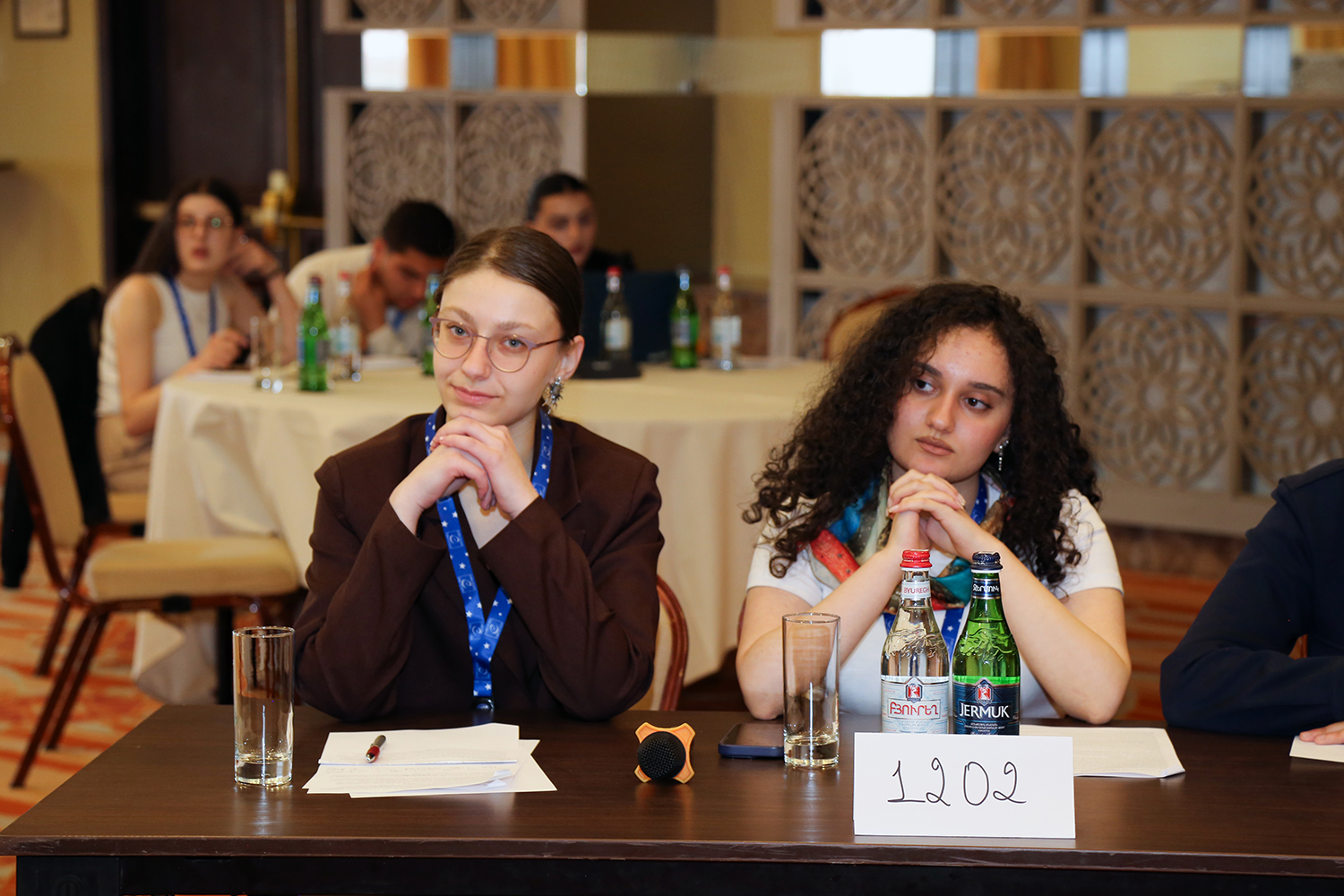
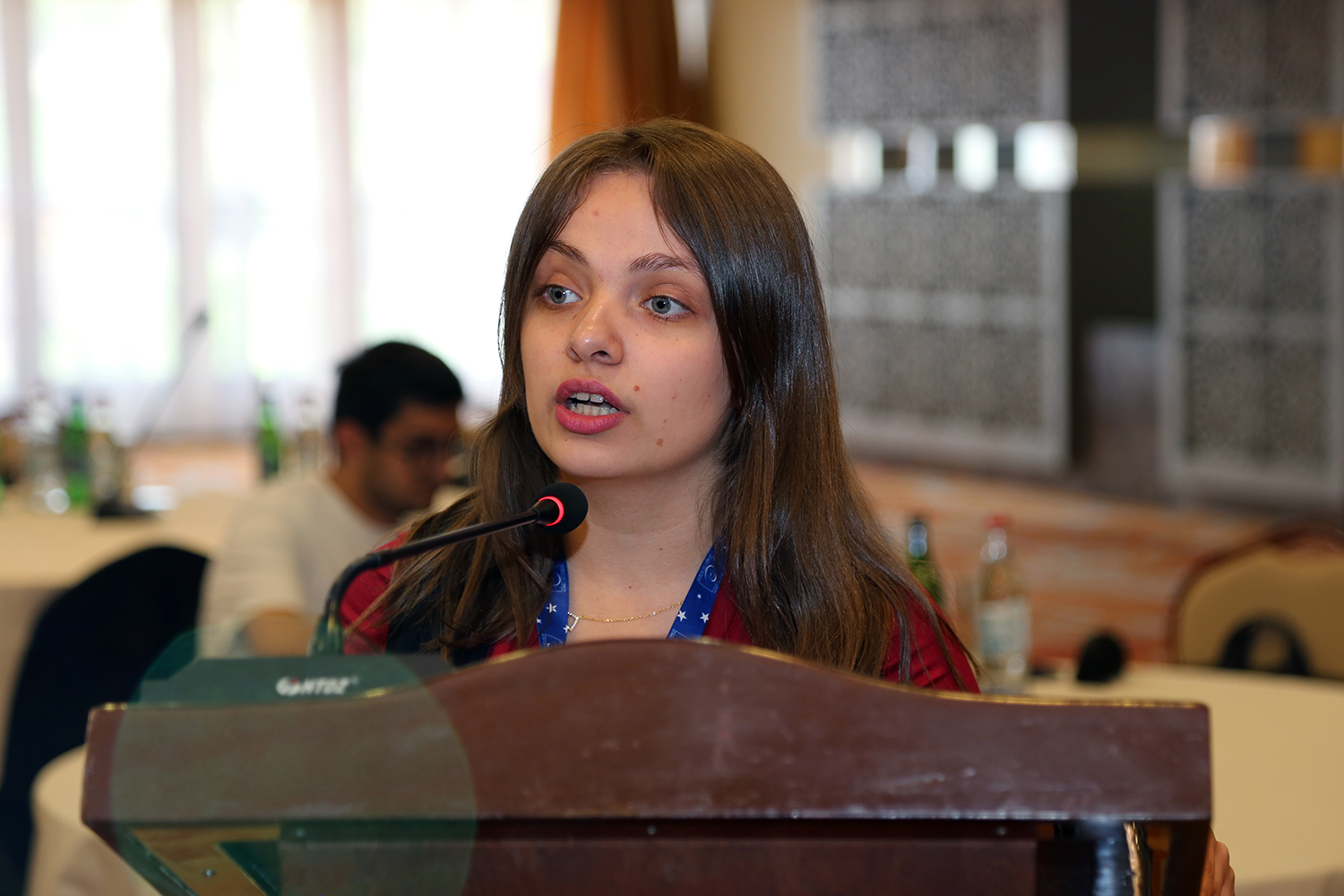
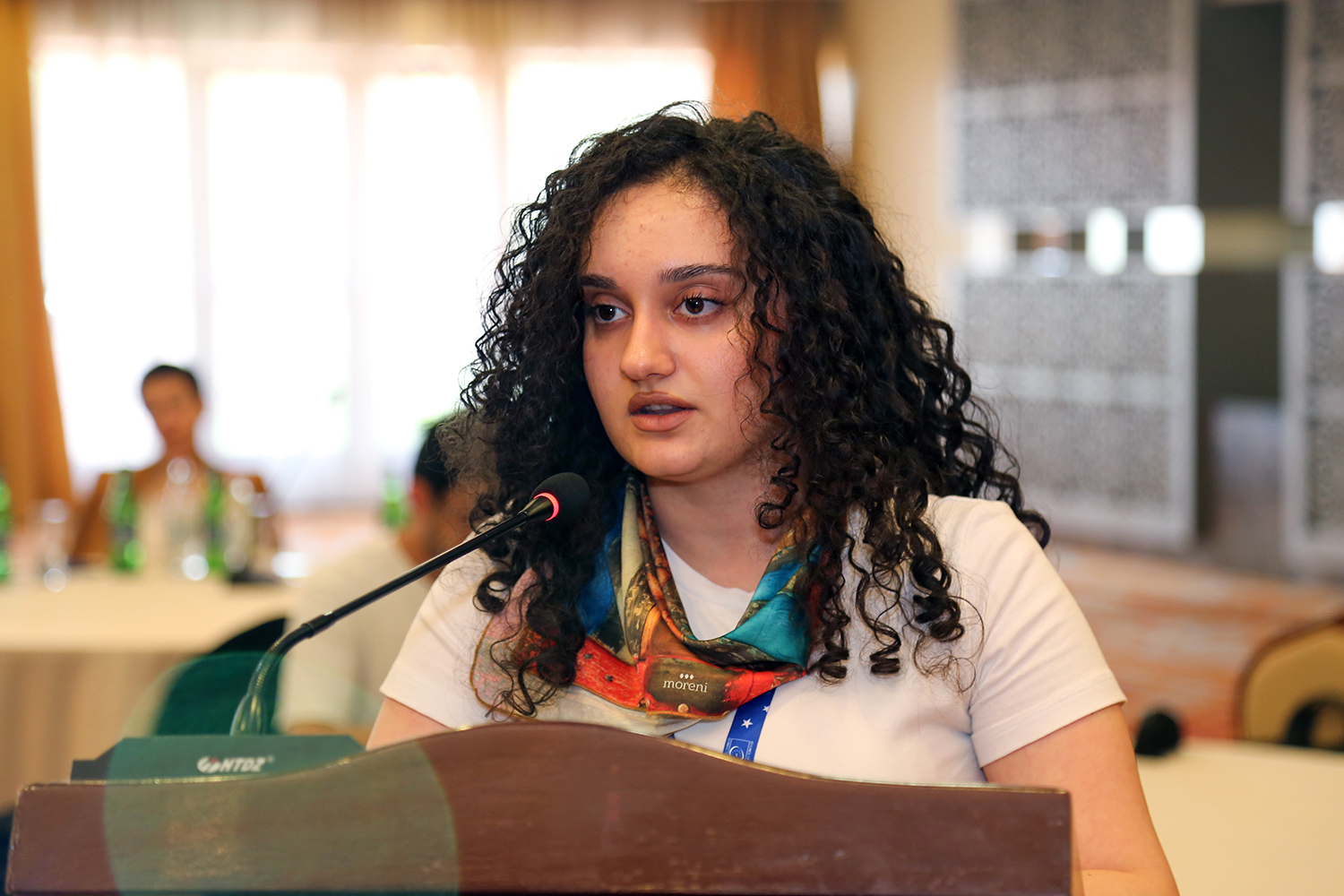
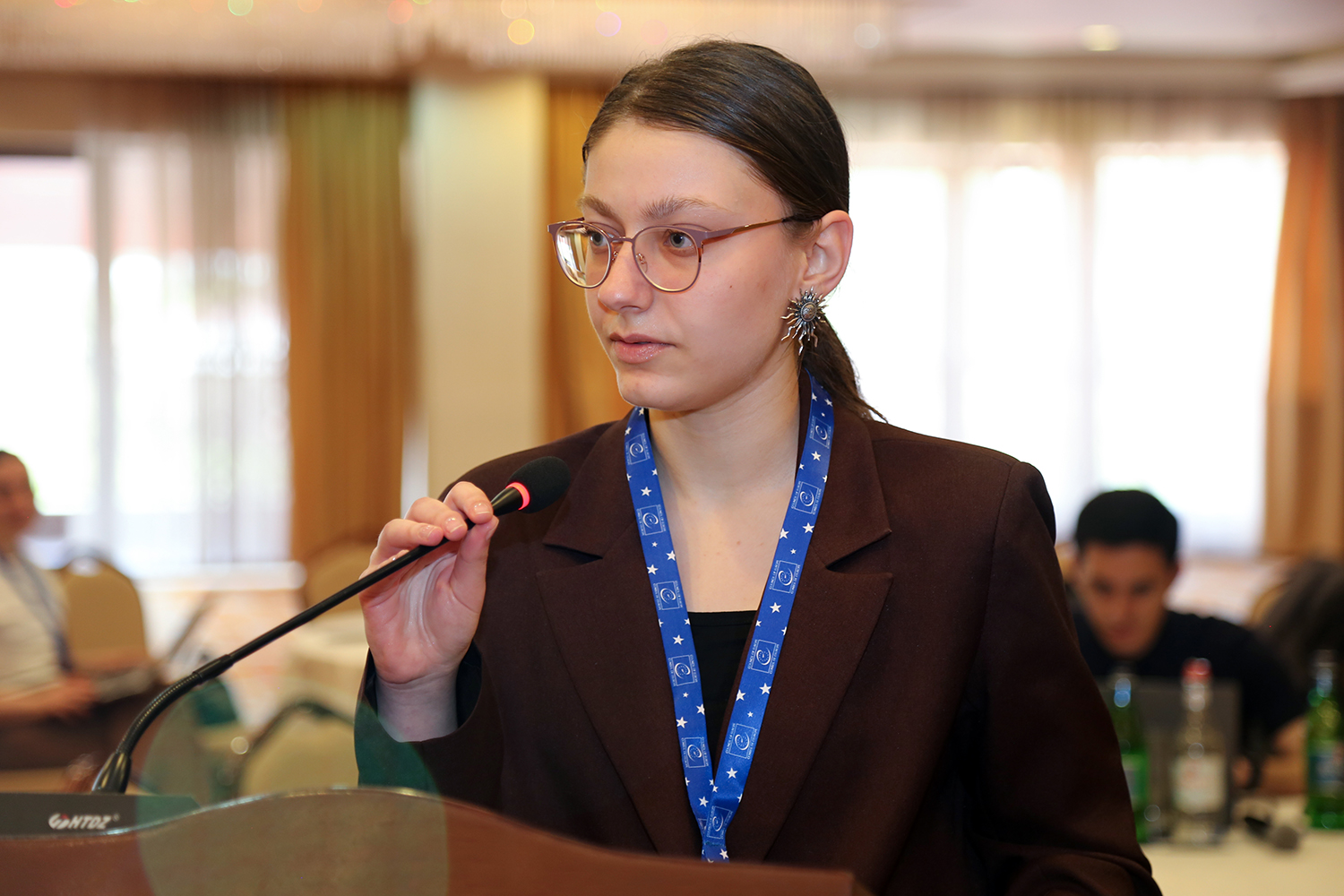
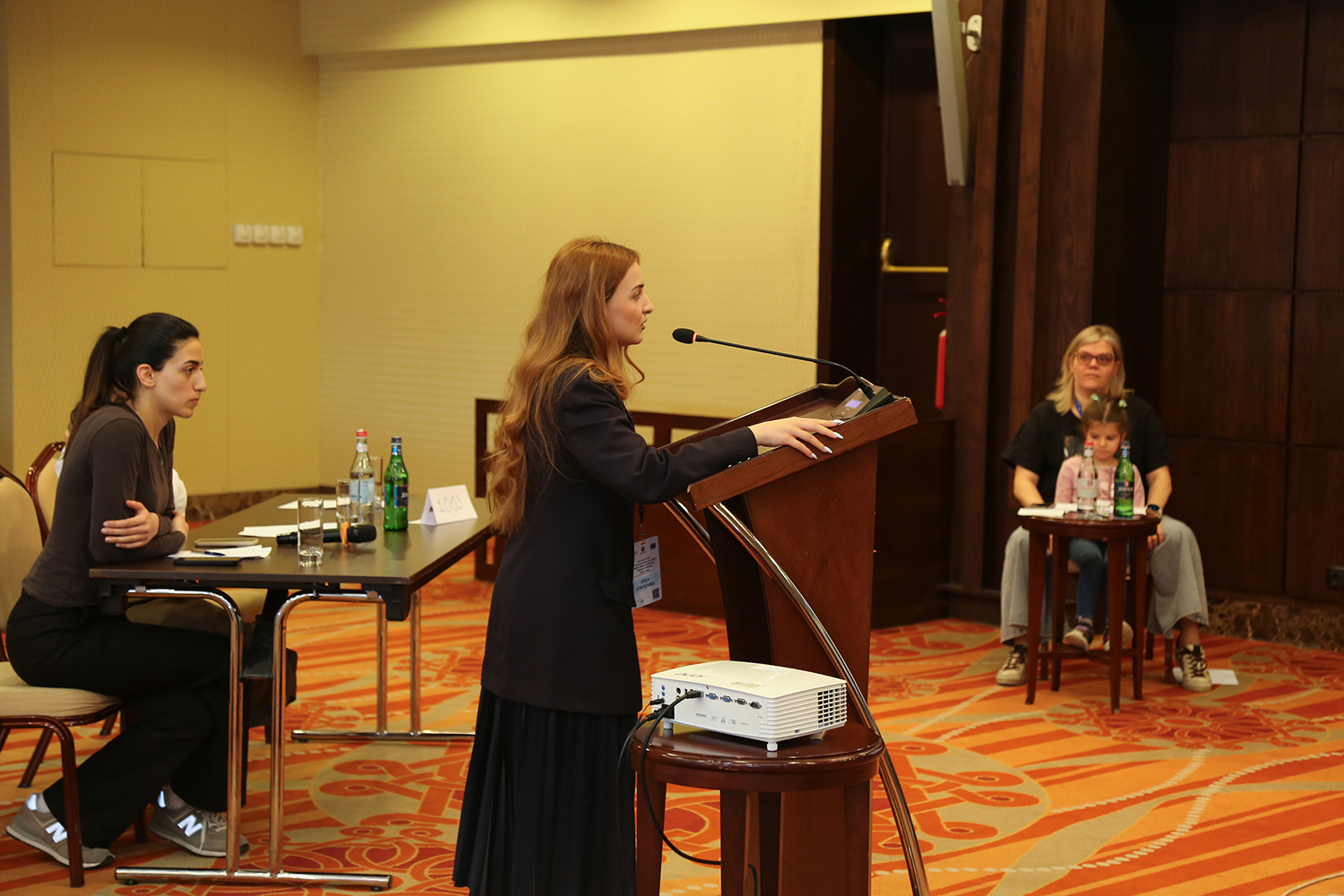
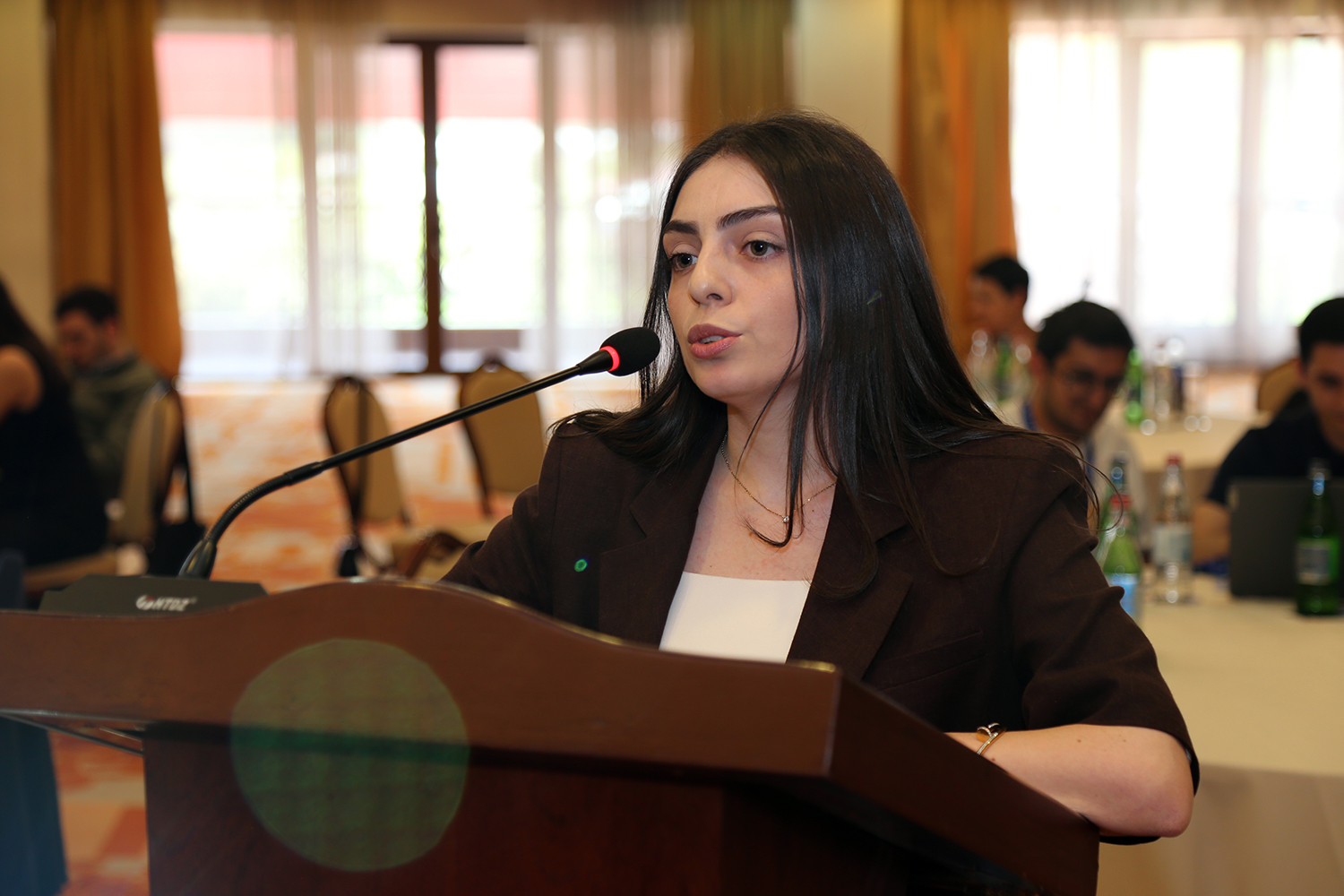
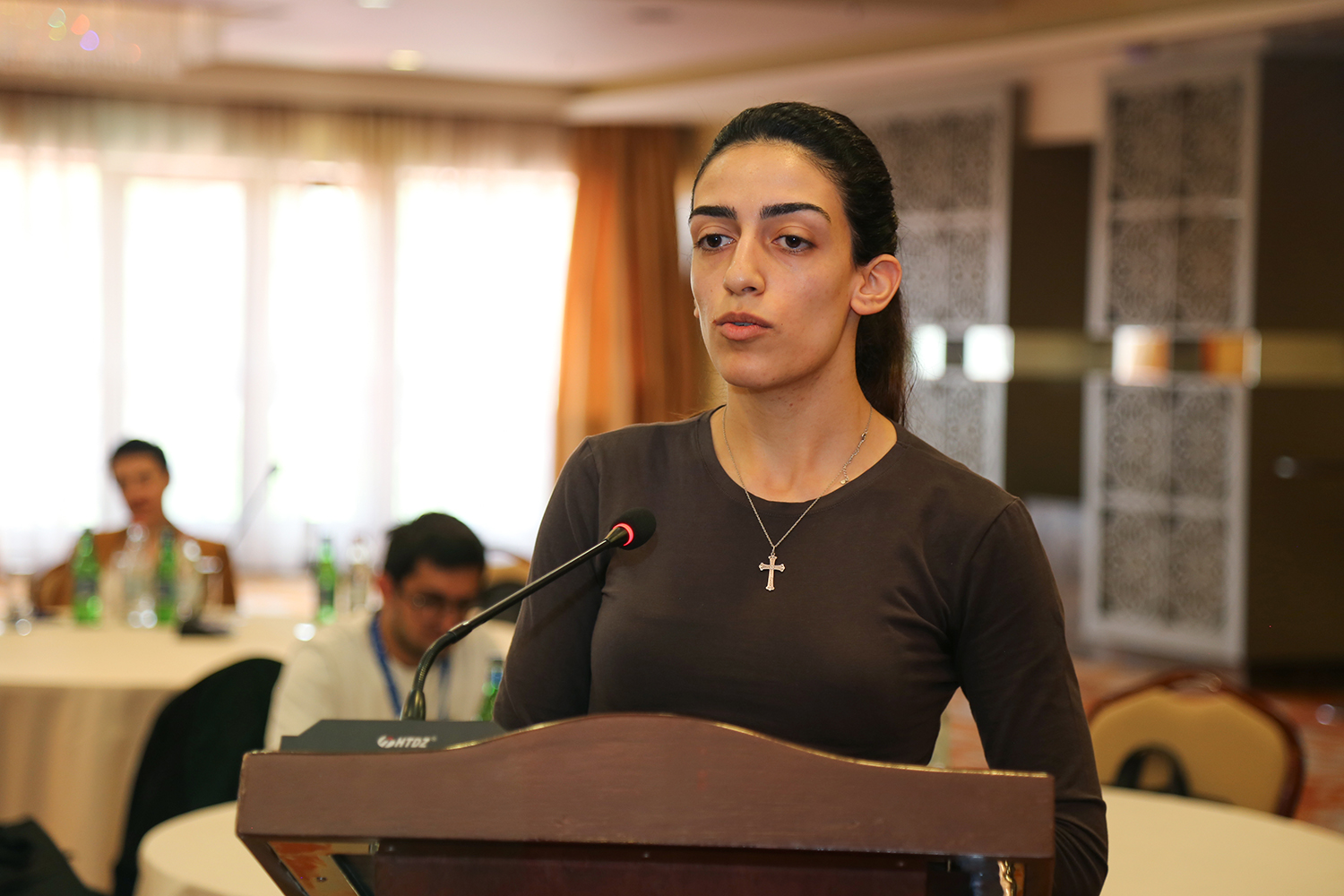
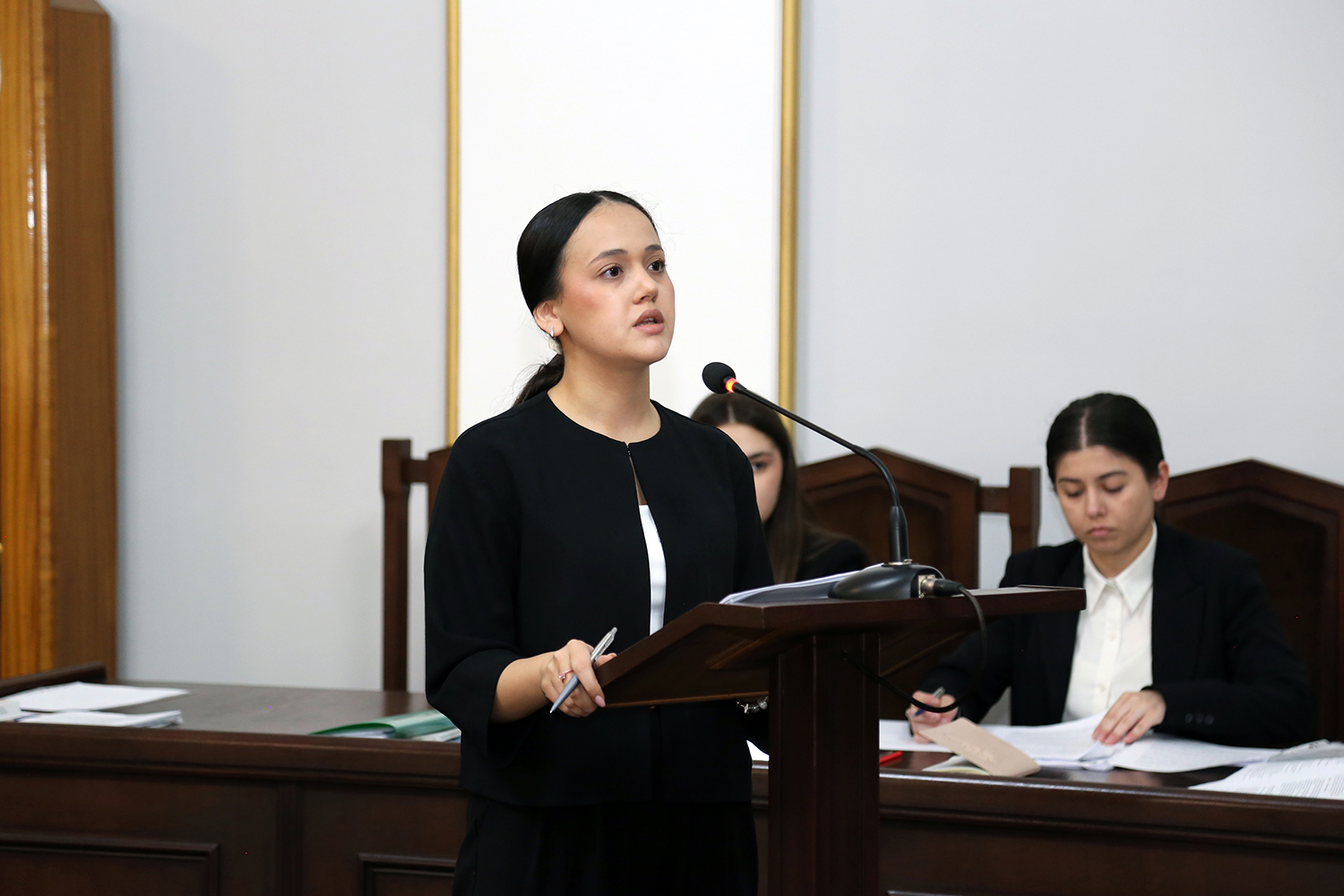
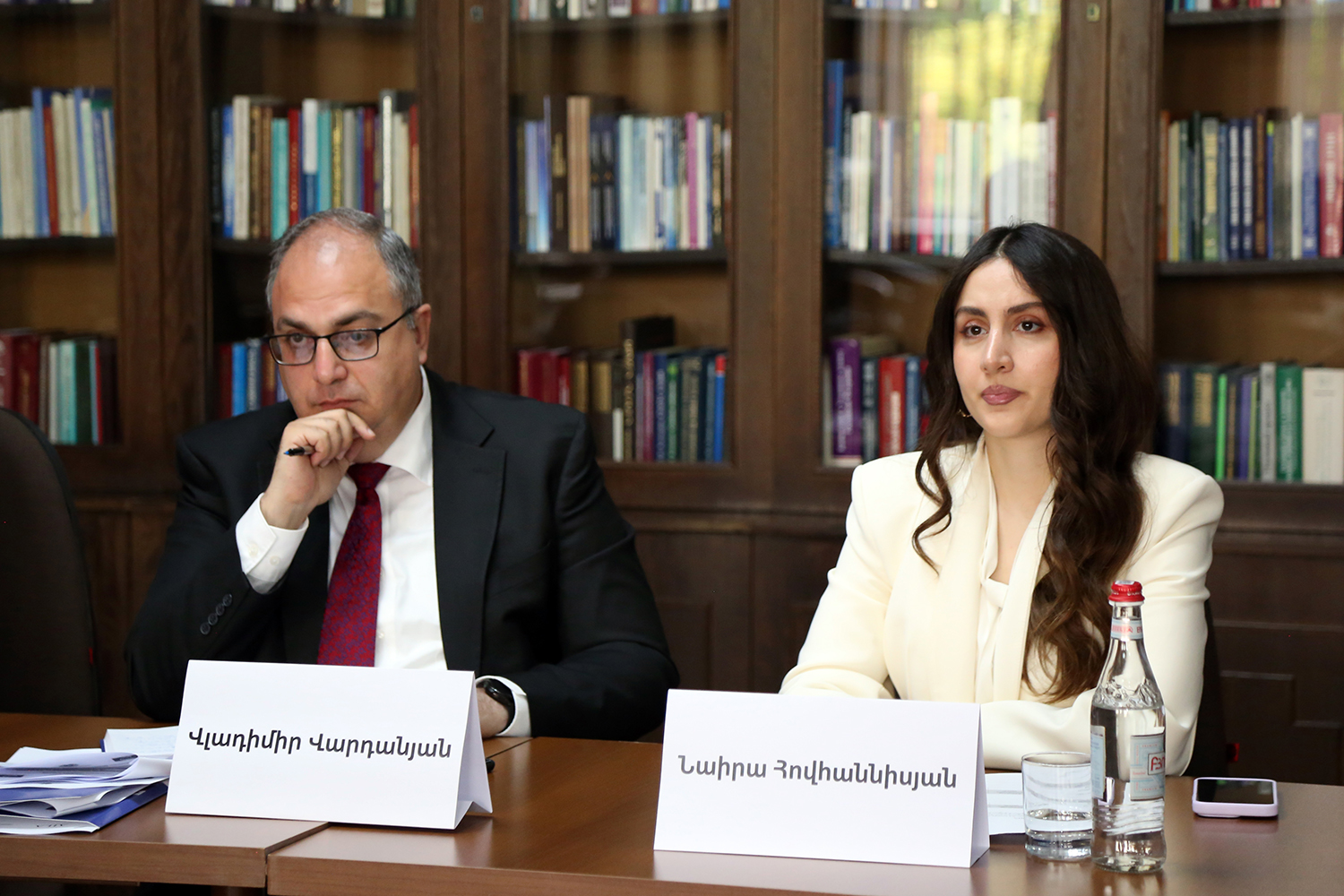
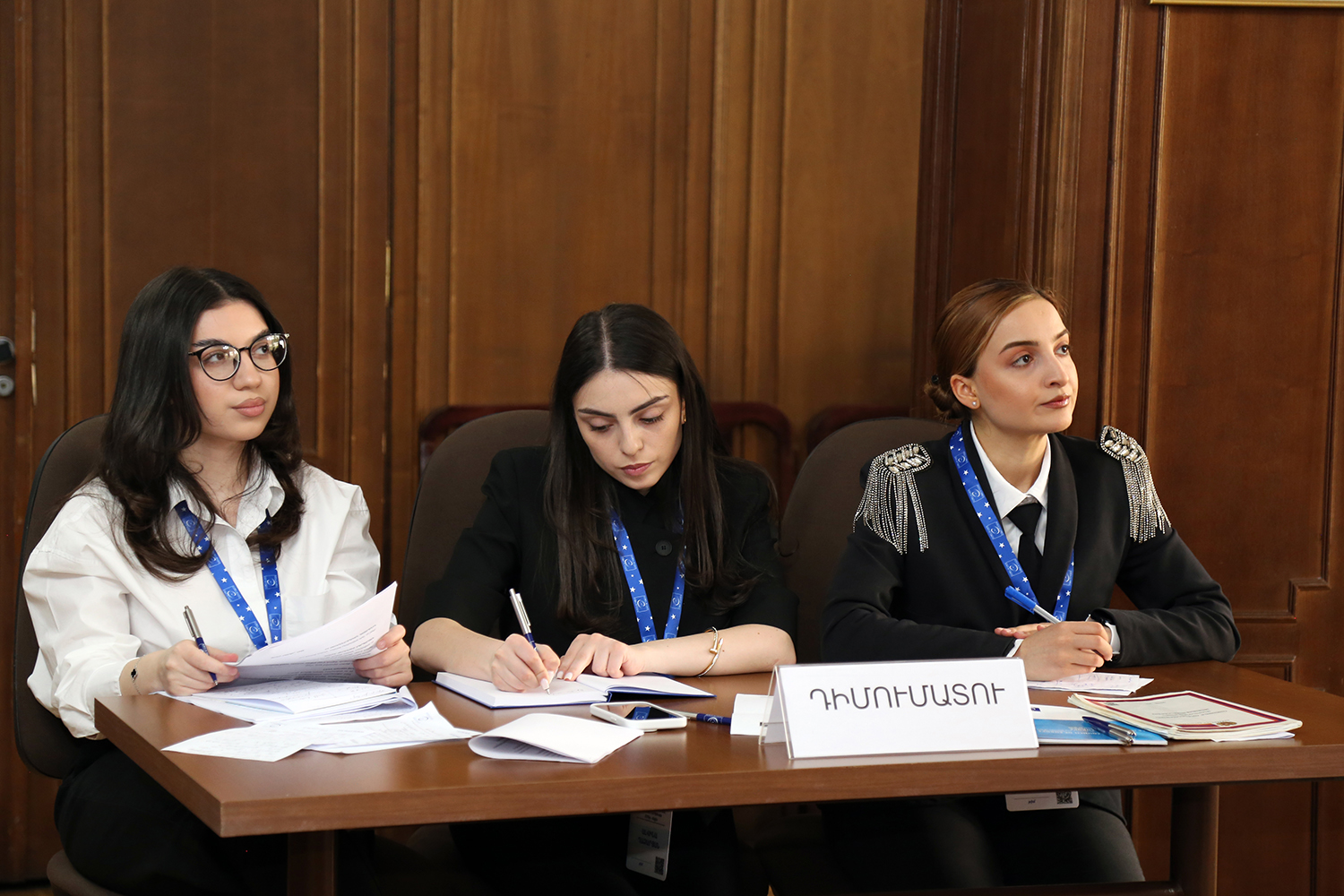
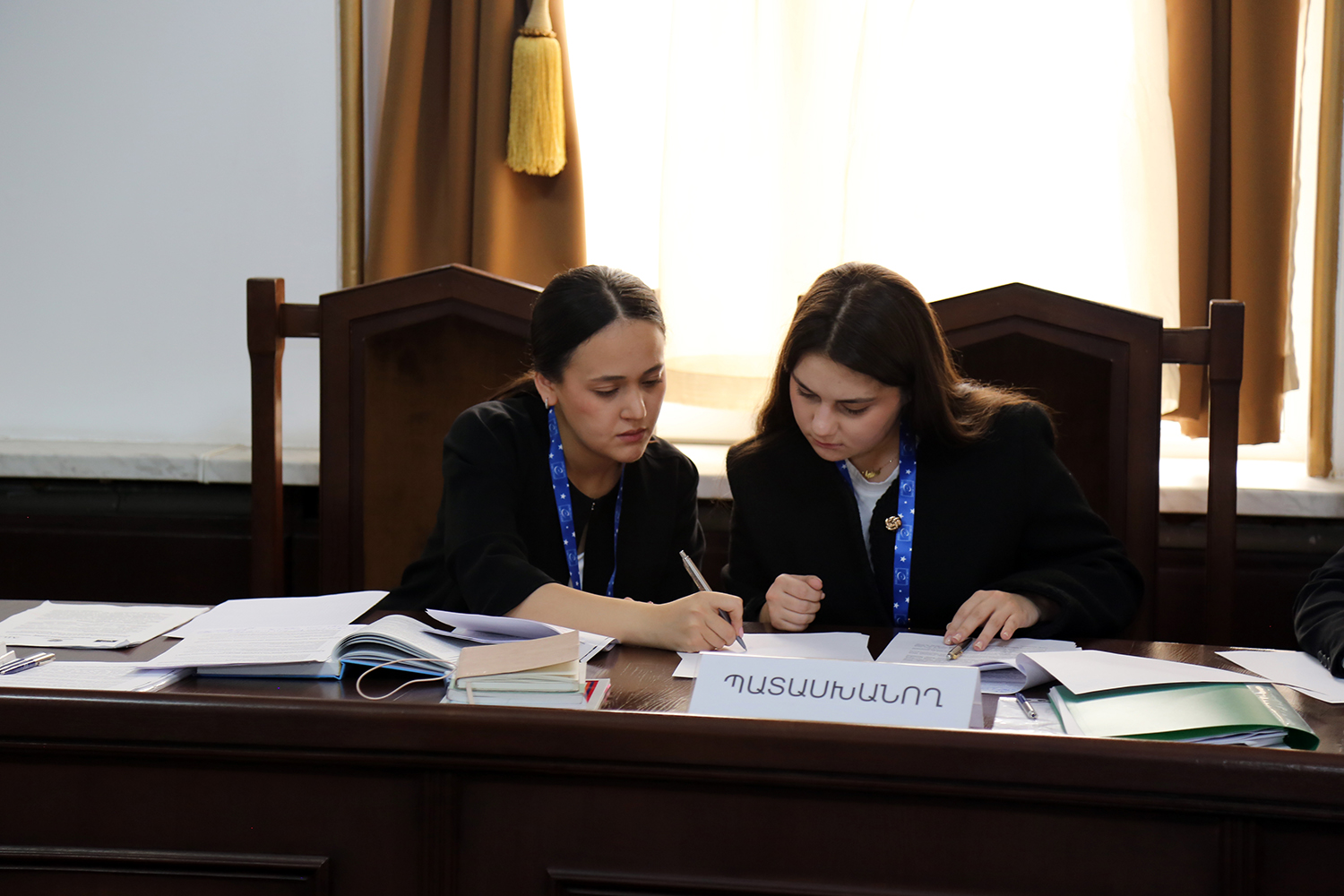
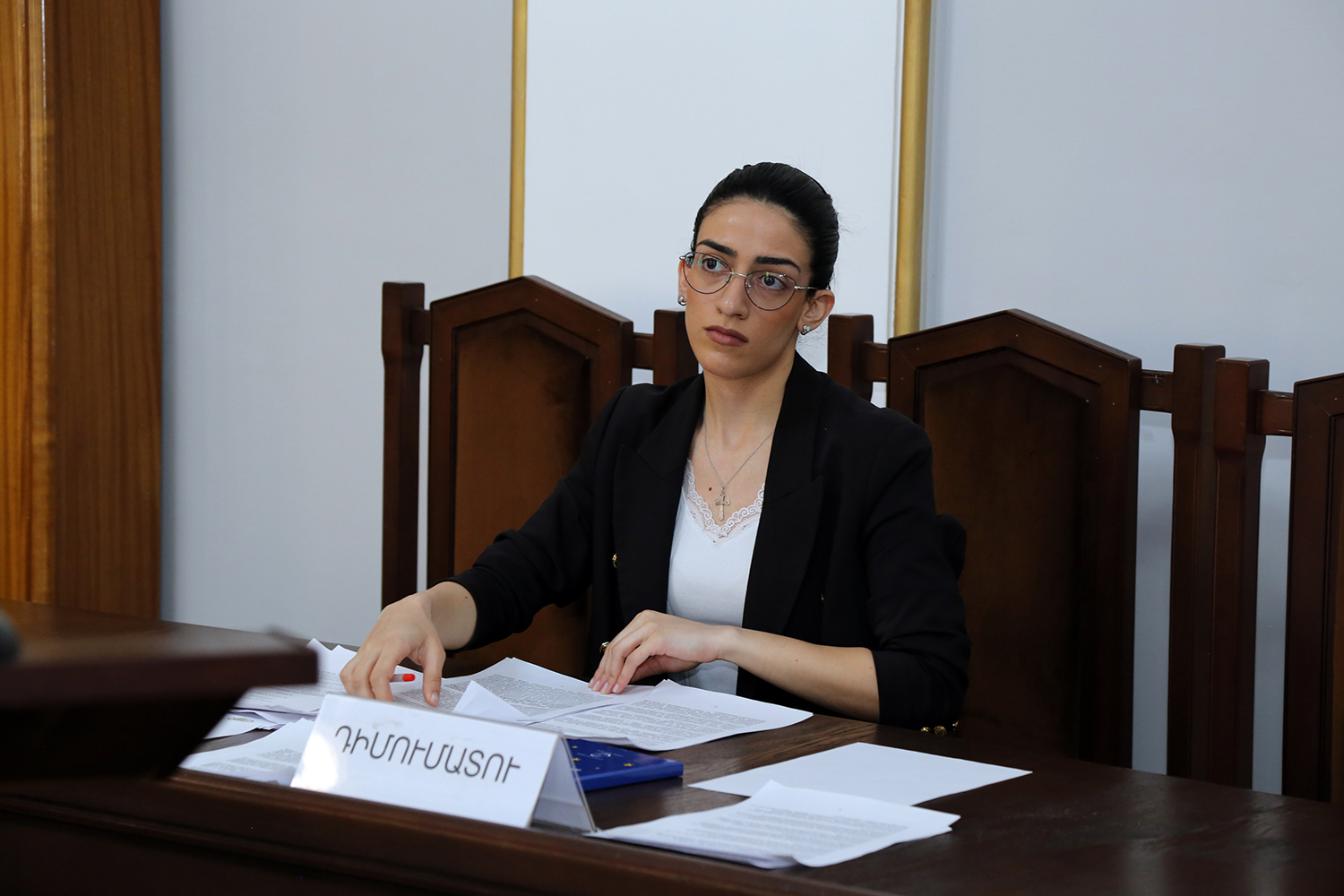
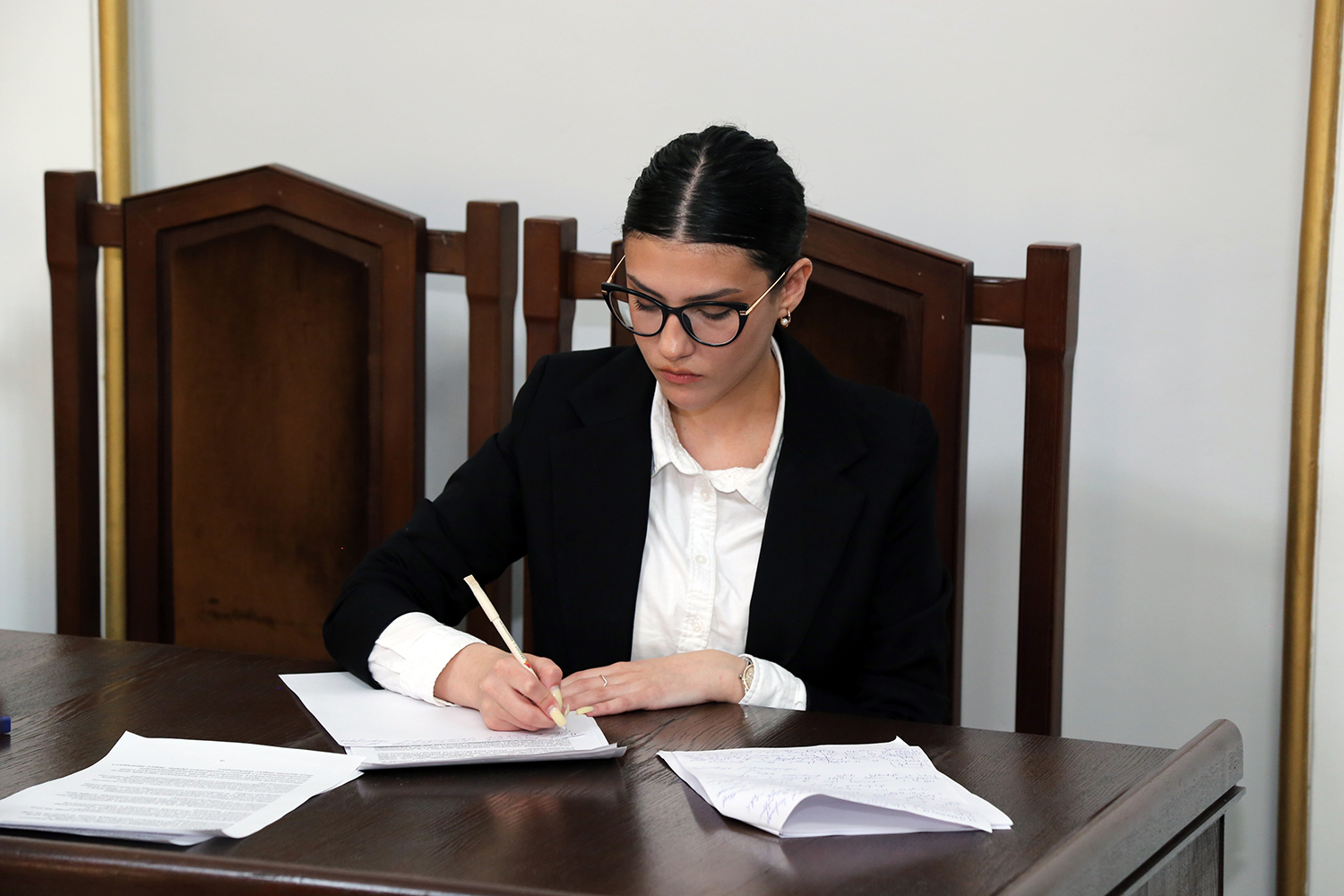
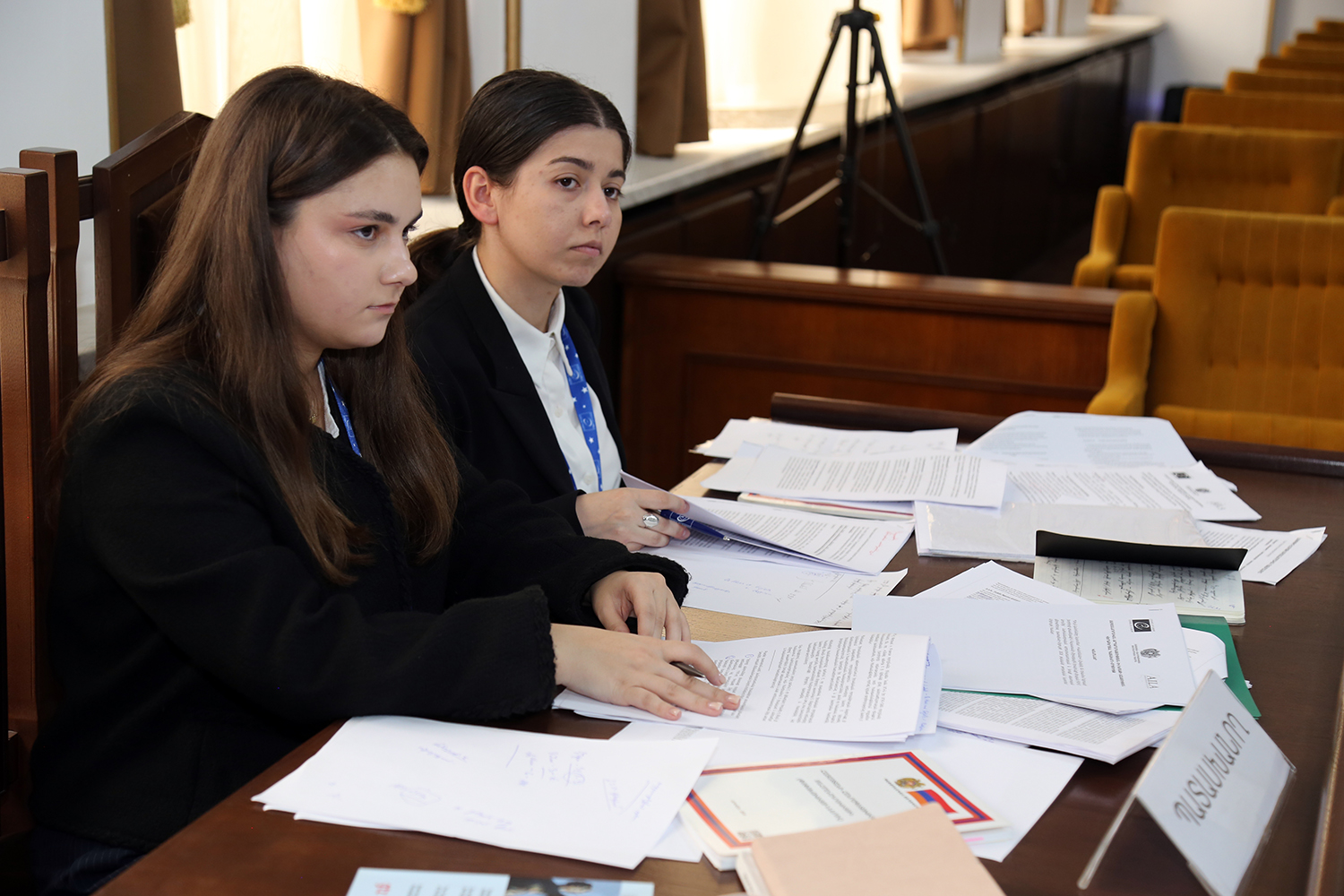
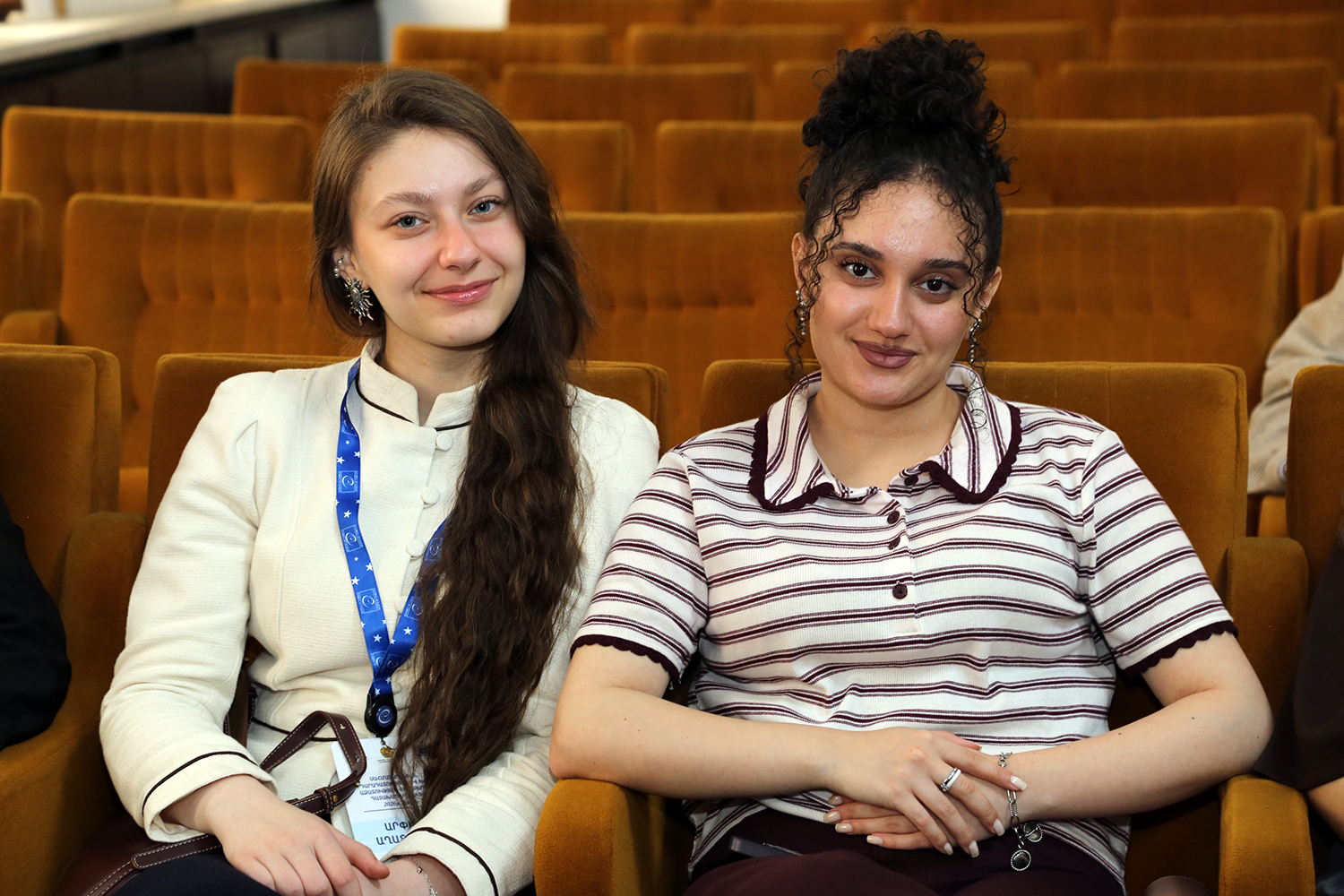
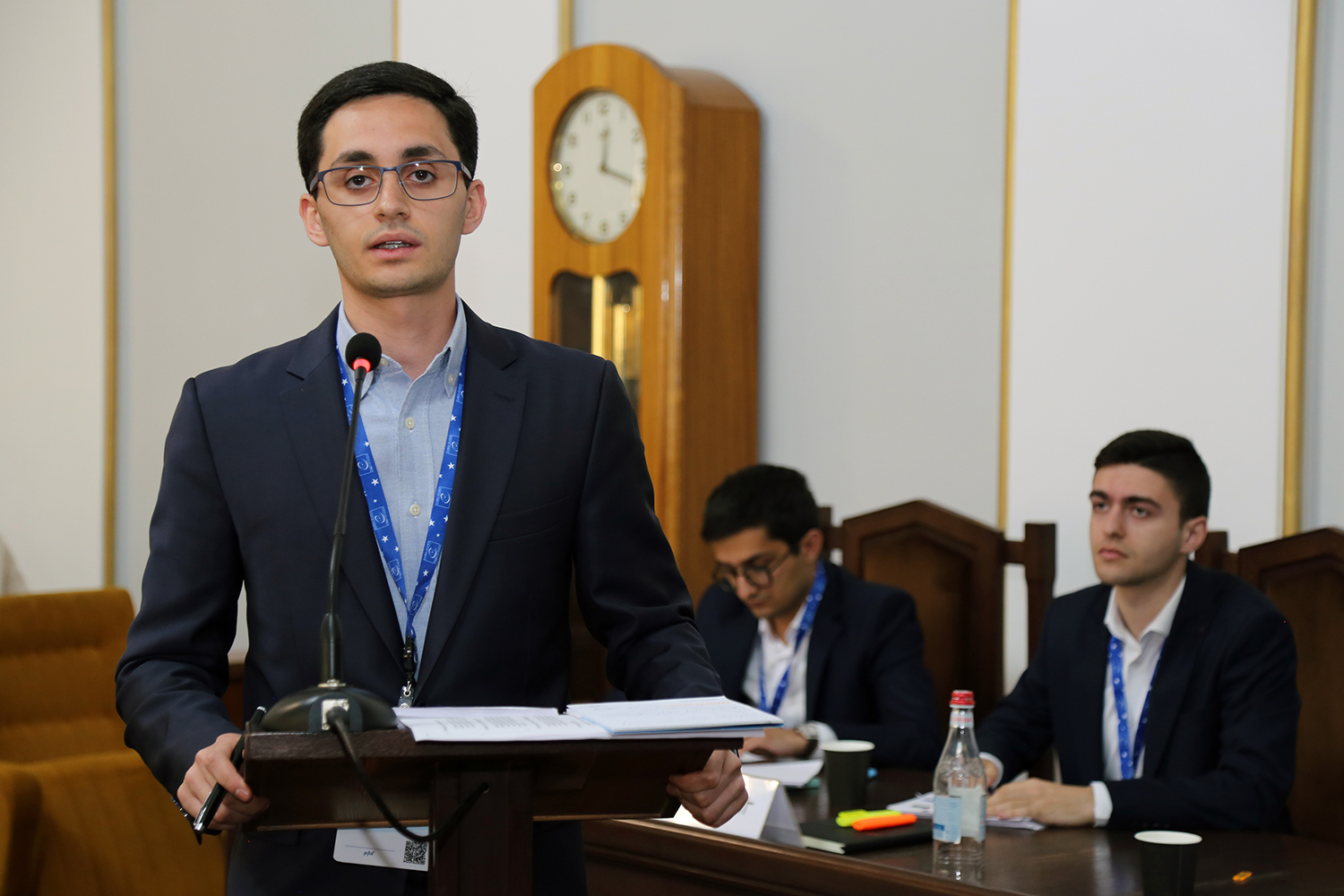
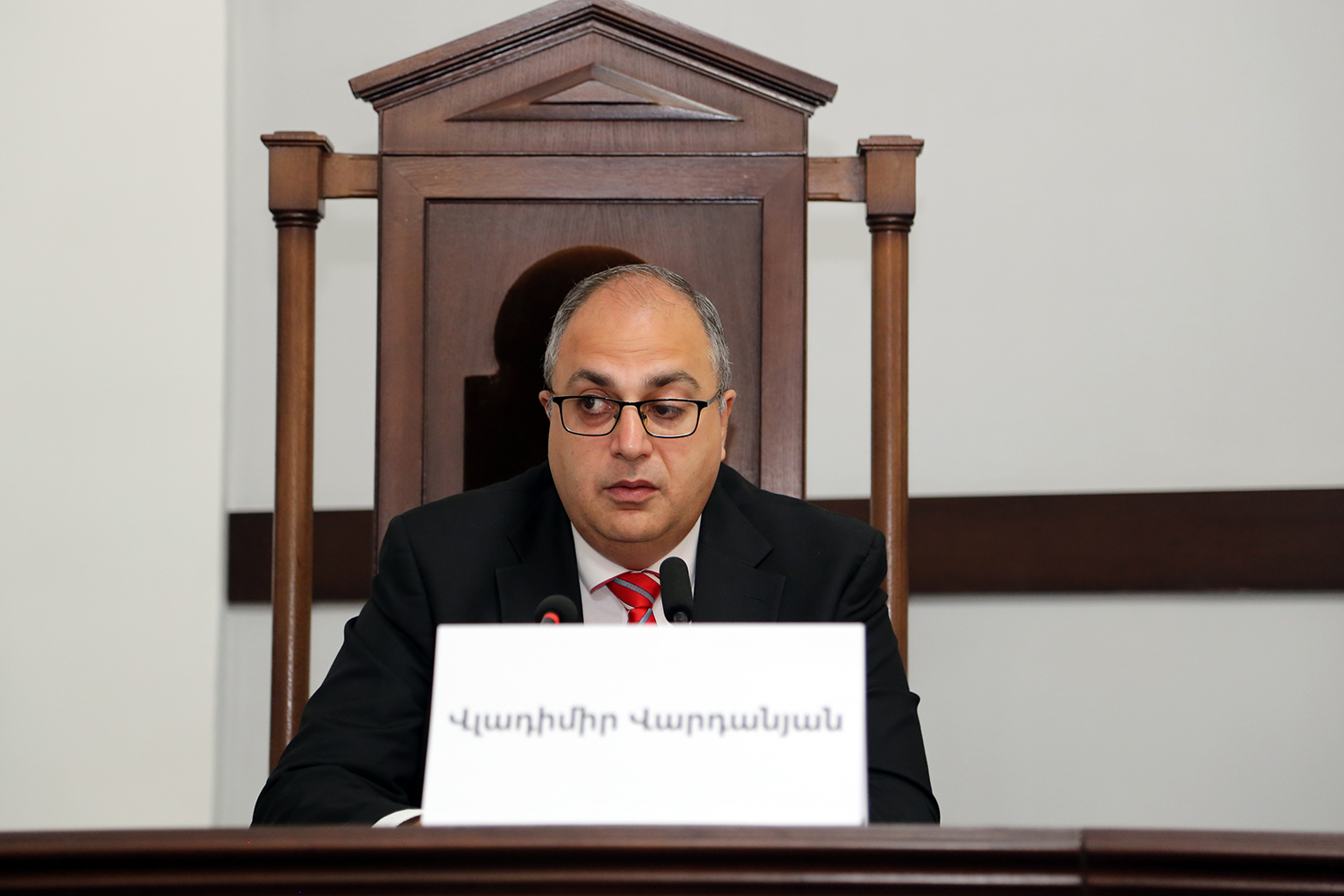
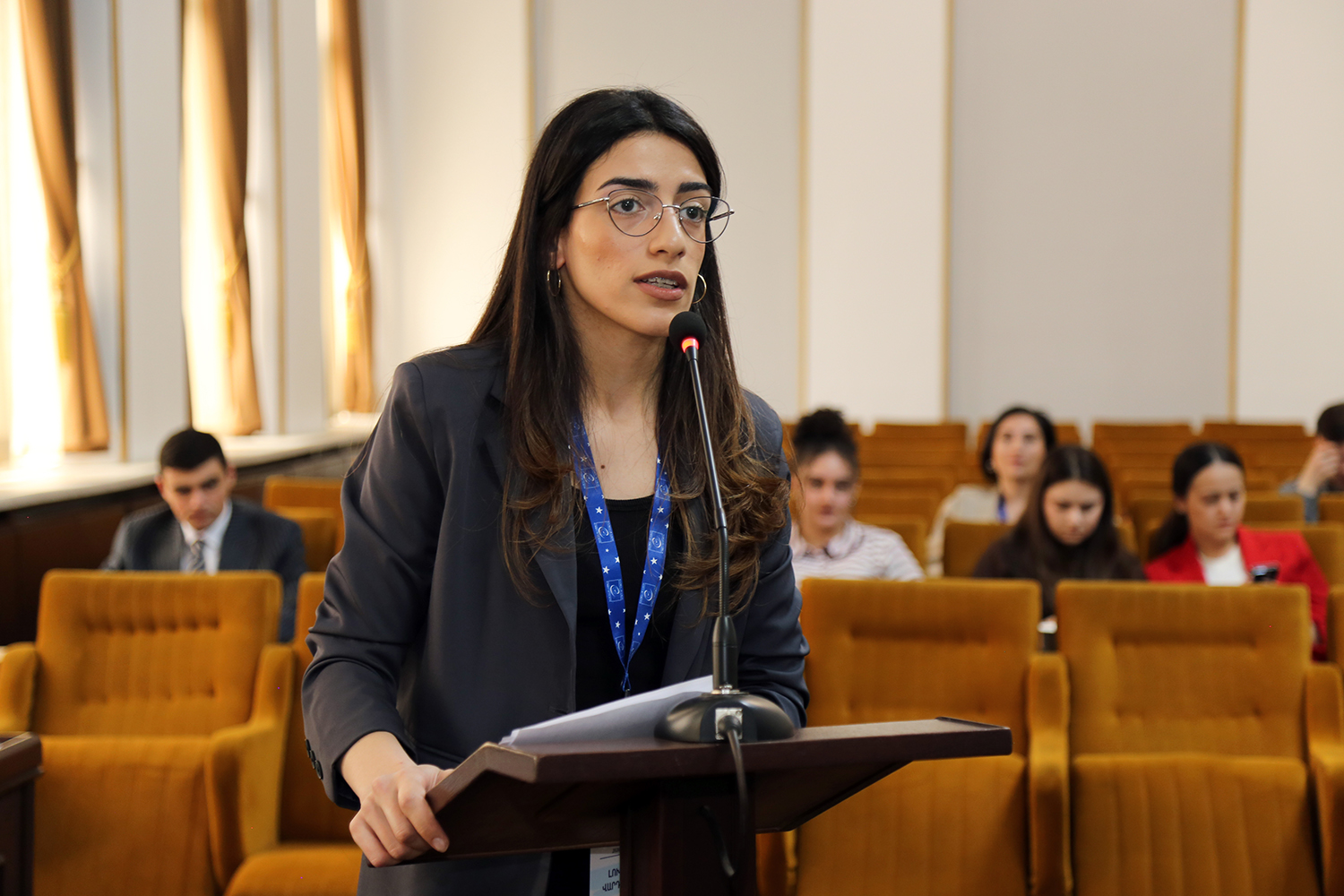
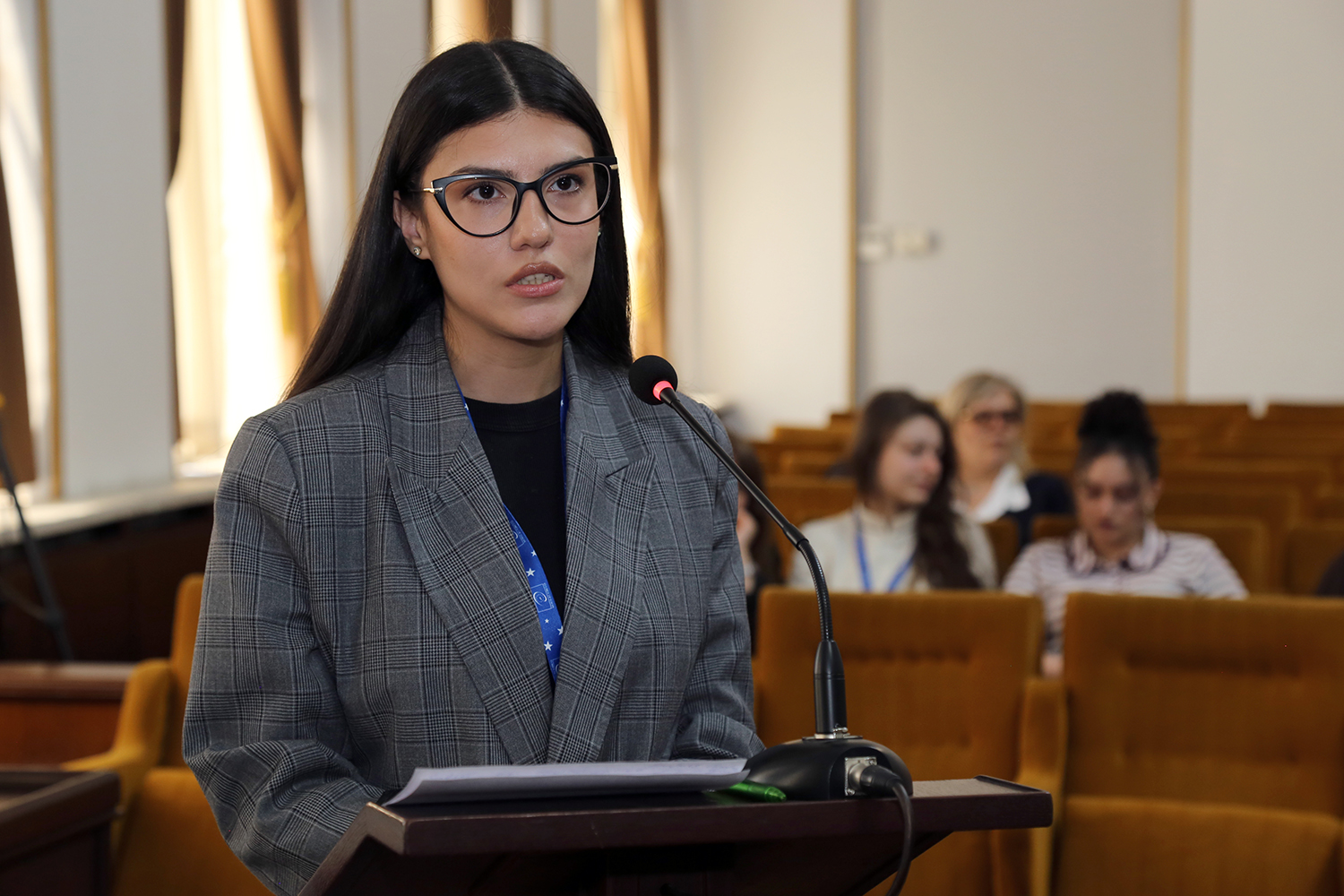
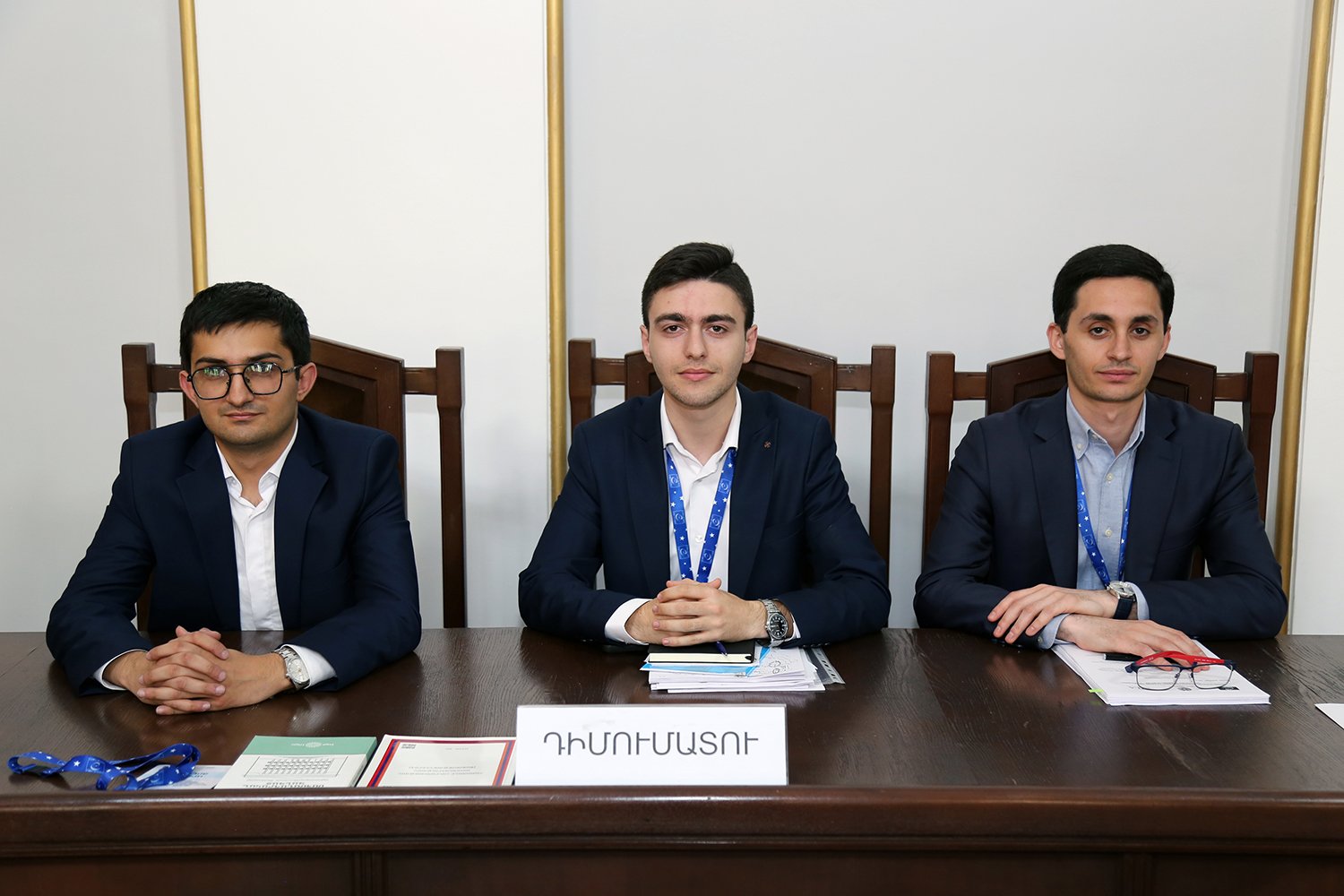
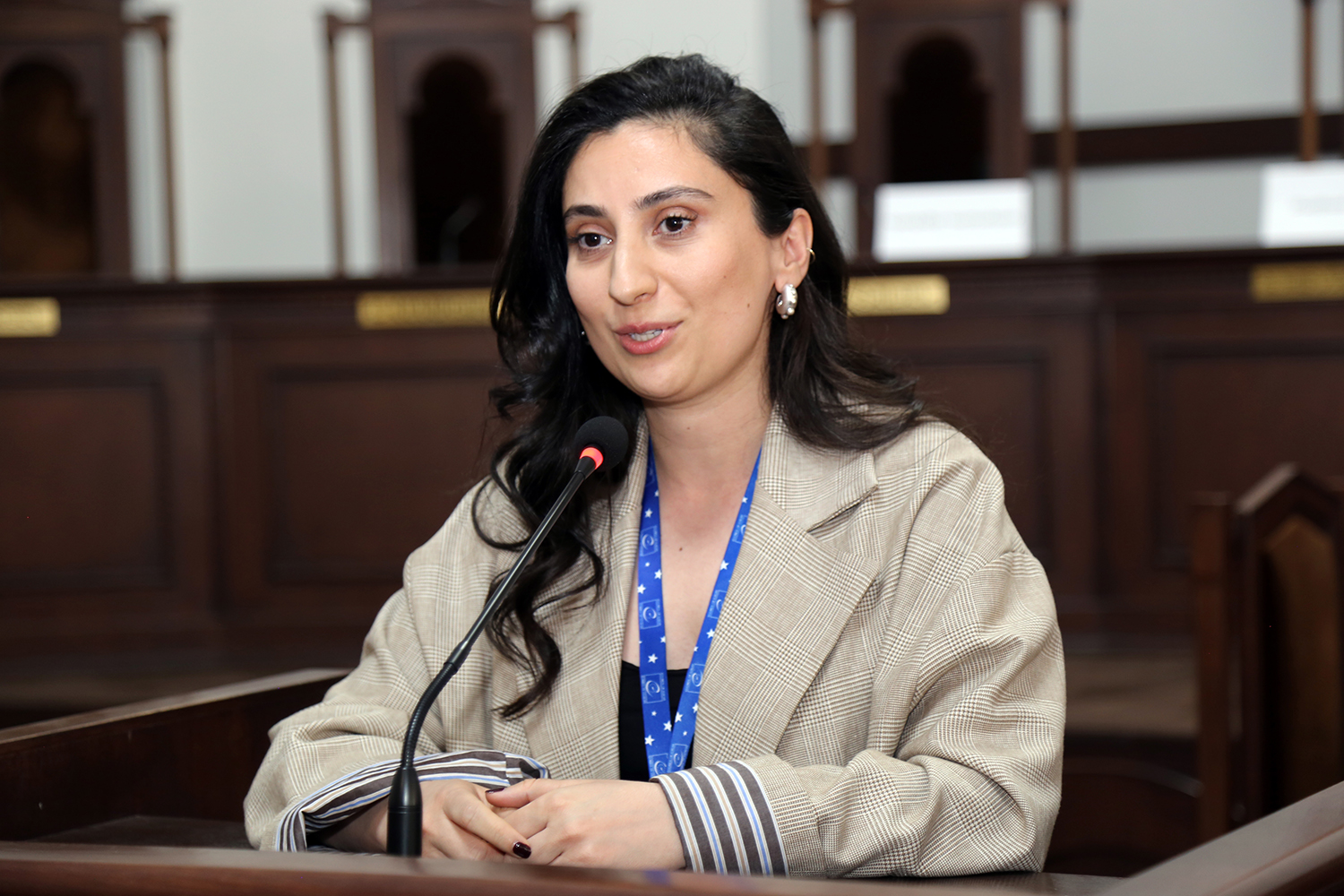
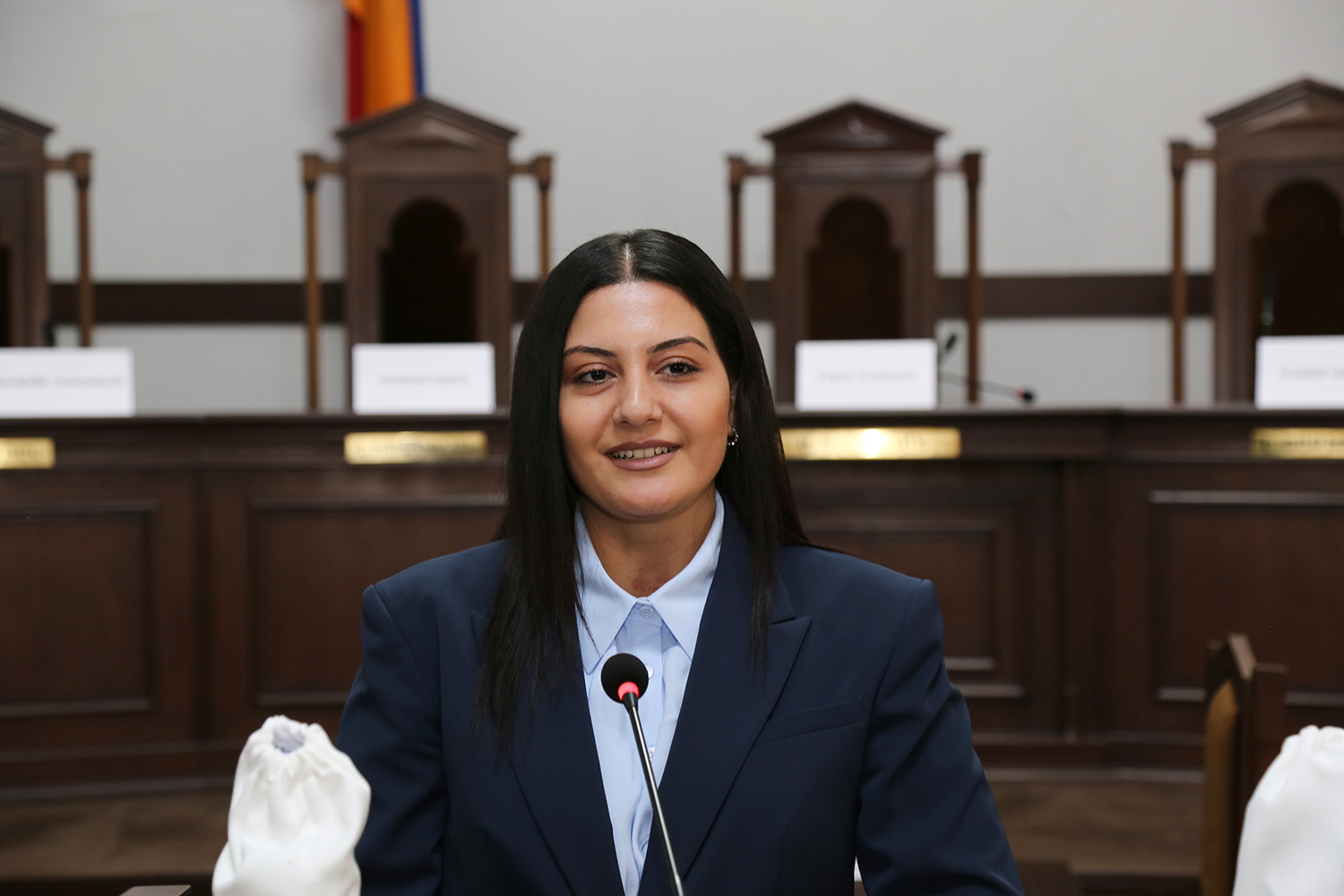
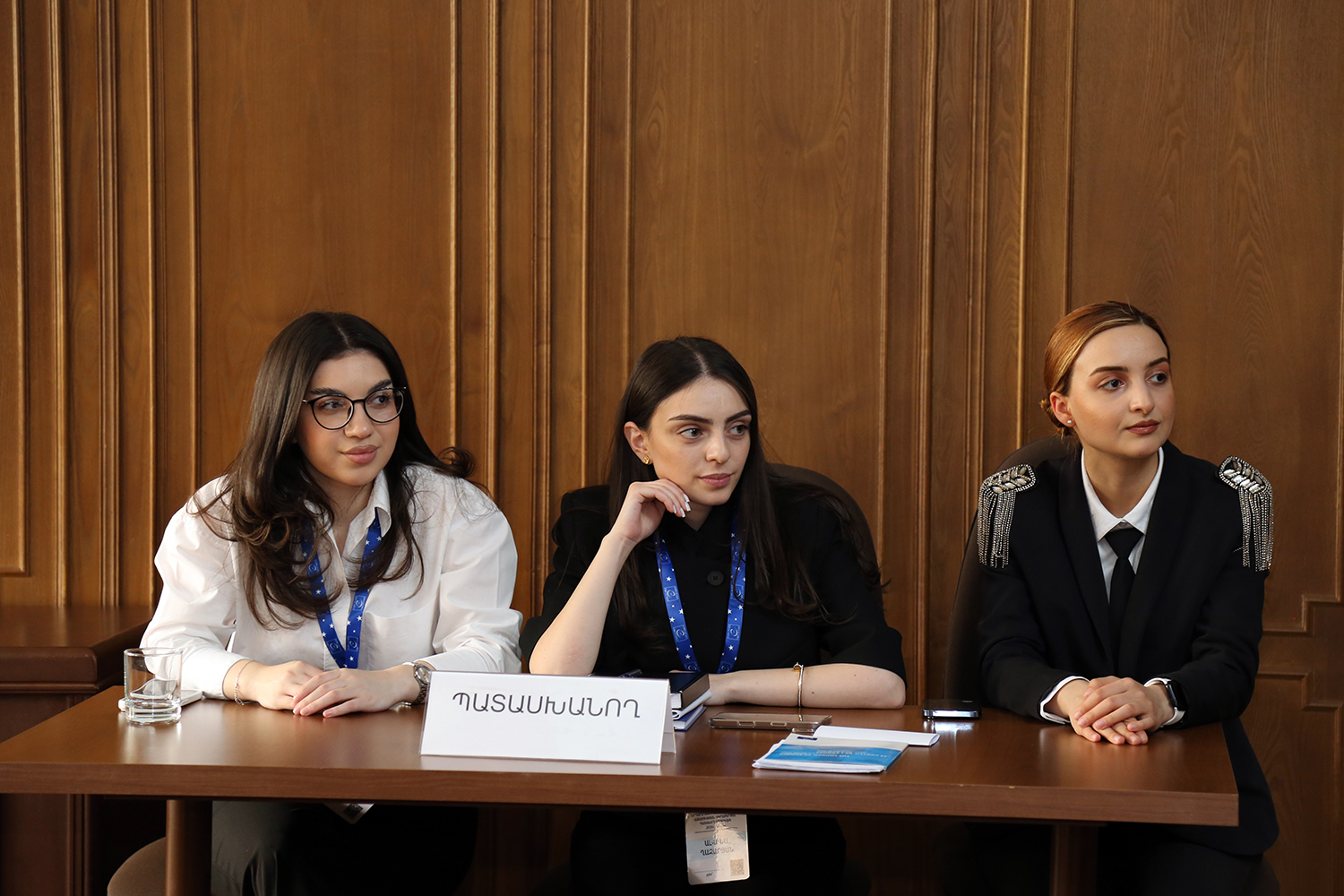
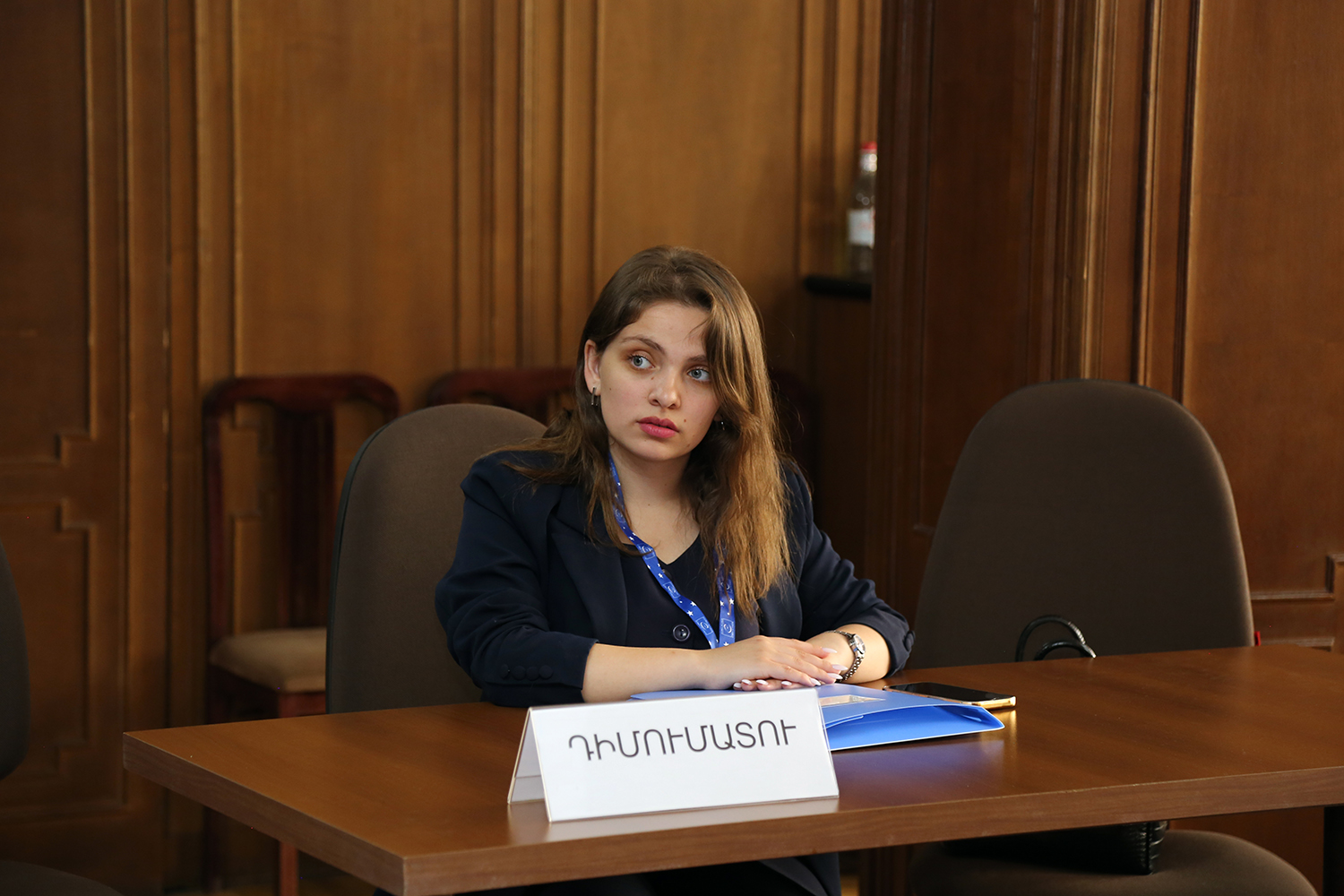
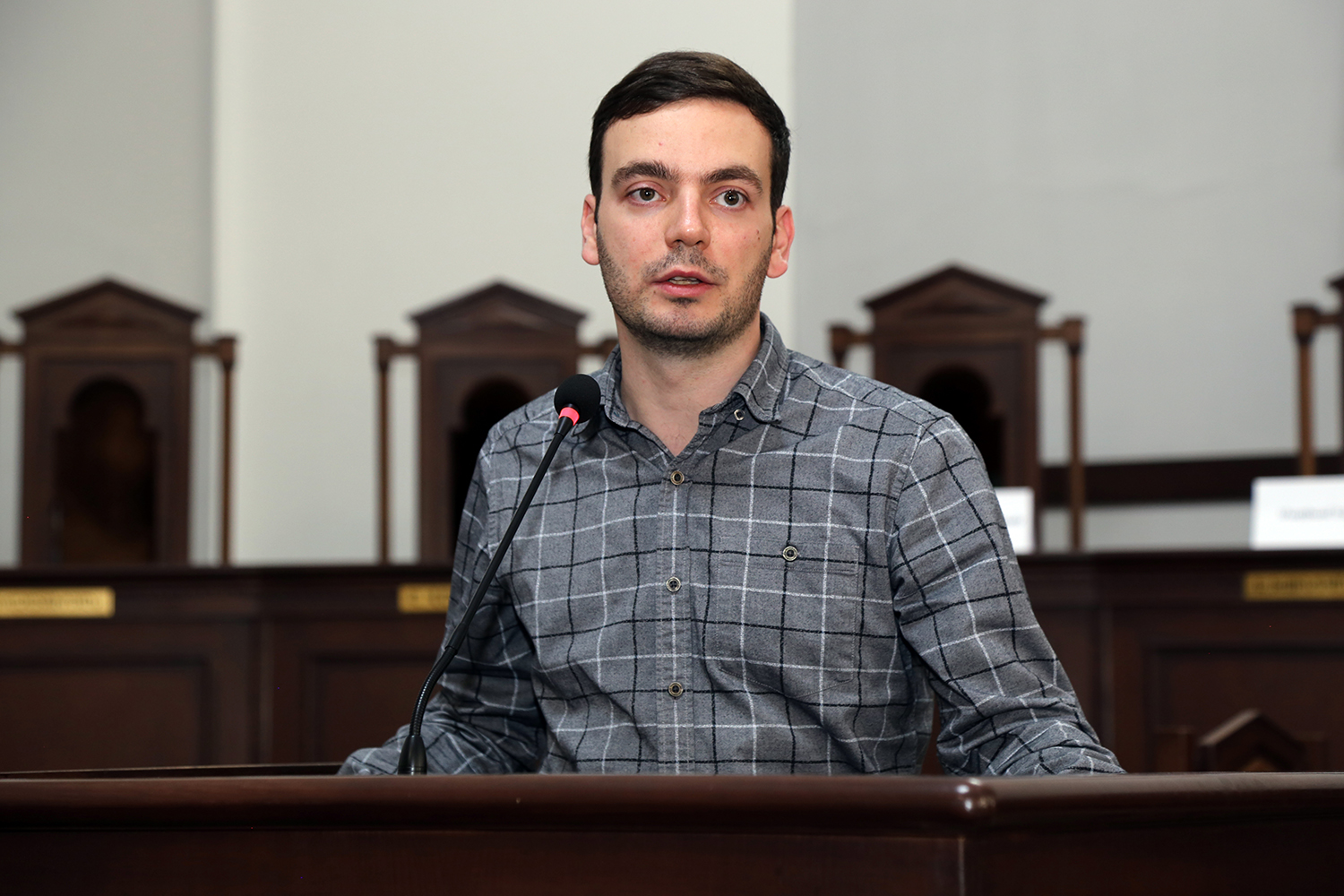
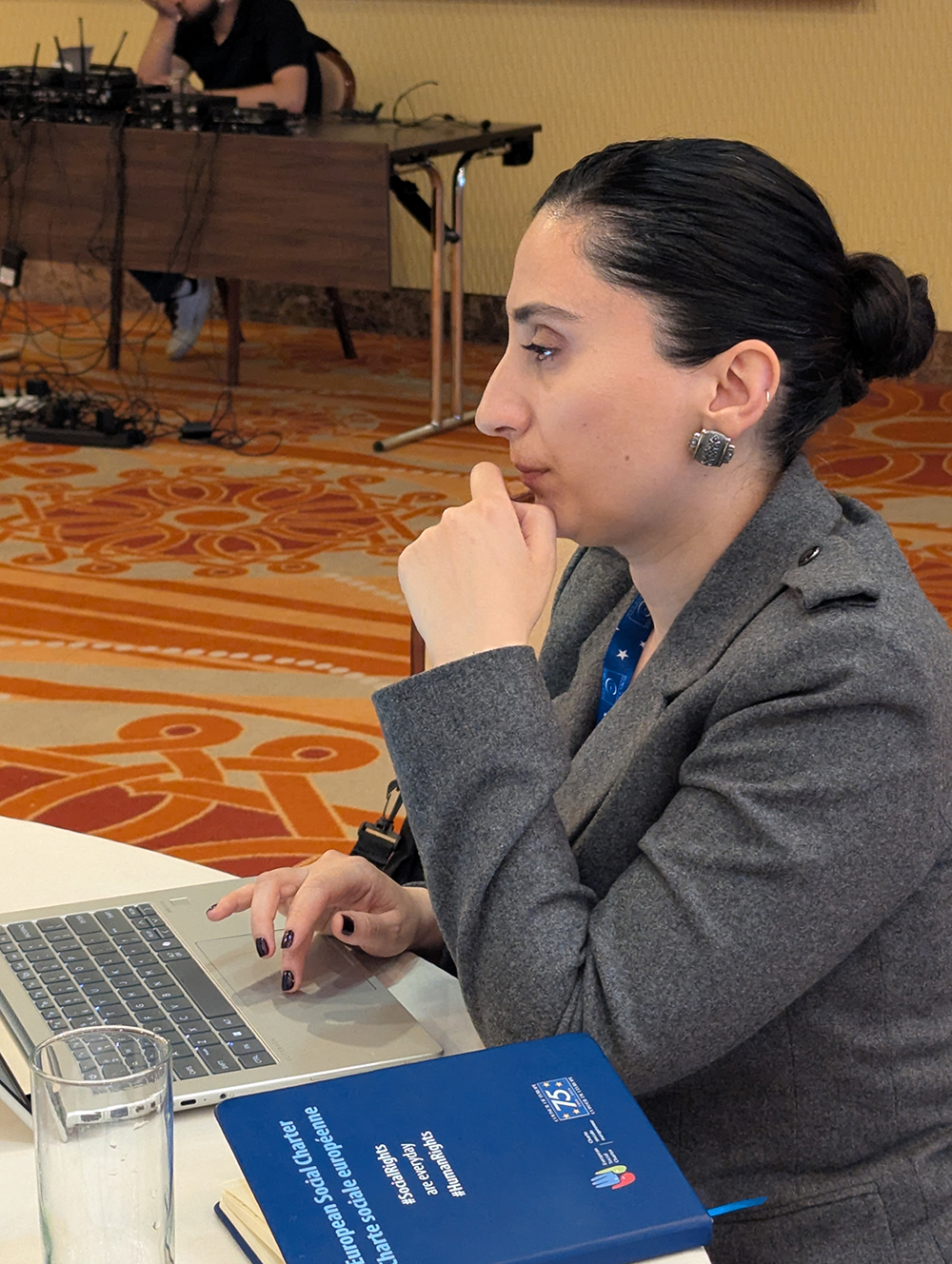
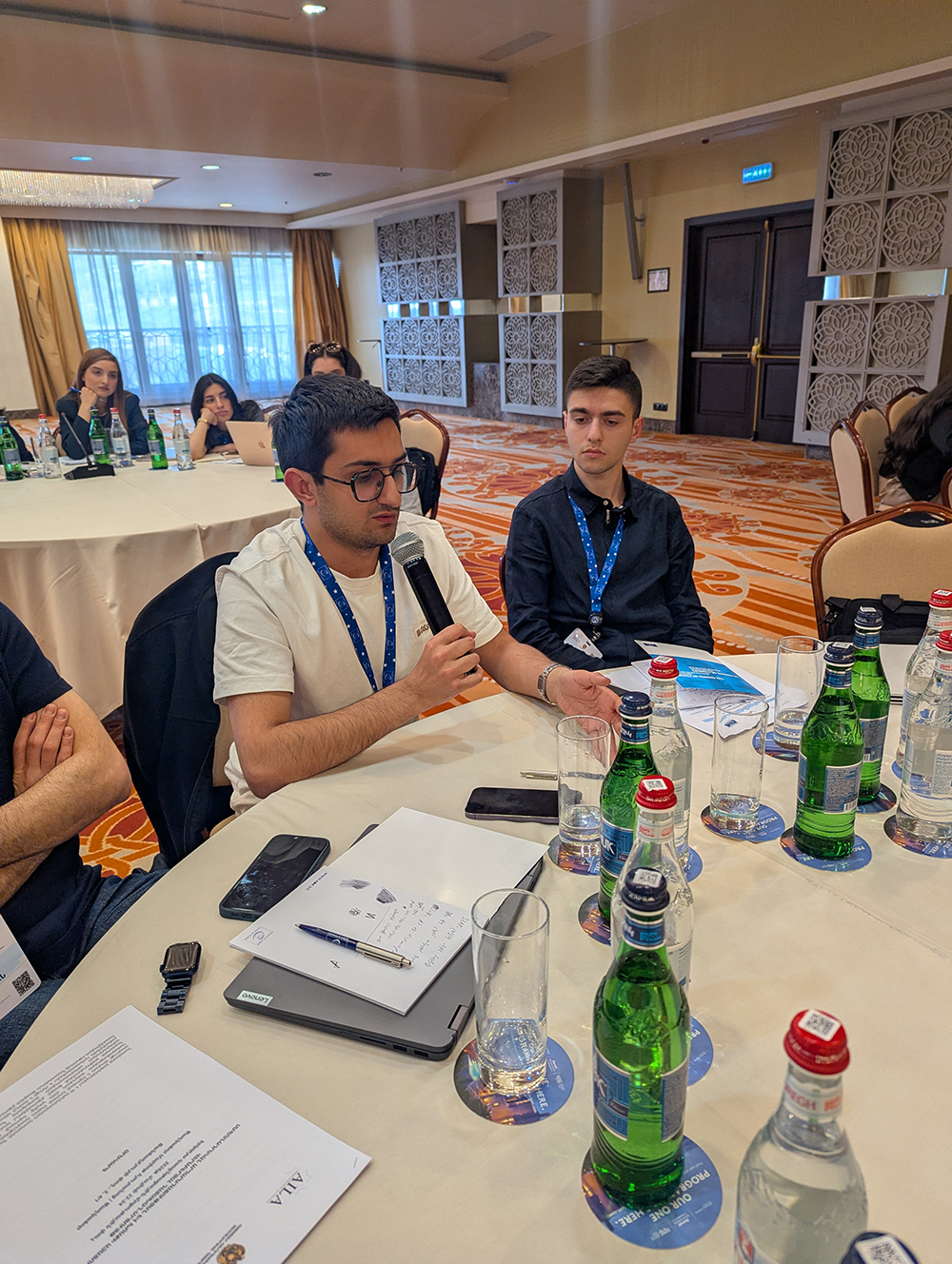
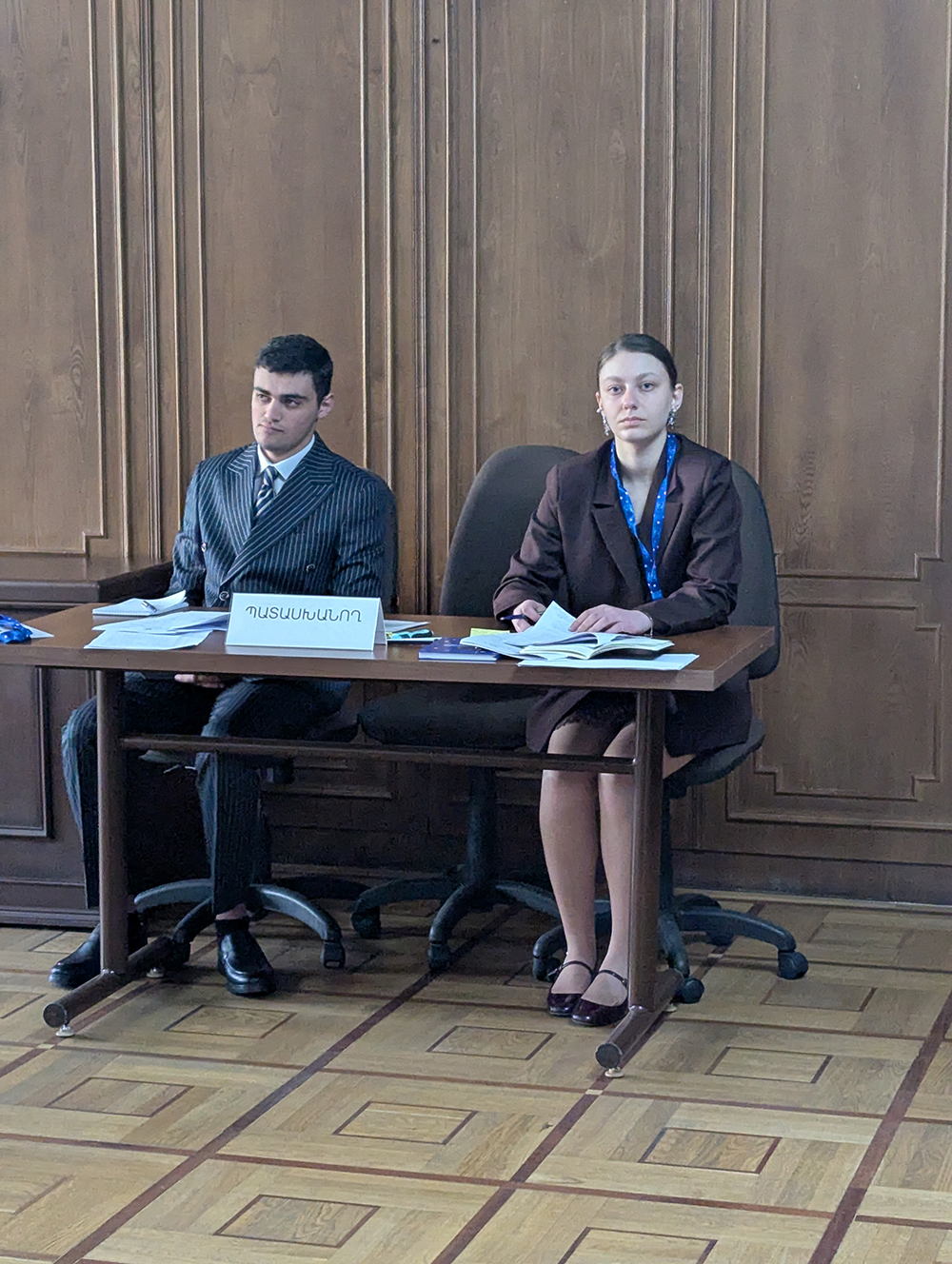
Eight teams from six higher education institutions across the Republic of Armenia participated in the competition: Yerevan State University, Public Administration Academy of the Republic of Armenia, French University in Armenia, Russian-Armenian University, American University of Armenia, and European University of Armenia. During the oral hearings phase, participants presented their legal arguments in a hypothetical case, acting as applicants and respondents. They answered questions from the moot court judges, demonstrating their knowledge of constitutional law and international human rights protection standards, as well as their legal reasoning and oral advocacy skills.
On the first day of the competition, 29 May, preliminary hearings were held. The teams that advanced to the final round subsequently participated in the final hearing on 30 May.
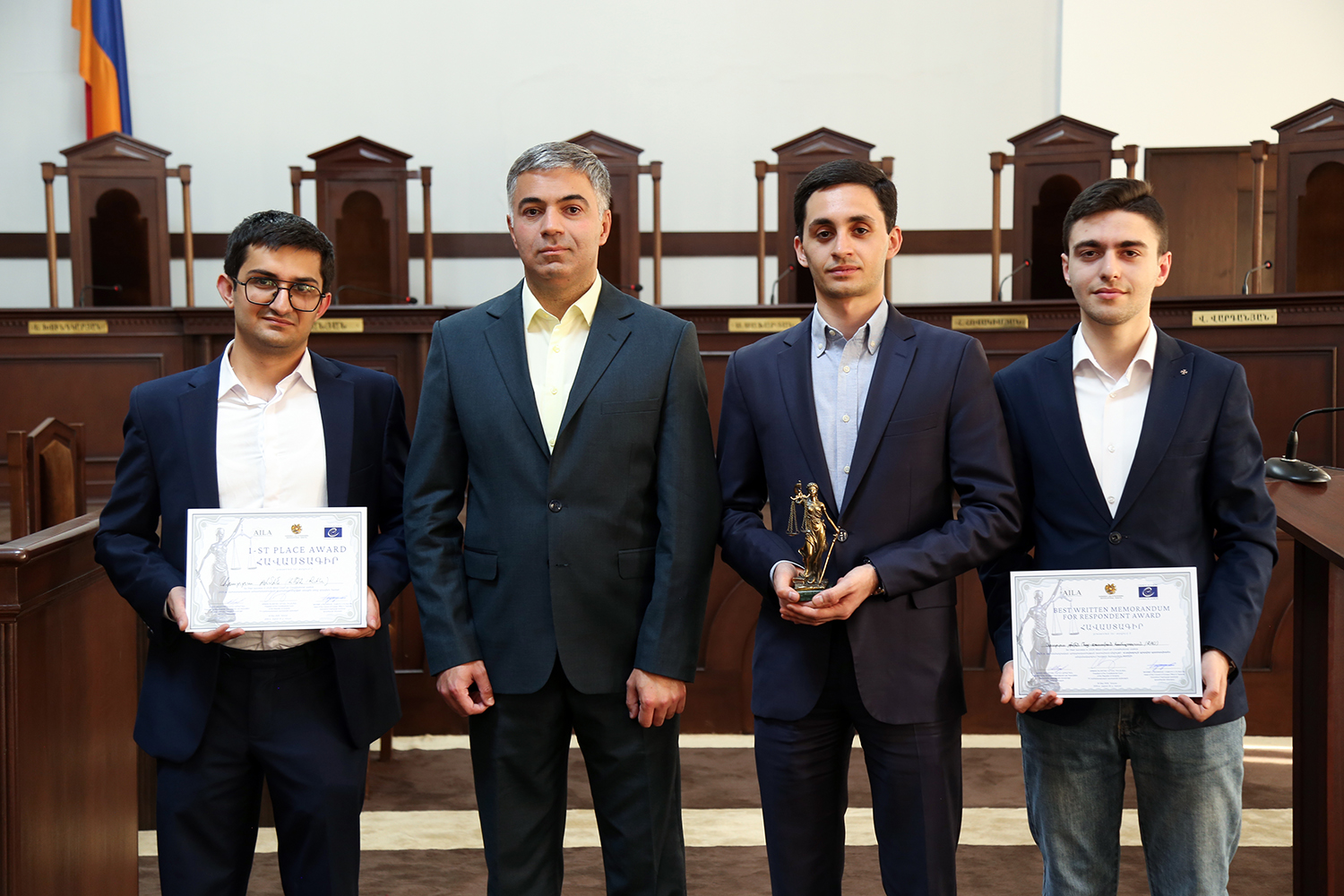
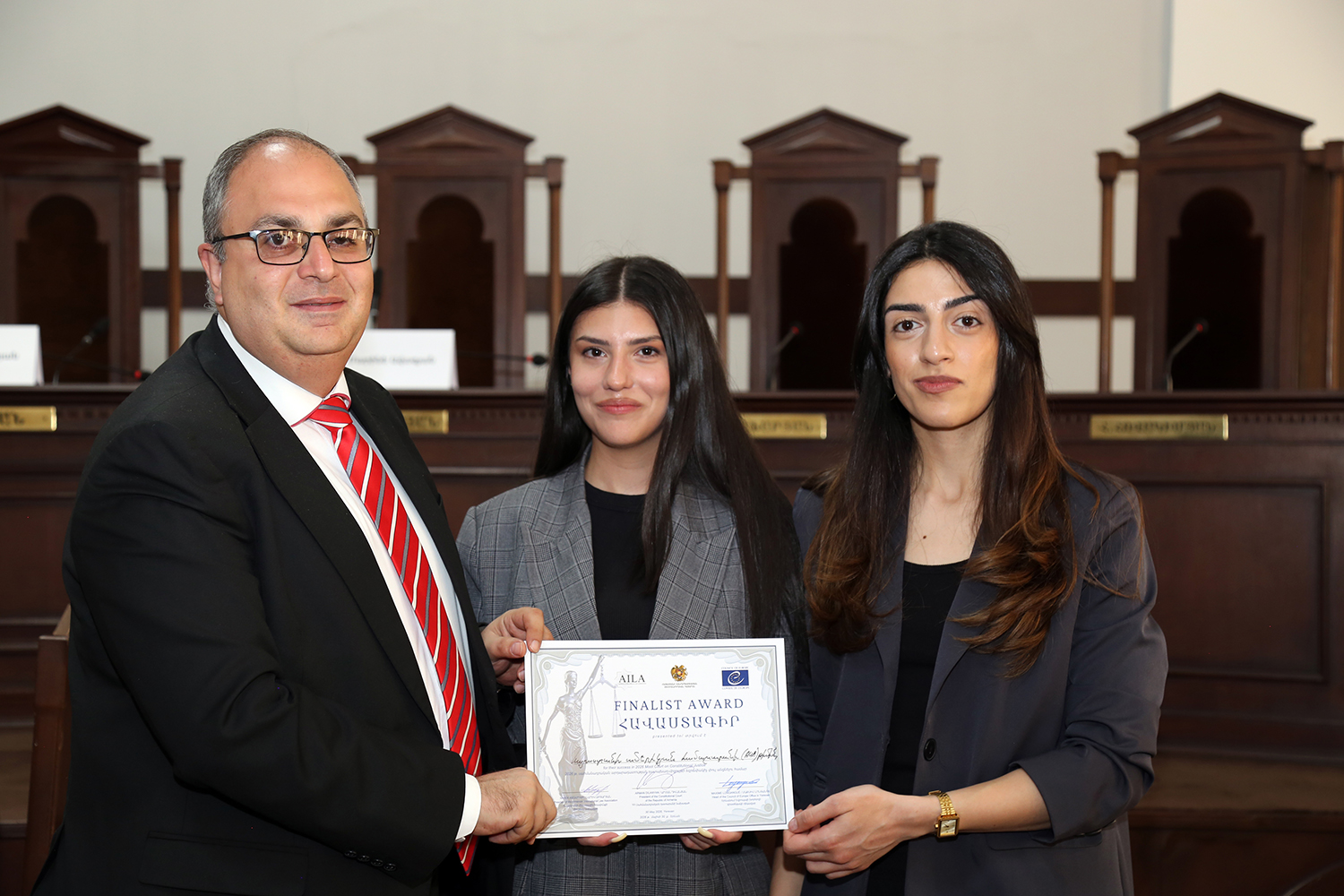
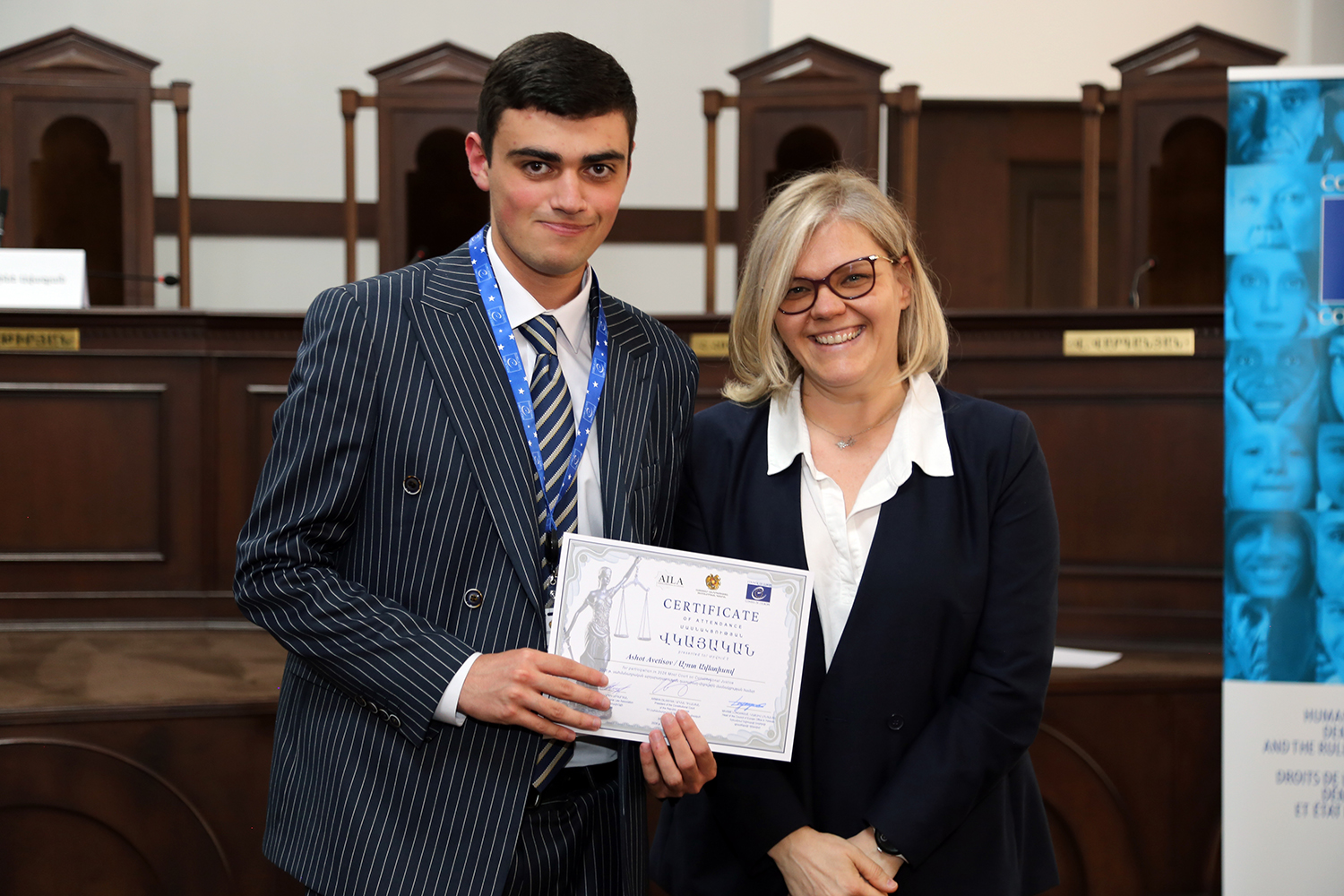
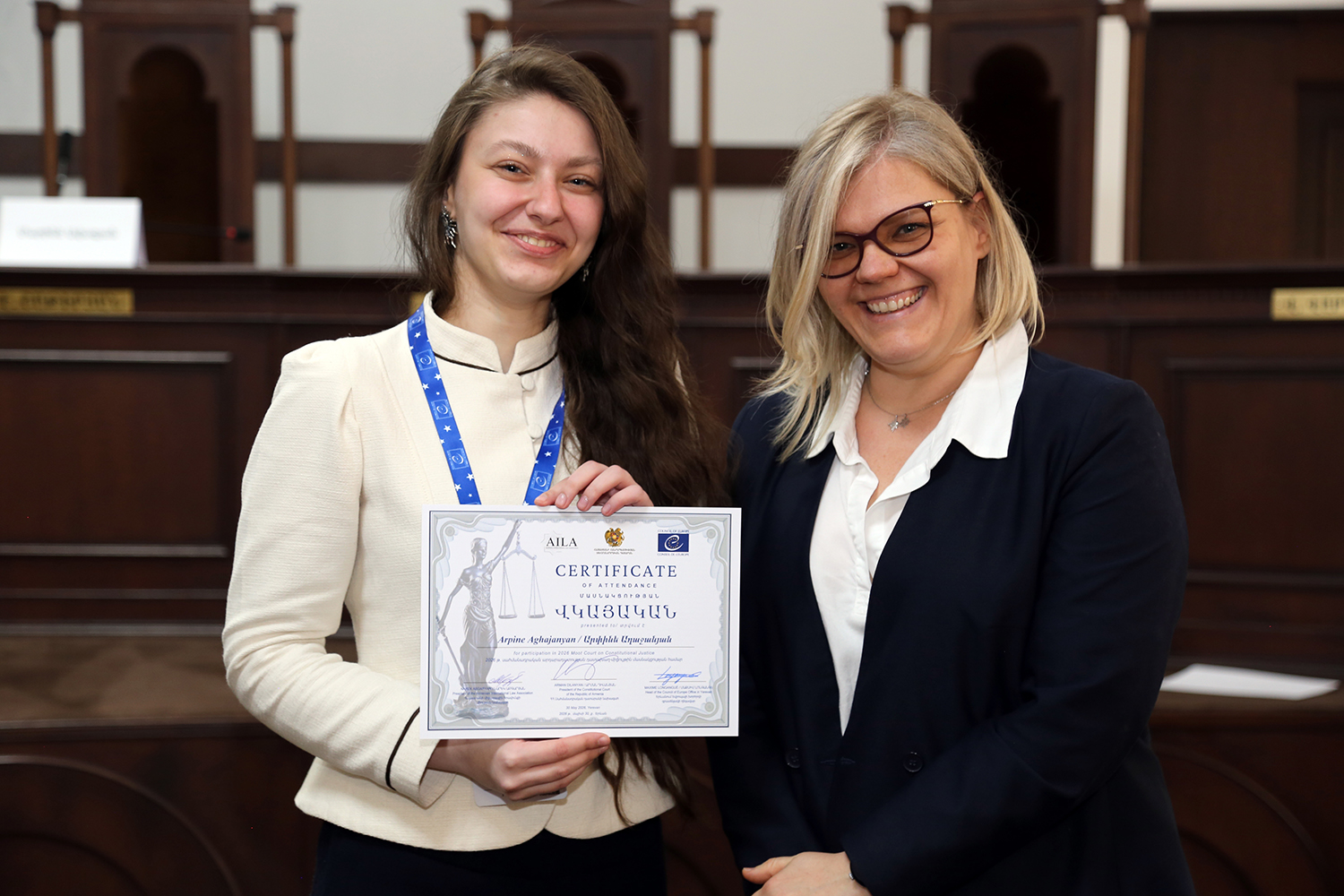
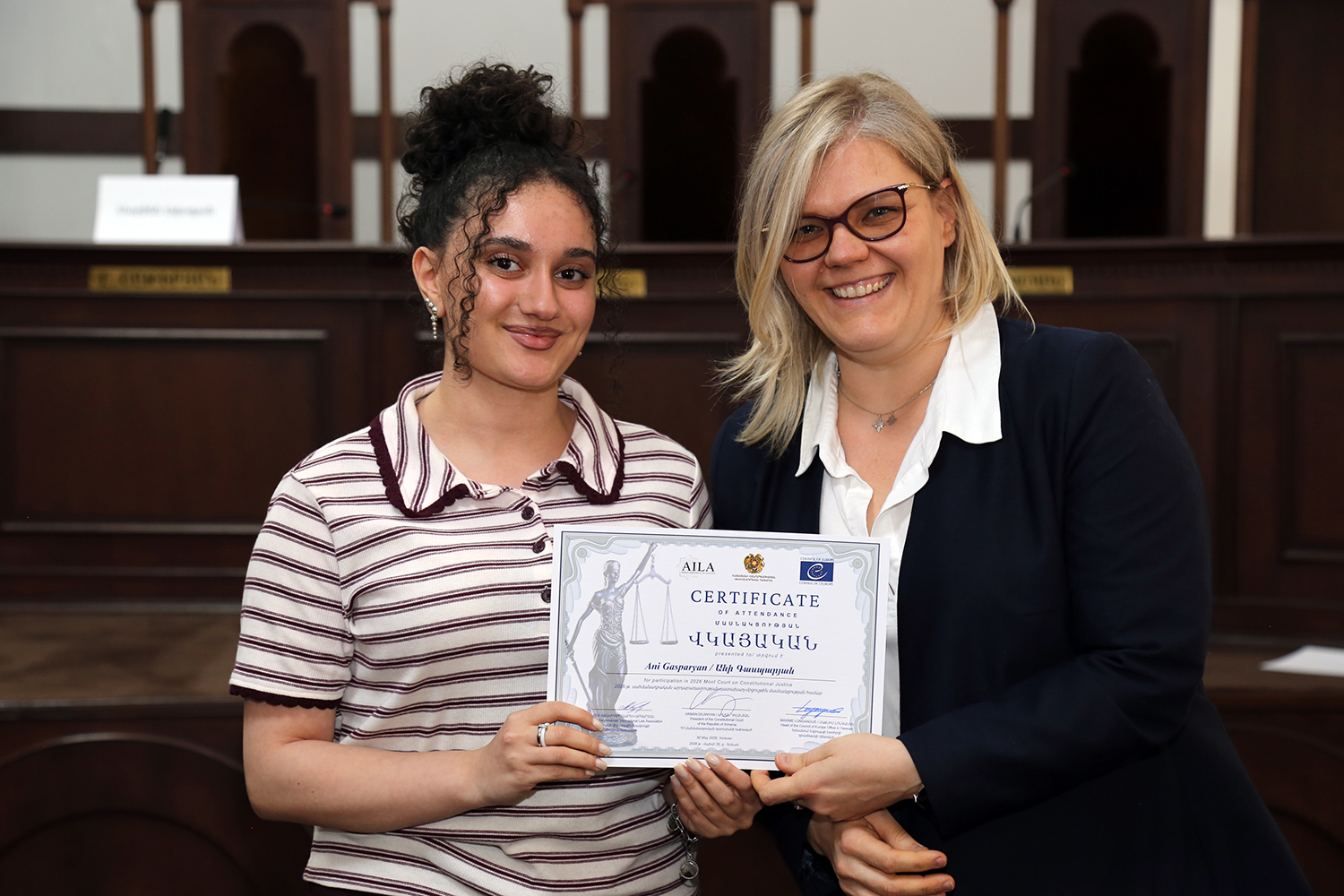
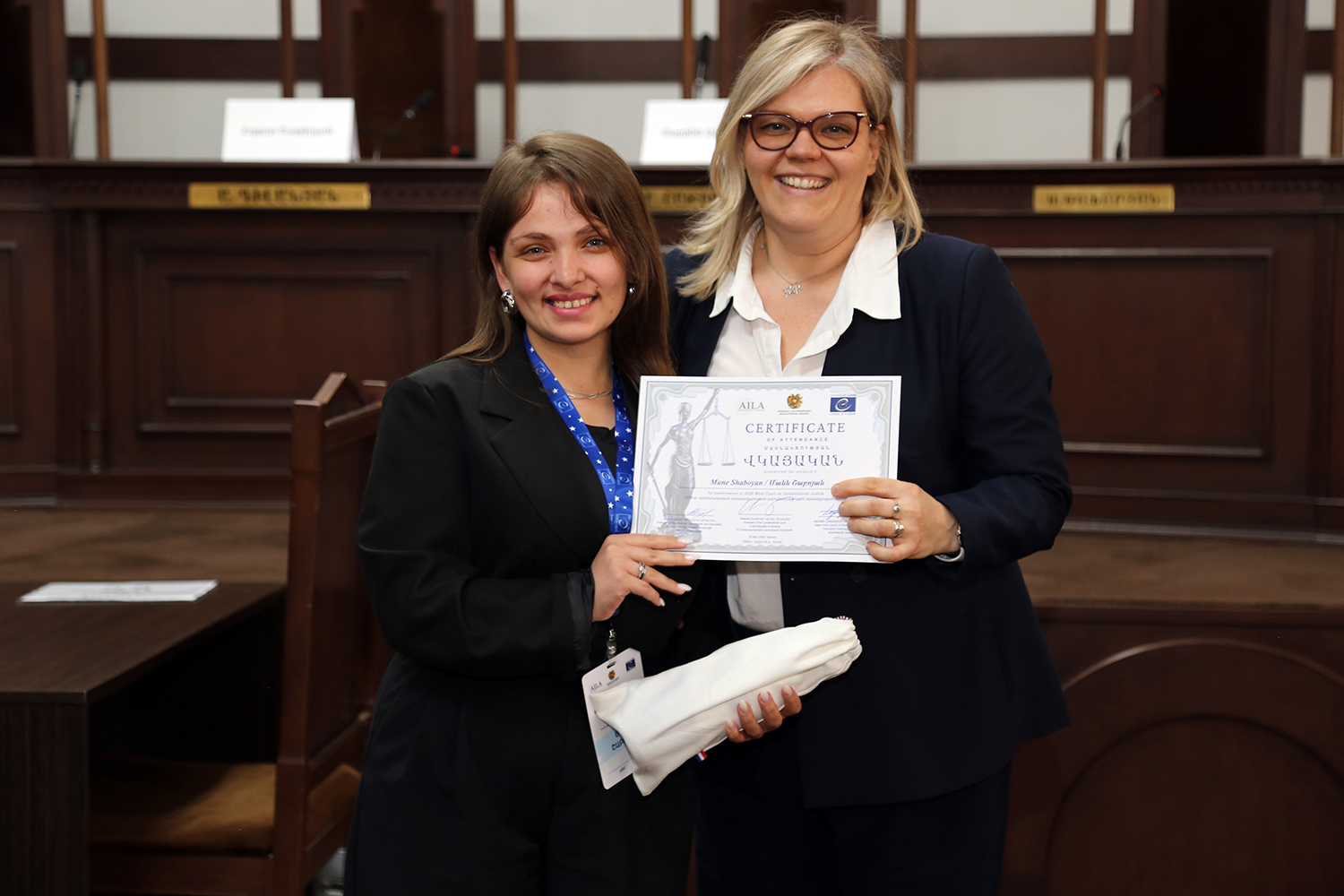
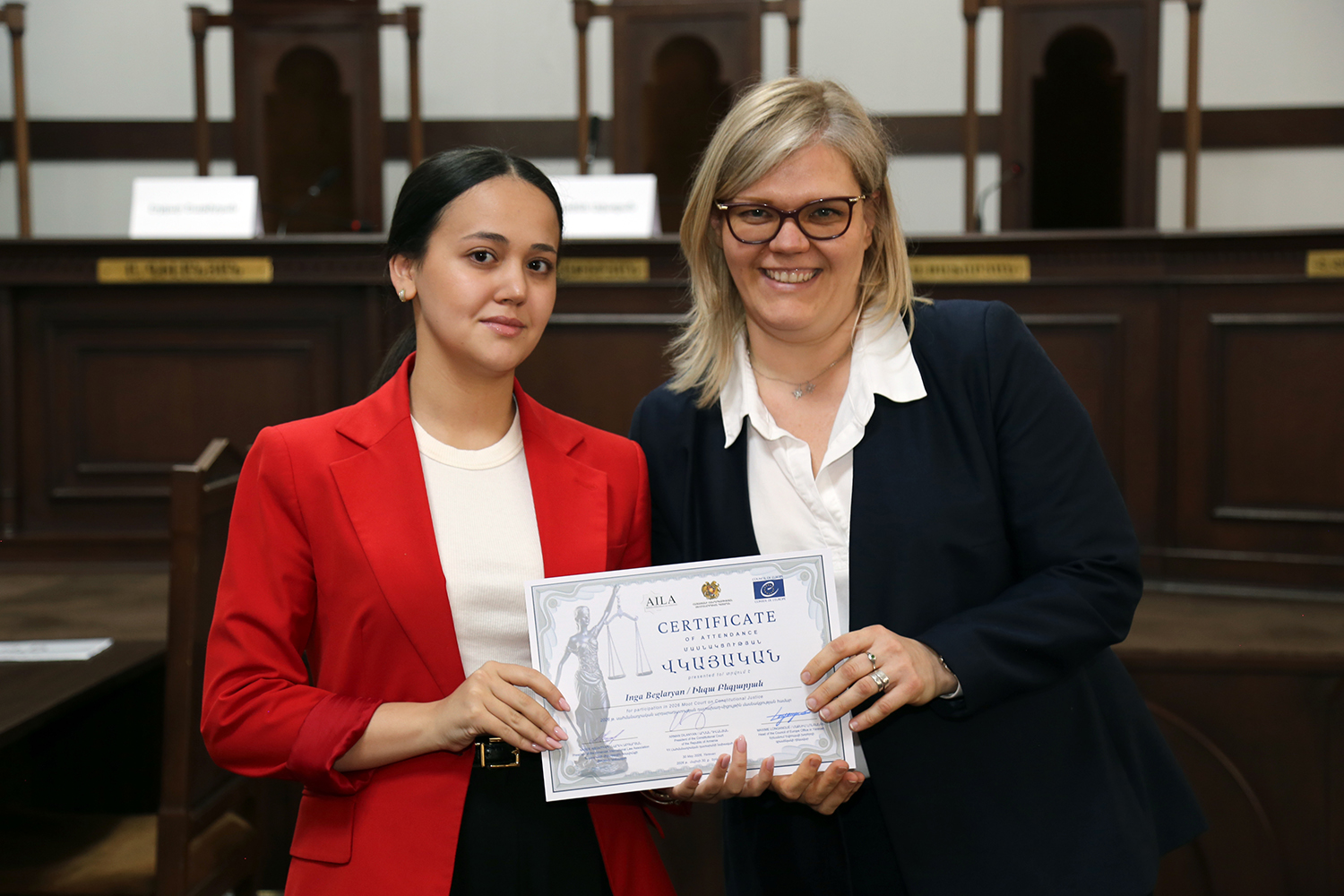
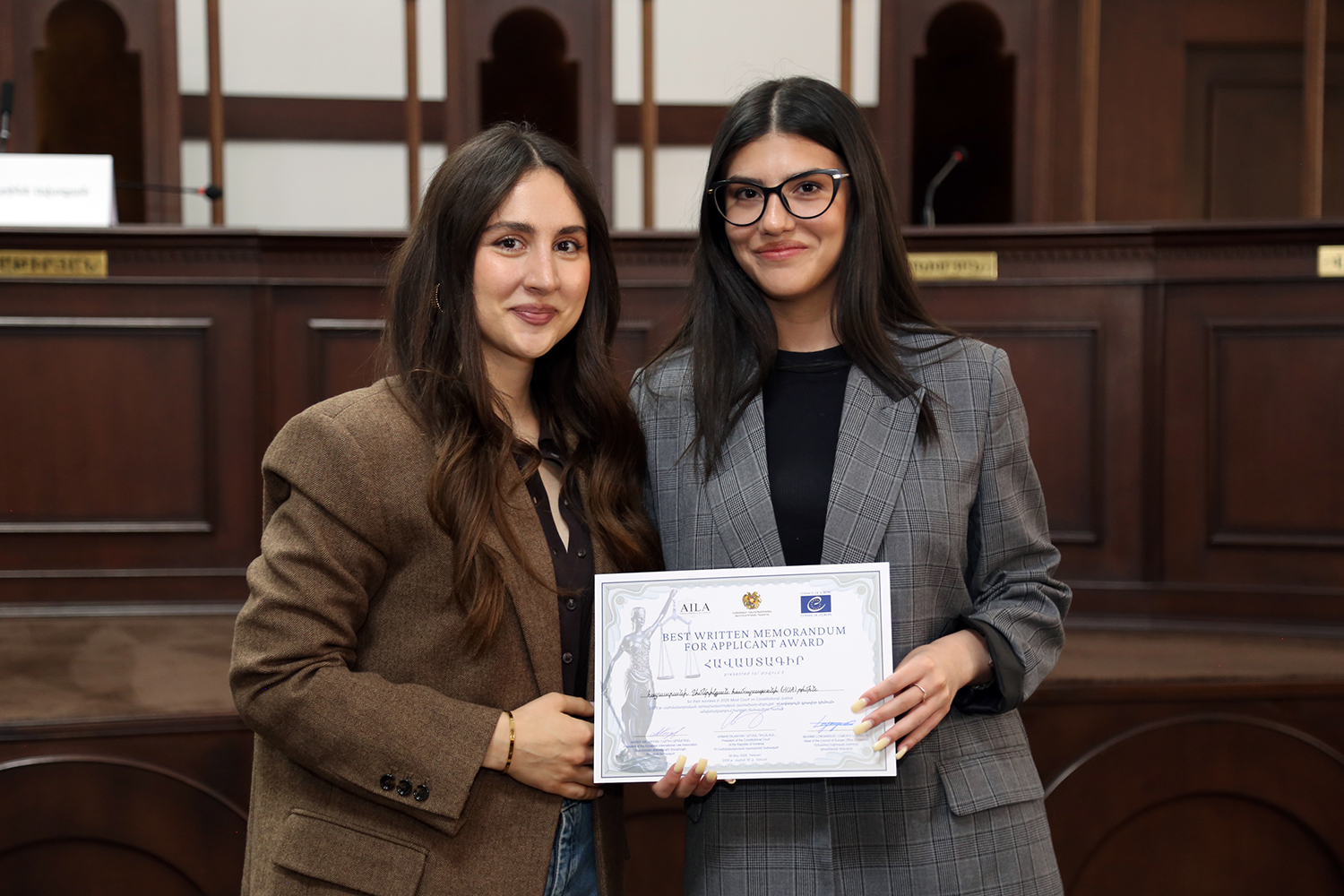
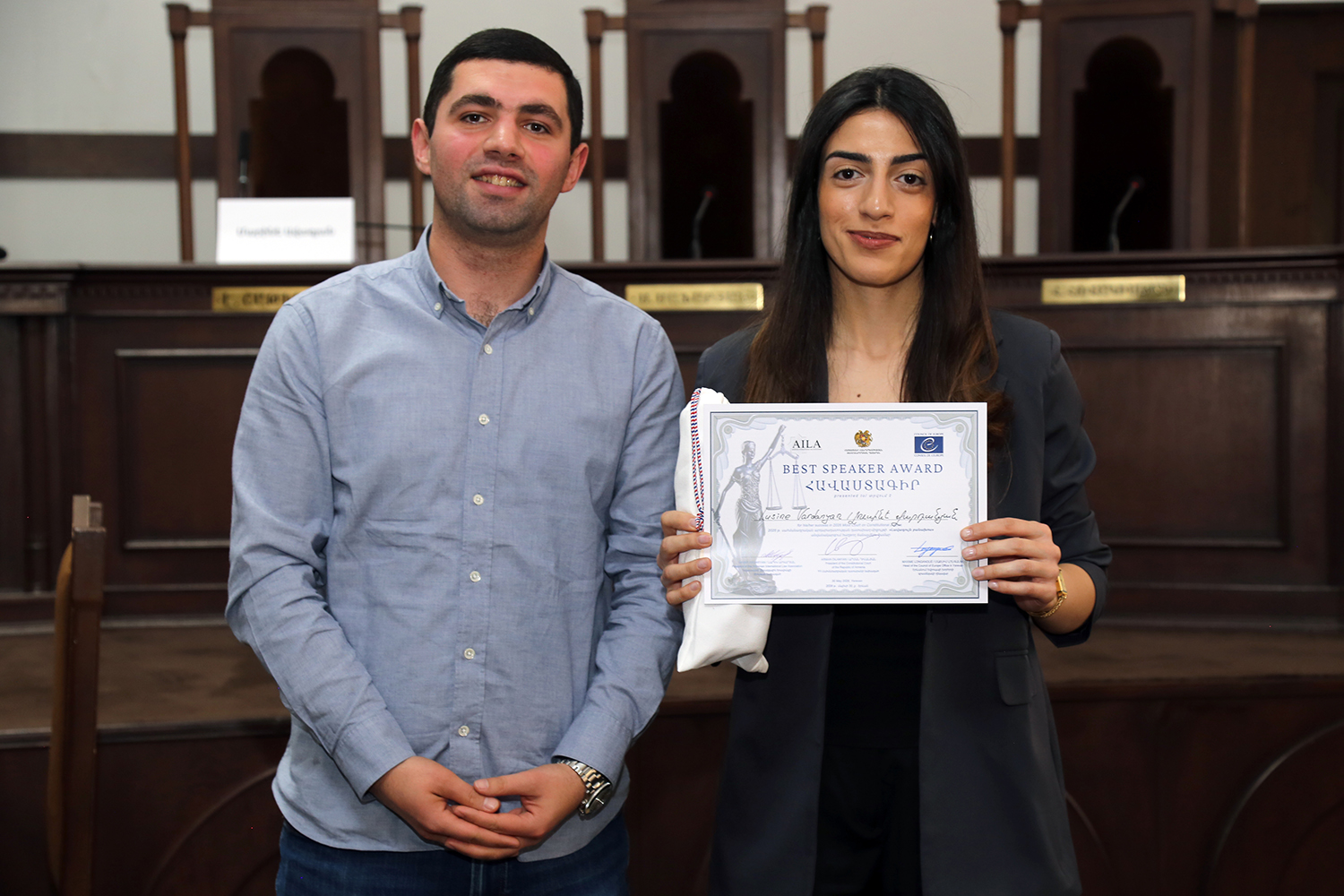
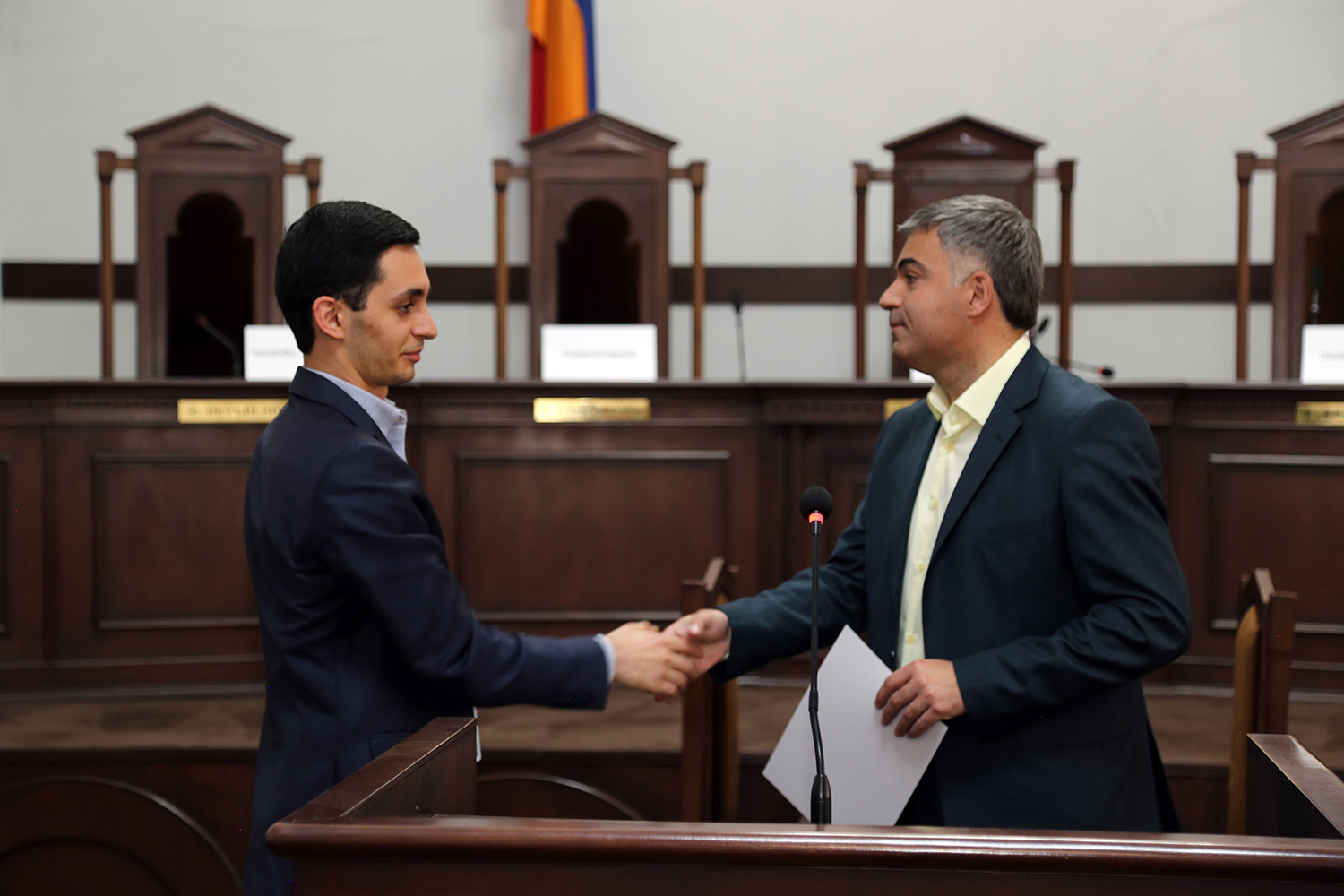
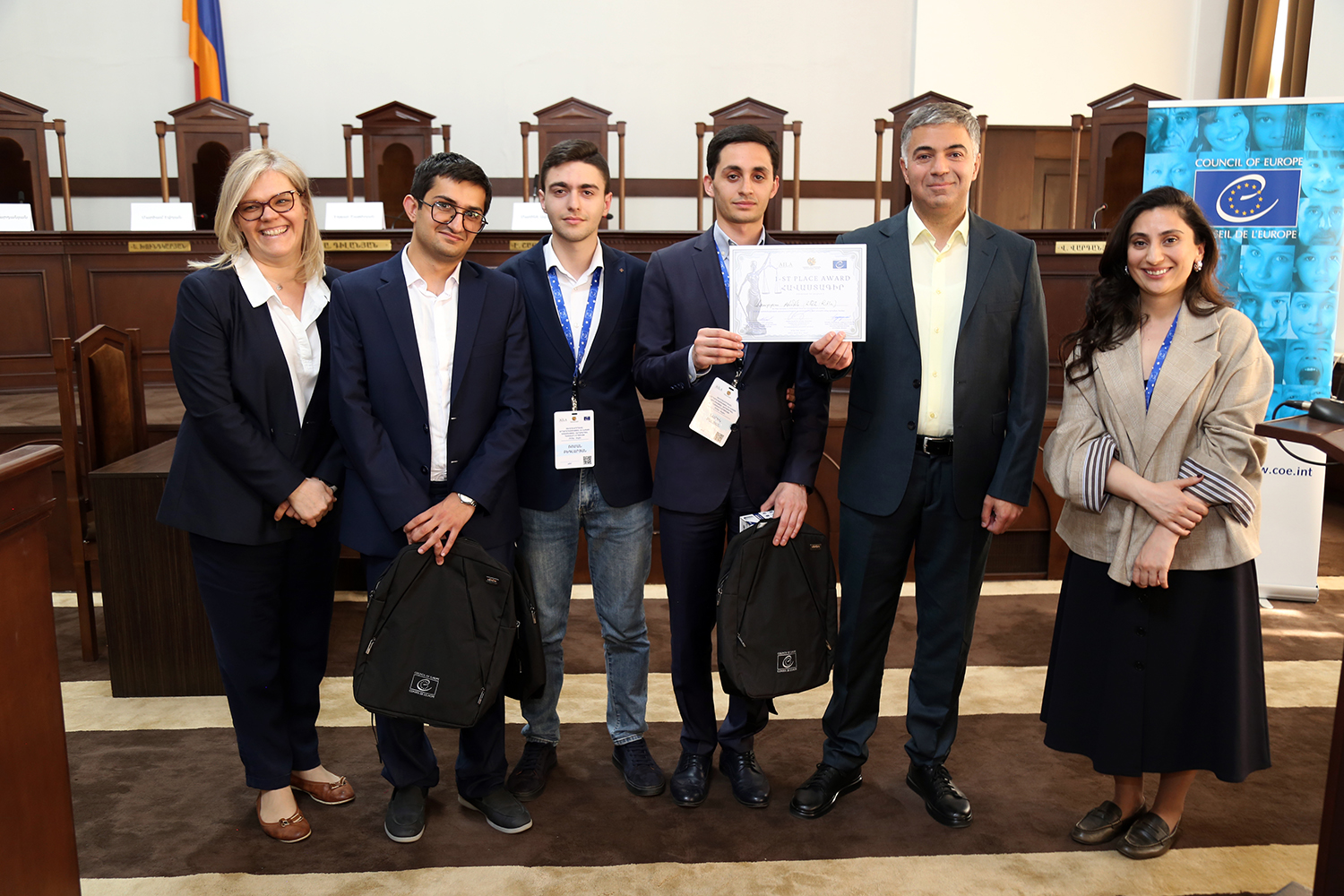
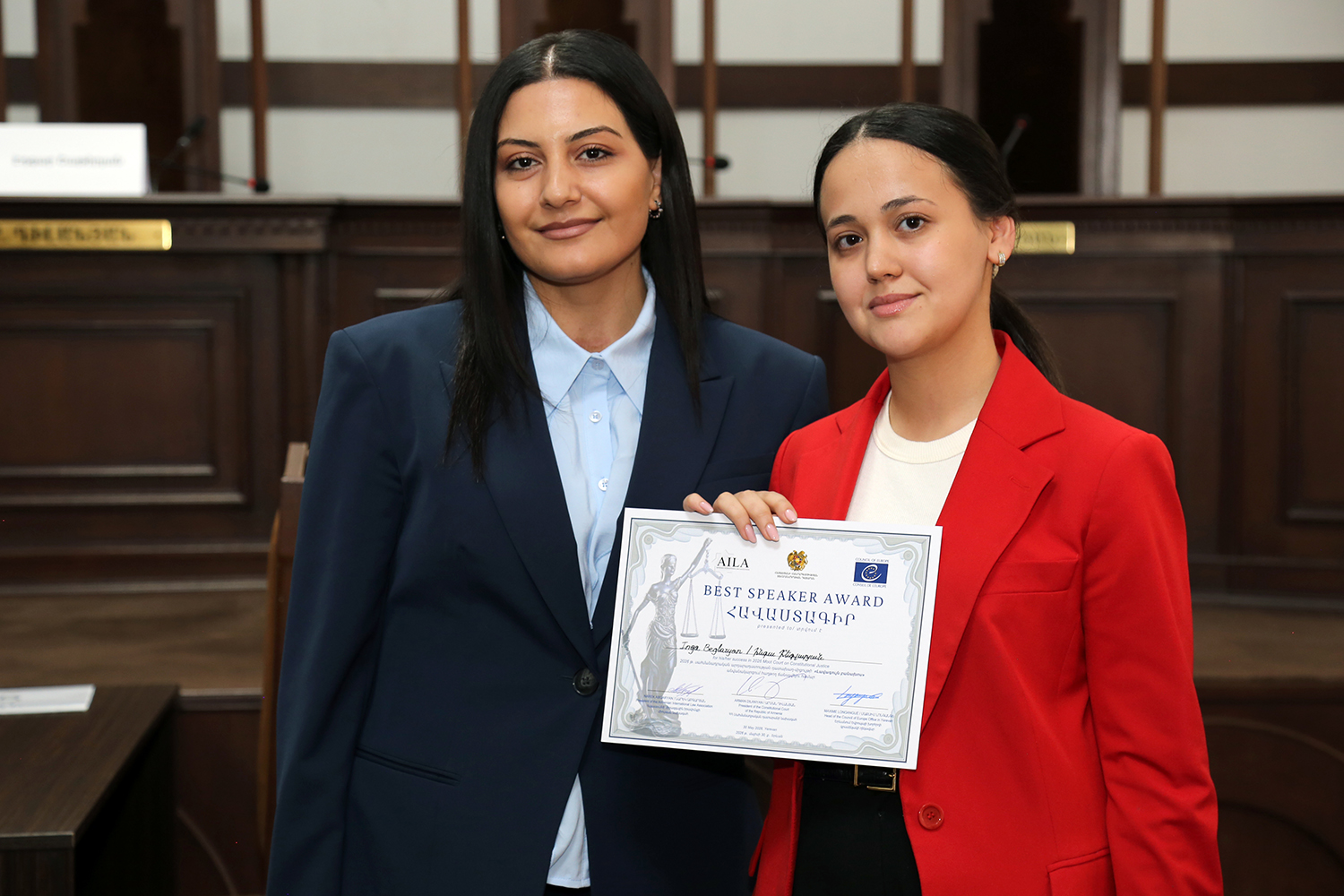
Based on the assessment of the participants’ knowledge, professional preparedness, and moot court skills by the judging panel, awards were presented in five categories. The first and second prizes were awarded to the teams of the Russian-Armenian University and the American University of Armenia, respectively. The “Best Oral Advocate” award was shared by Inga Beglaryan (French University in Armenia) and Lusine Vardanyan (American University of Armenia). The “Best Written Application” award was granted to the team of the American University of Armenia, while the “Best Written Response” award was presented to the “Aratta” team of the Russian-Armenian University.
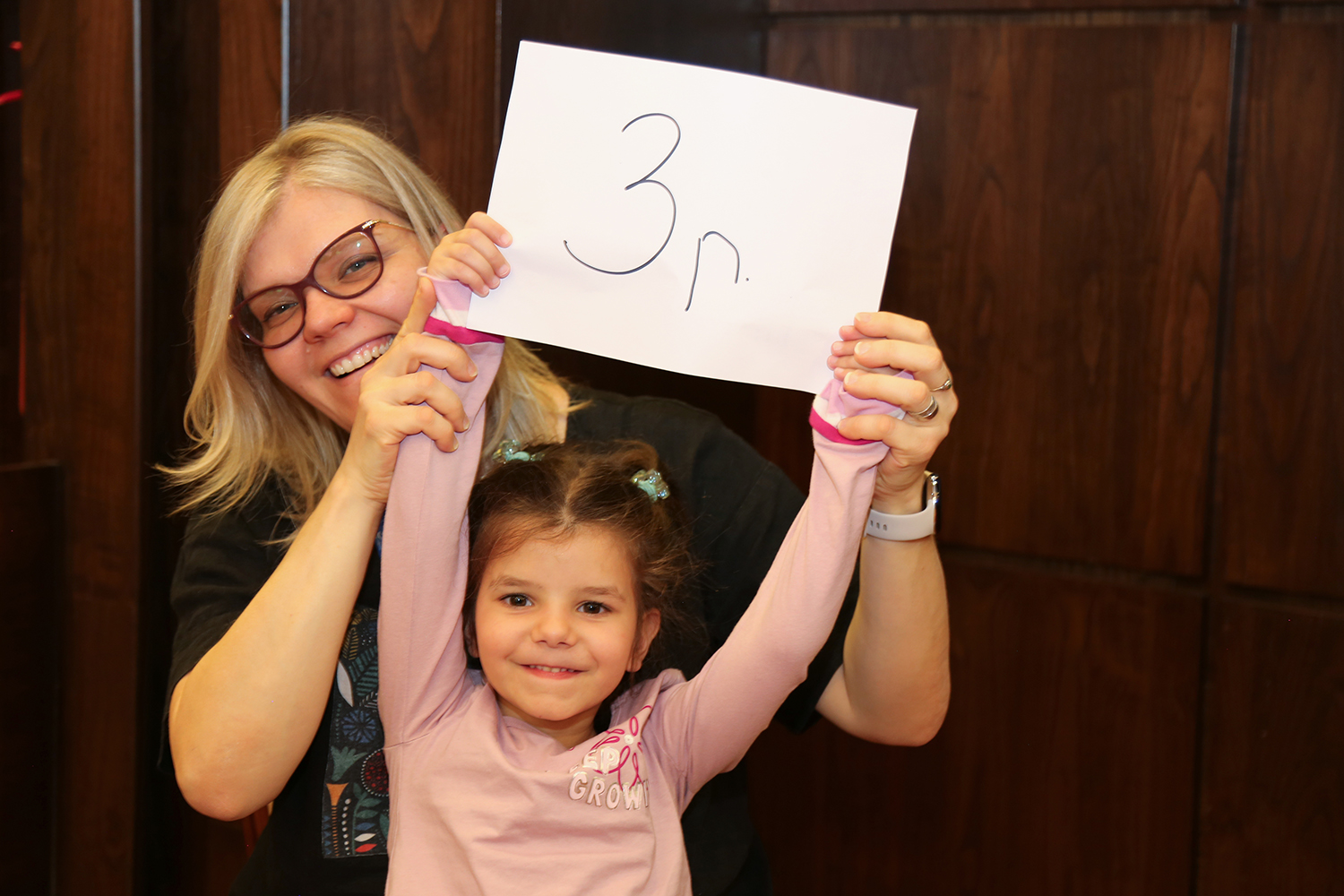
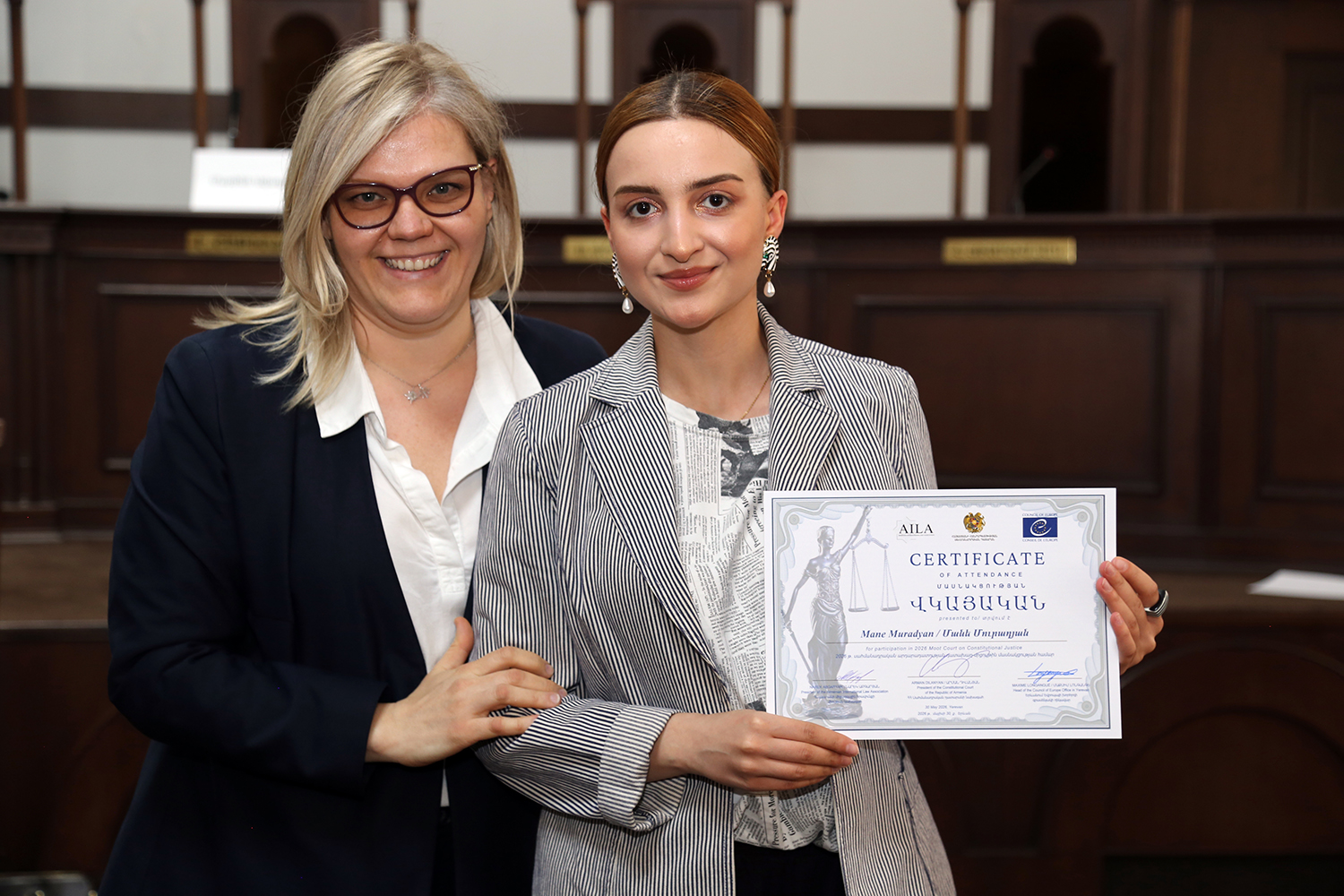
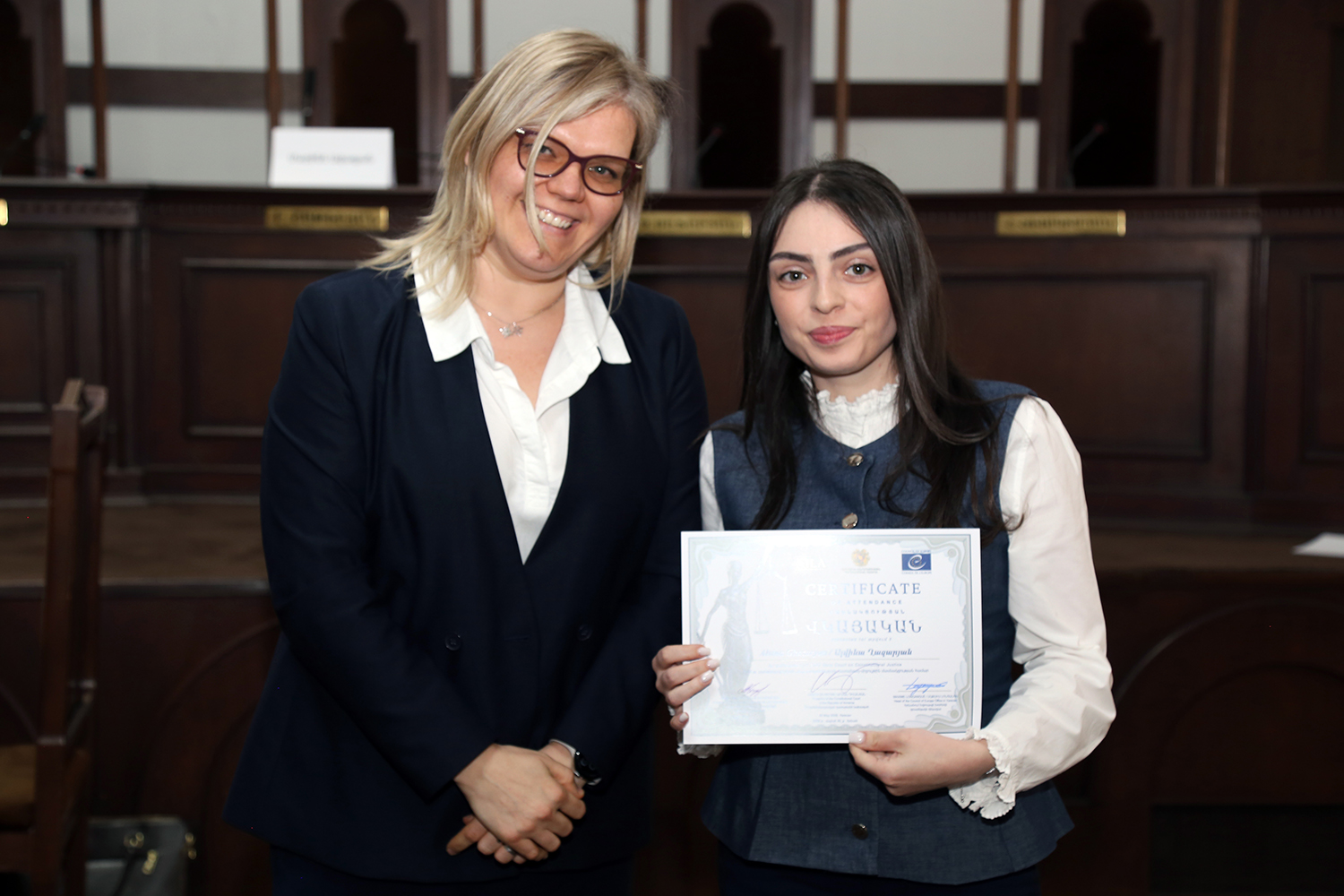
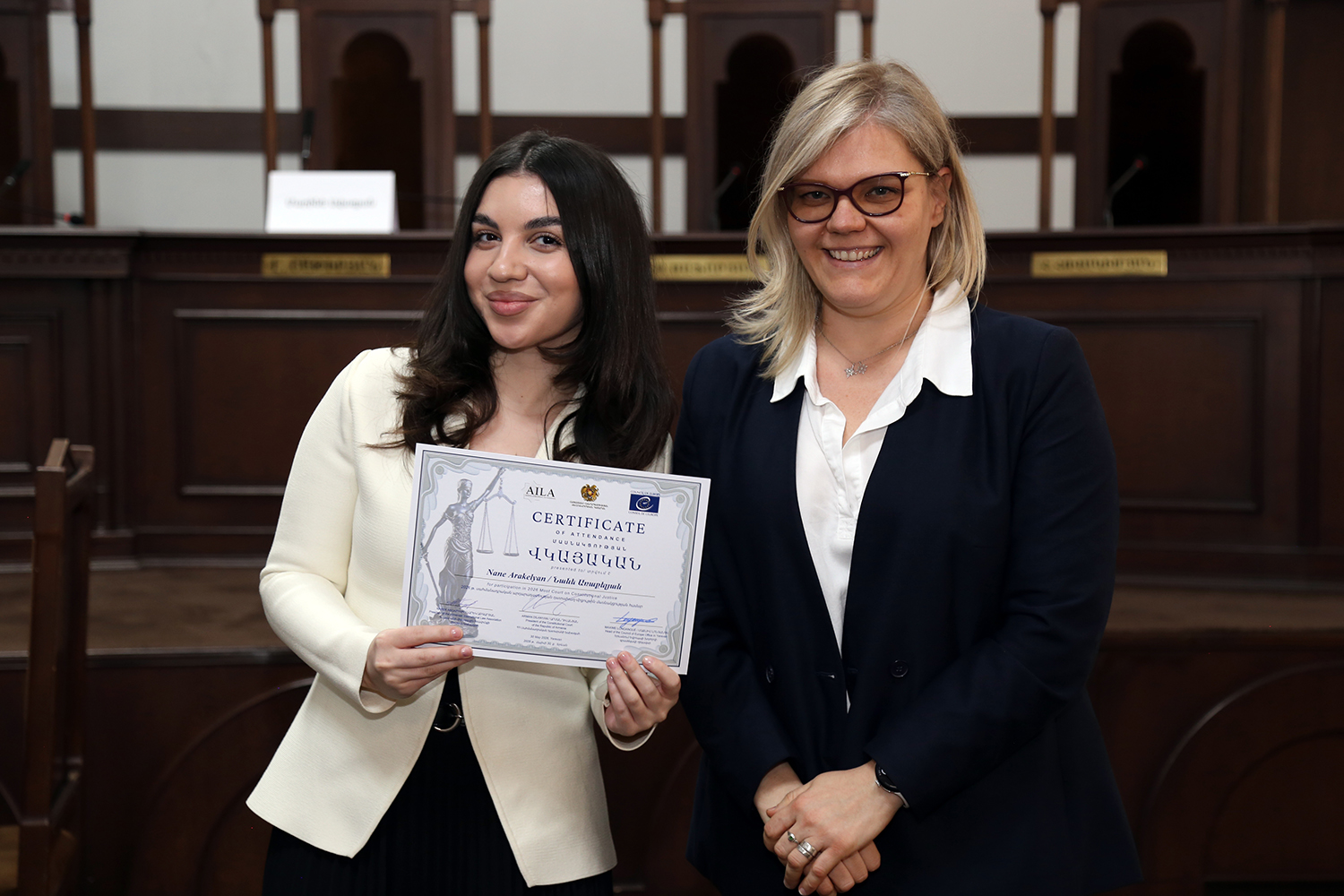
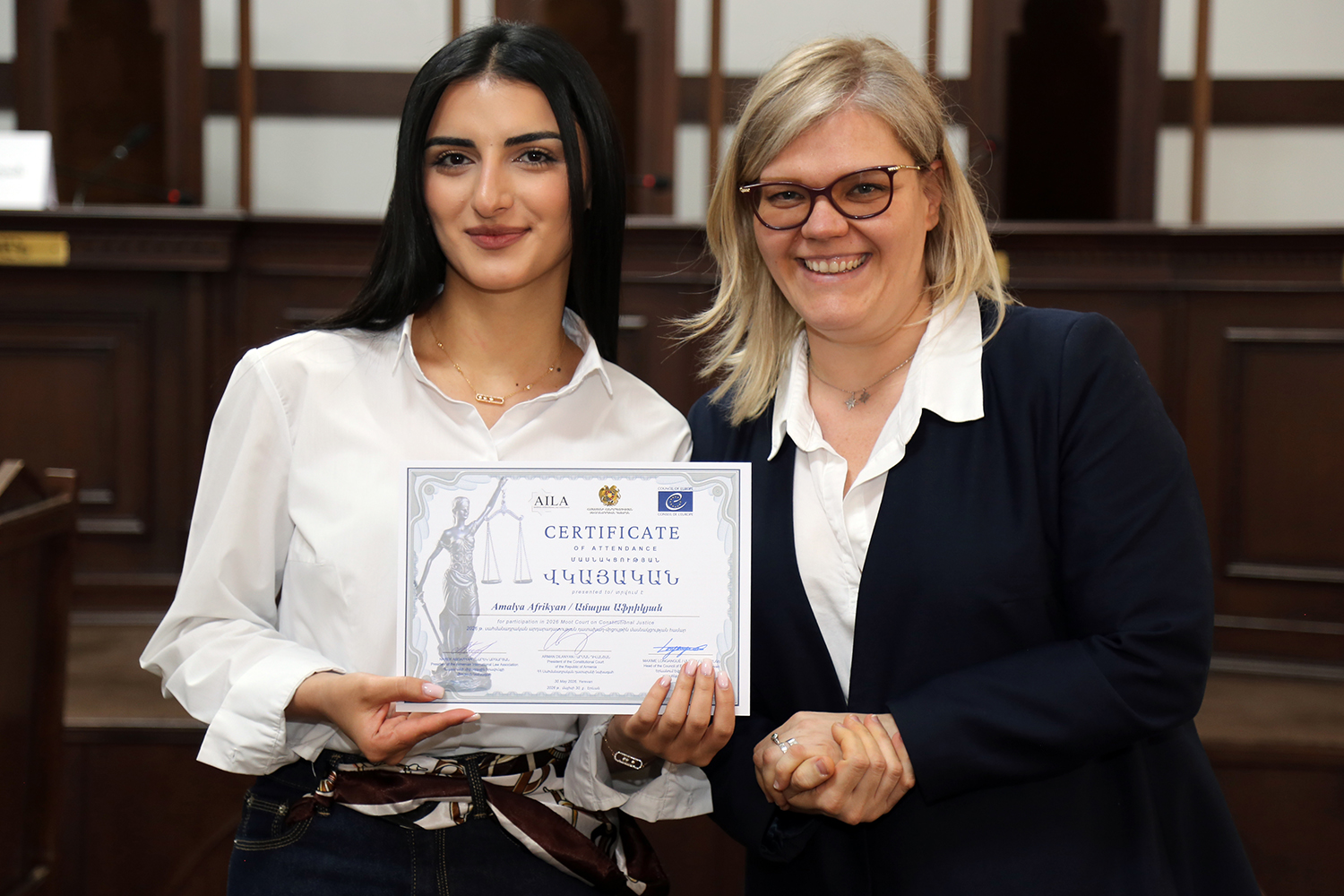
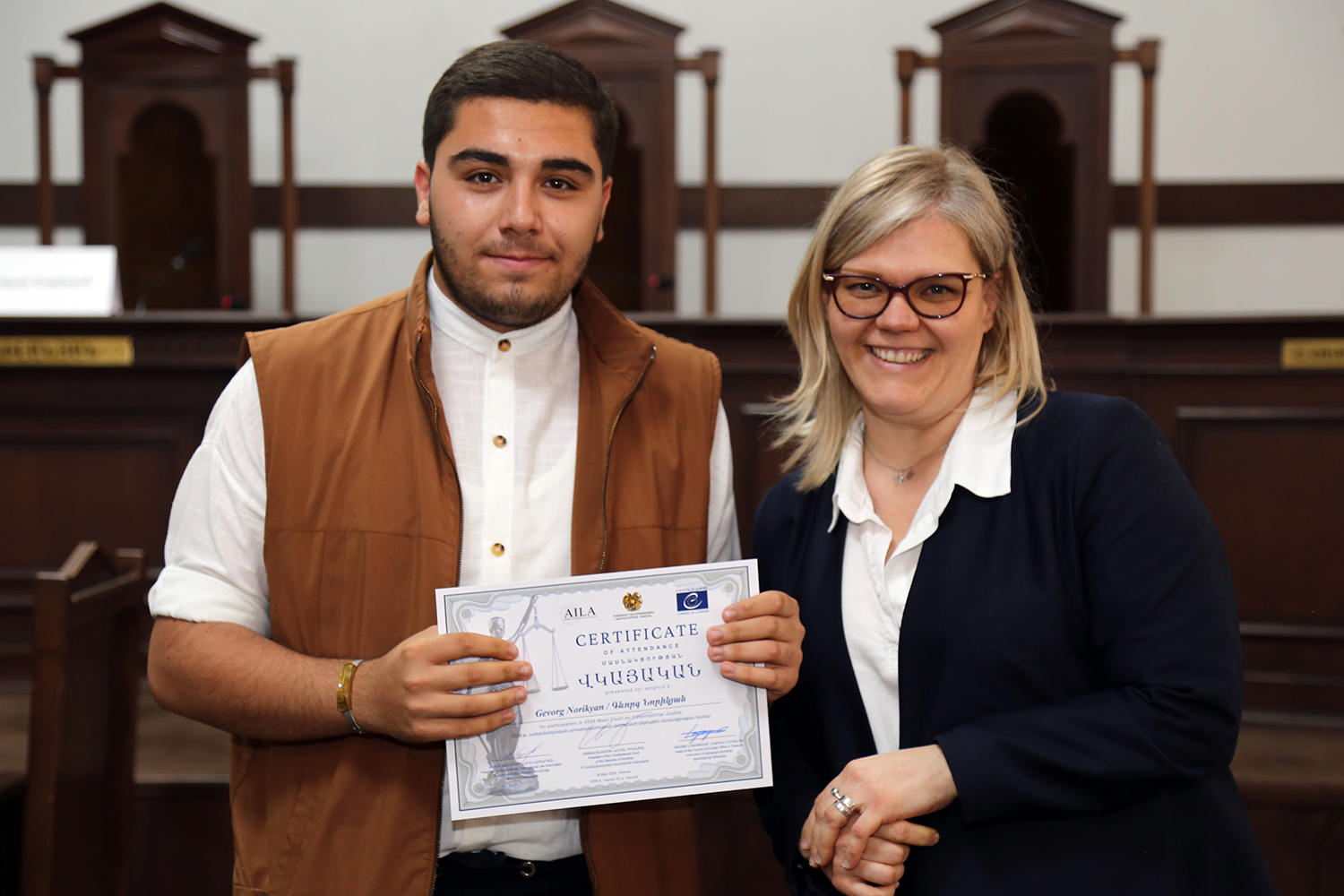
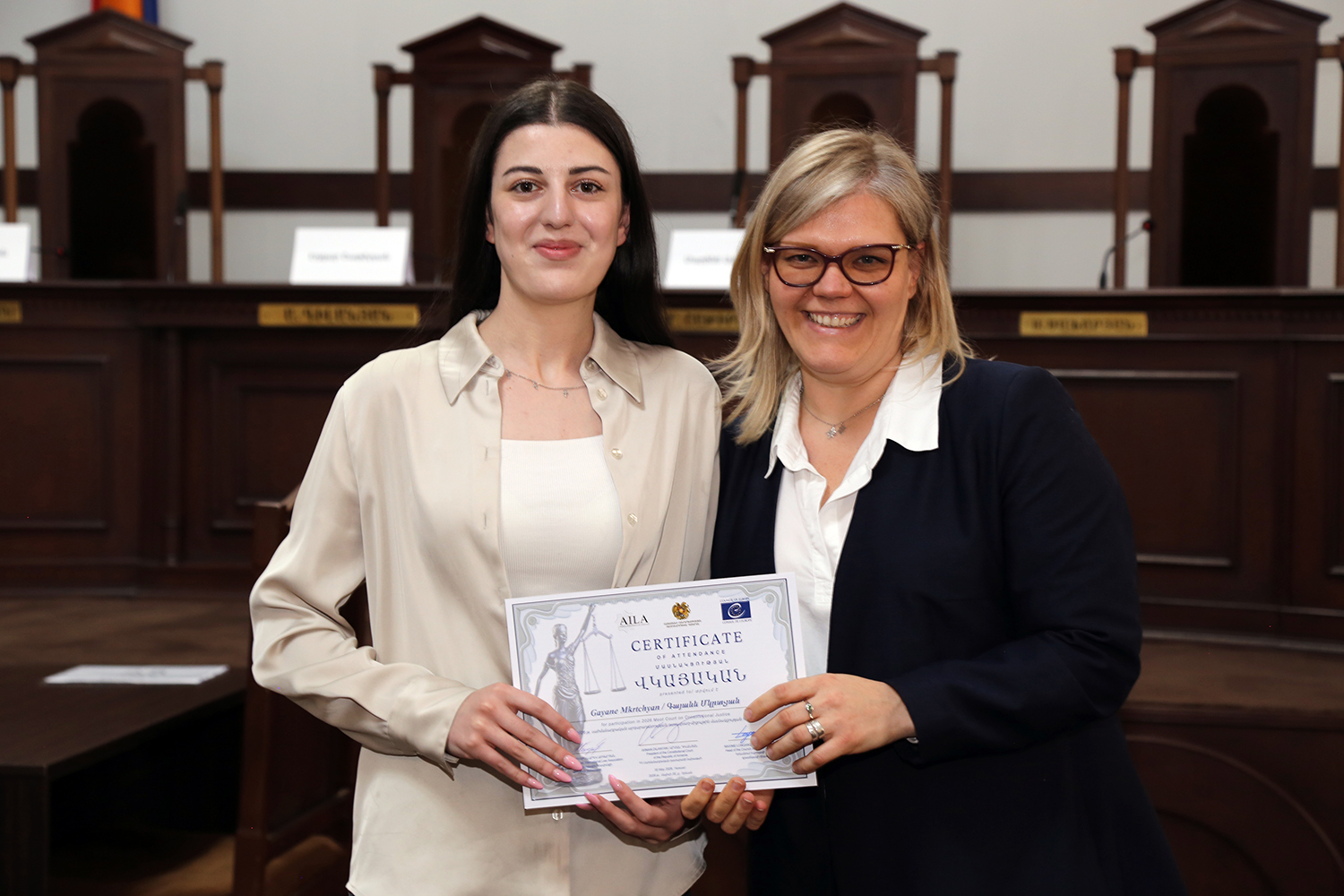
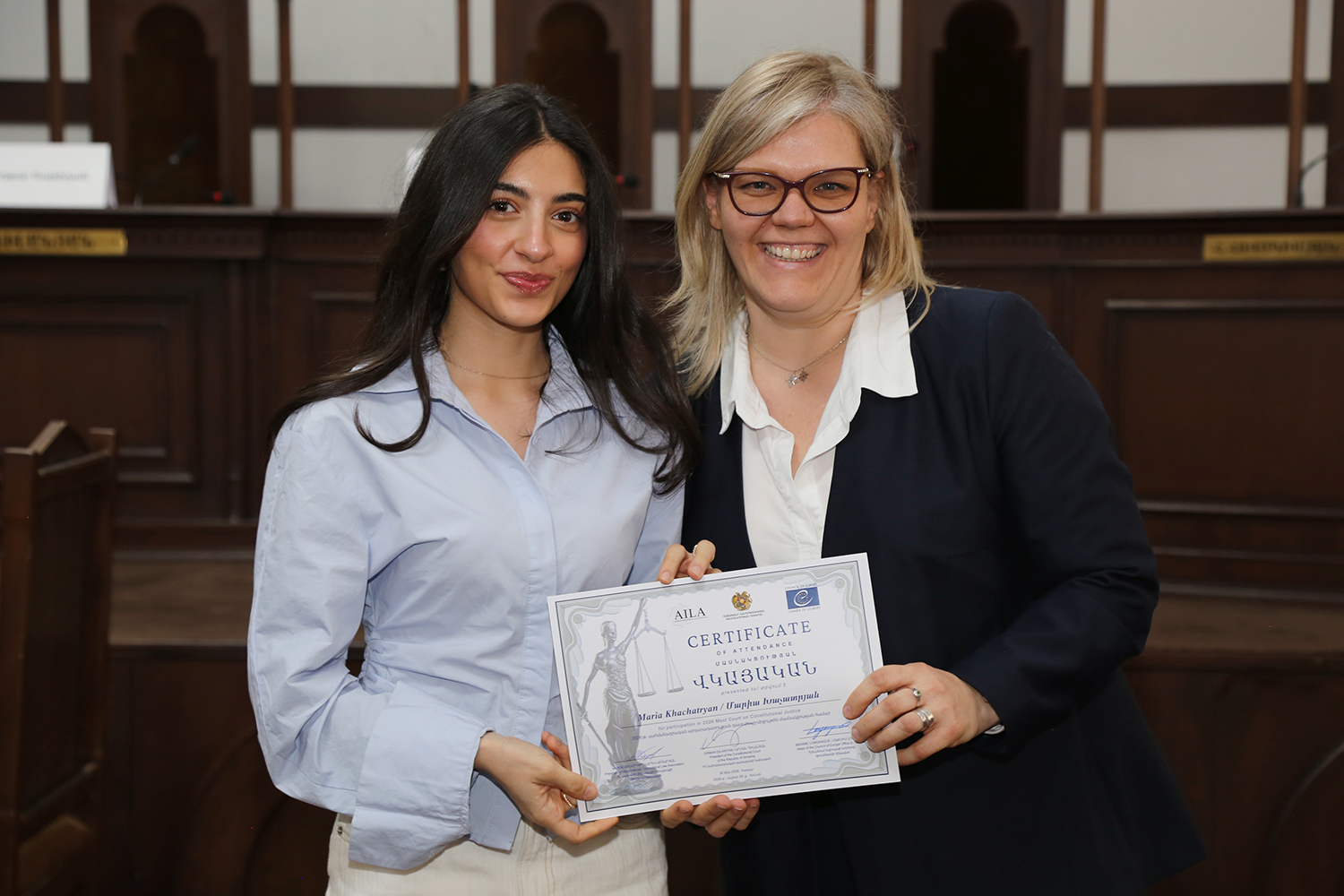
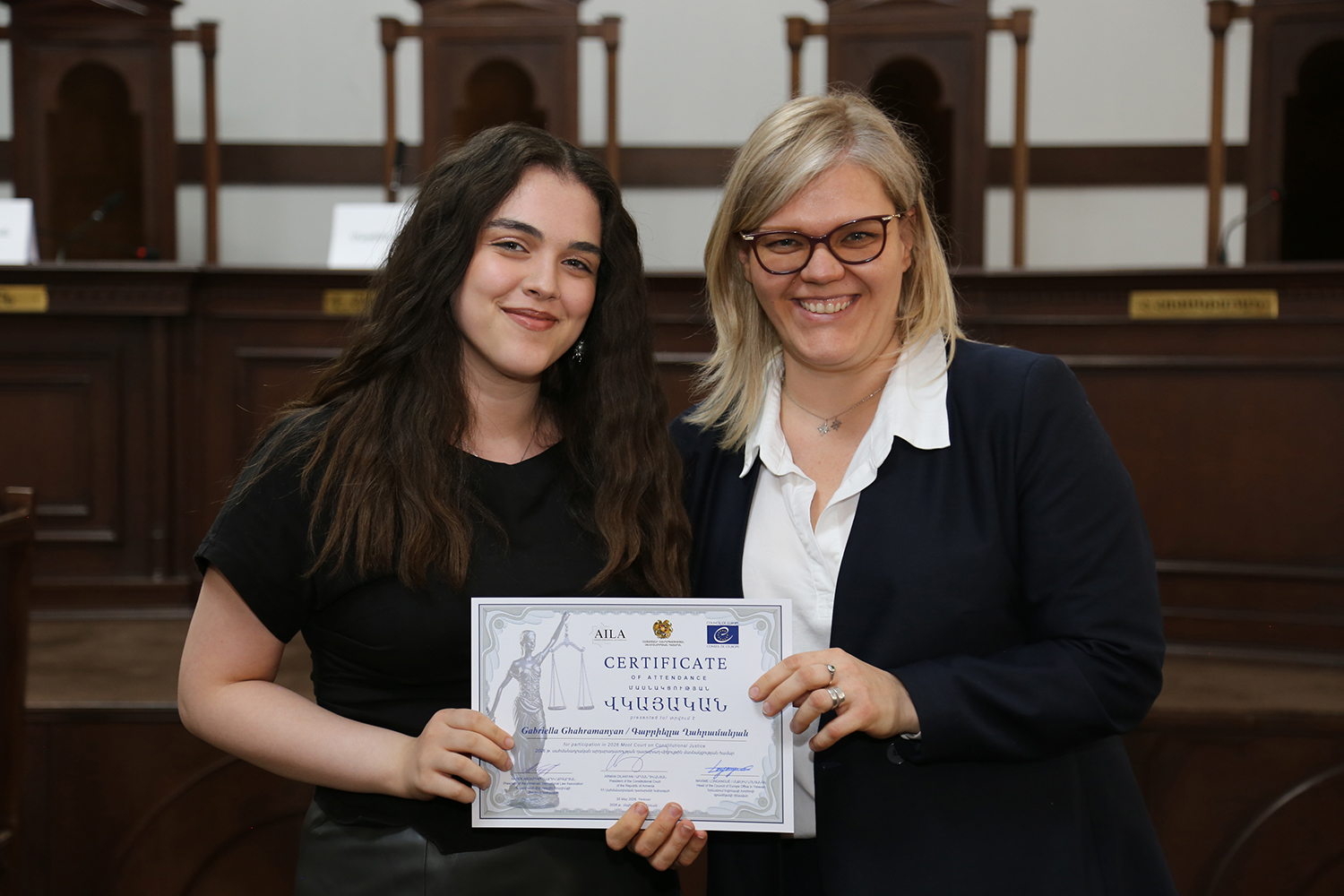
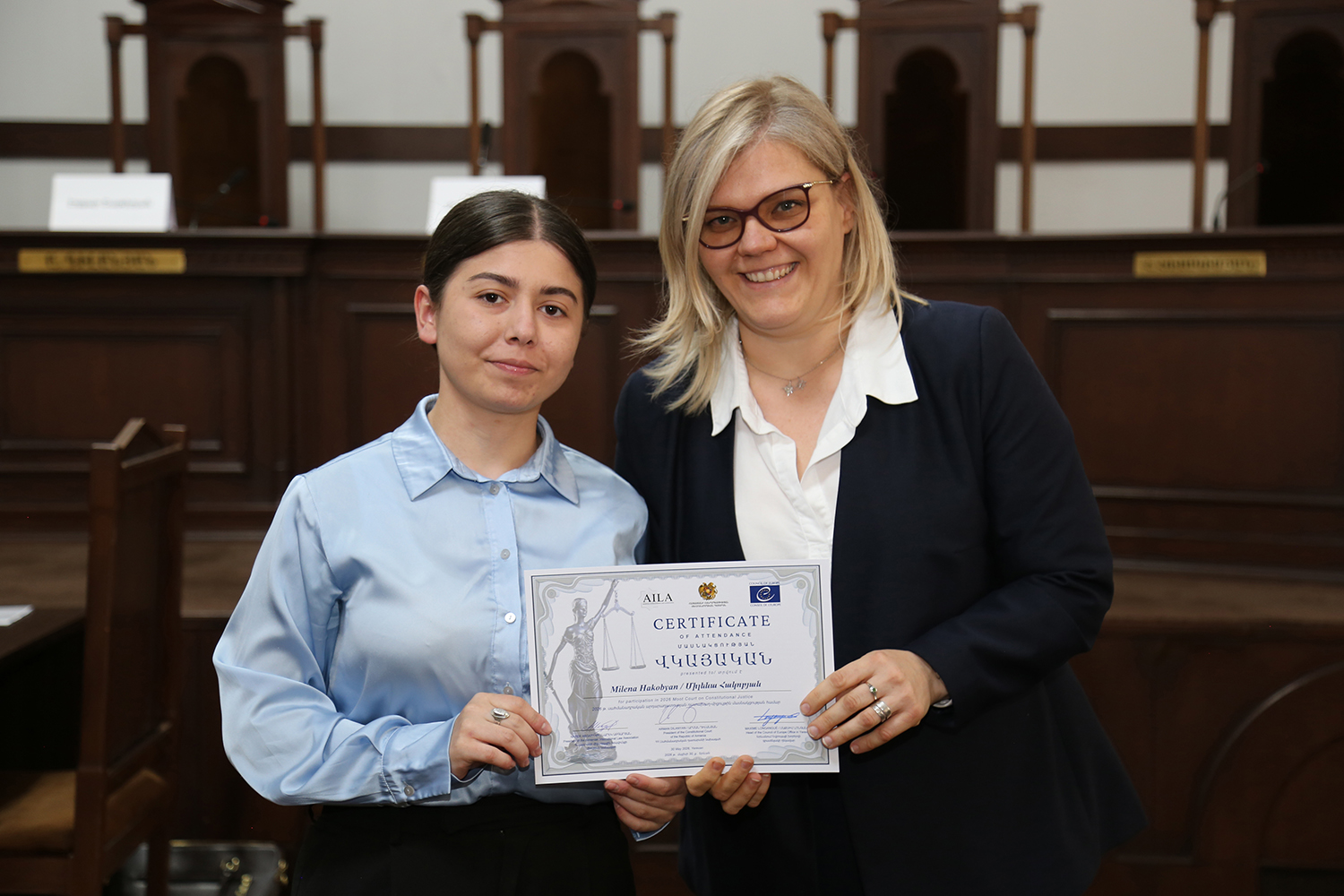
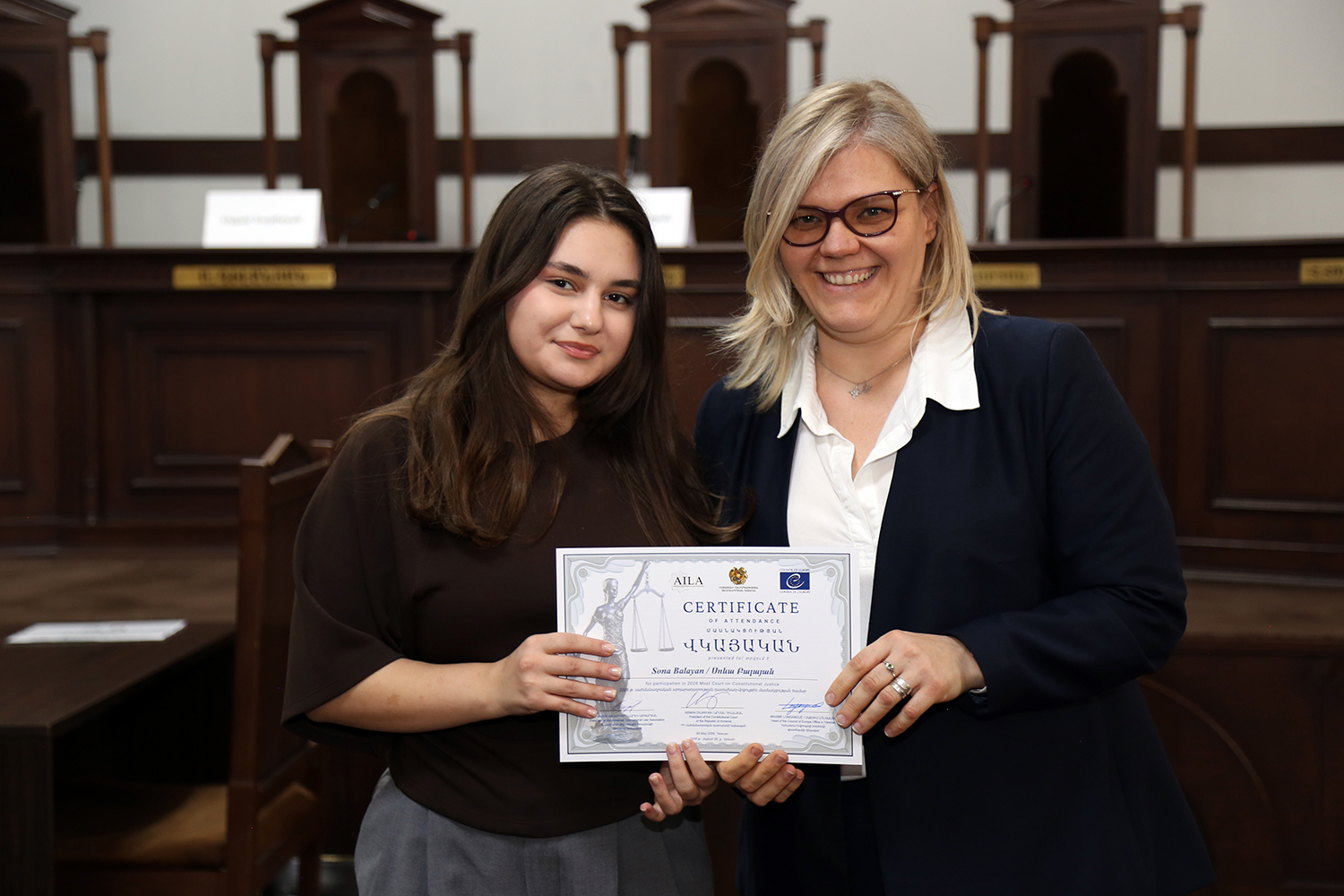
All participants received certificates of participation in recognition of their involvement in the programme and the knowledge and skills they acquired.
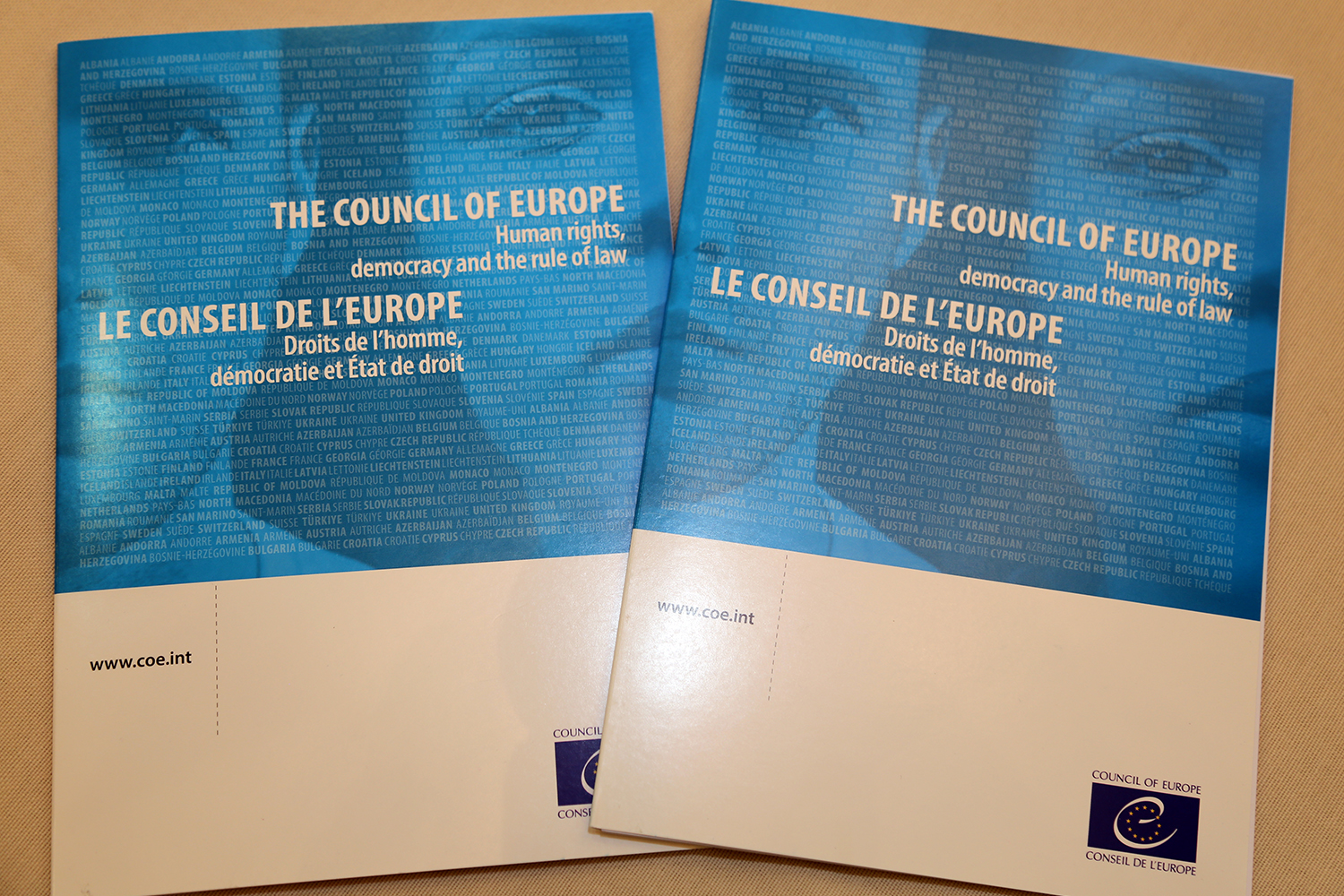
The Moot Court Competition was organized by the Constitutional Court of the Republic of Armenia, the Armenian International Law Association, and the Directorate General Human Rights and Rule of Law (DGI) within the framework of the projects “Support to the Development of Constitutional Justice in Armenia in Line with European Standards” and “Promoting Freedom of Expression, Media and Access to Information in Armenia”, as part of the Council of Europe Action Plan for Armenia 2023–2026.


News
4 August 2026
ELECTRONIC VERSION OF “THE CONSTITUTIONAL COURT OF THE REPUBLIC OF ARMENIA: BULLETIN” MAGAZINE No. 2(123) 2026

8 July 2026
ADVISER TO THE PRESIDENT OF THE CONSTITUTIONAL COURT PARTICIPATED IN THE ANNUAL FORUM OF THE SUPERIOR COURTS NETWORK
4 July 2026
UPDATE
26 June 2026
APPLICATION OF THE "NEW POWER" REFORMIST PARTY
26 June 2026
26 June 2026
APPLICATION OF THE "FOR THE REPUBLIC ALLIANCE OF DEMOCRACY DEFENDERS" PARTY
26 June 2026
APPLICATION OF THE "PROSPEROUS ARMENIA" PARTY
26 June 2026
APPLICATION OF THE "DEMOCRACY LAW DISCIPLINE" PARTY
26 June 2026
APPLICATION OF THE "WINGS OF UNITY" PARTY
26 June 2026
APPLICATION OF THE "STRONG ARMENIA" ALLIANCE OF POLITICAL PARTIES
1 July 2026
SESSION OF THE CONSTITUTIONAL COURT: LIVE

The website of the Constitutional Court of the Republic of Armenia has been created as part of the Partnership for Good Governance (PGG II) Project ''Support to the judicial reform – enhancing the independence and professionalism of the judiciary in Armenia'' co-funded by the European Union and the Council of Europe. The views expressed herein can in no way be taken to reflect the official opinion of either party.

The upgrade of the official website of the Constitutional Court of the Republic of Armenia is made possible by the support of the American People through the United States Agency for International Development (USAID) as a part of the USAID/Armenia Justice Sector Support Project. The content of this website is the sole responsibility of the Constitutional Court and does not necessarily reflect the views of USAID or the United States Government.